How to Fine‑Tune Free Fire Sensitivity and Dominate Easily
Why Sensitivity Matters More Than You Think
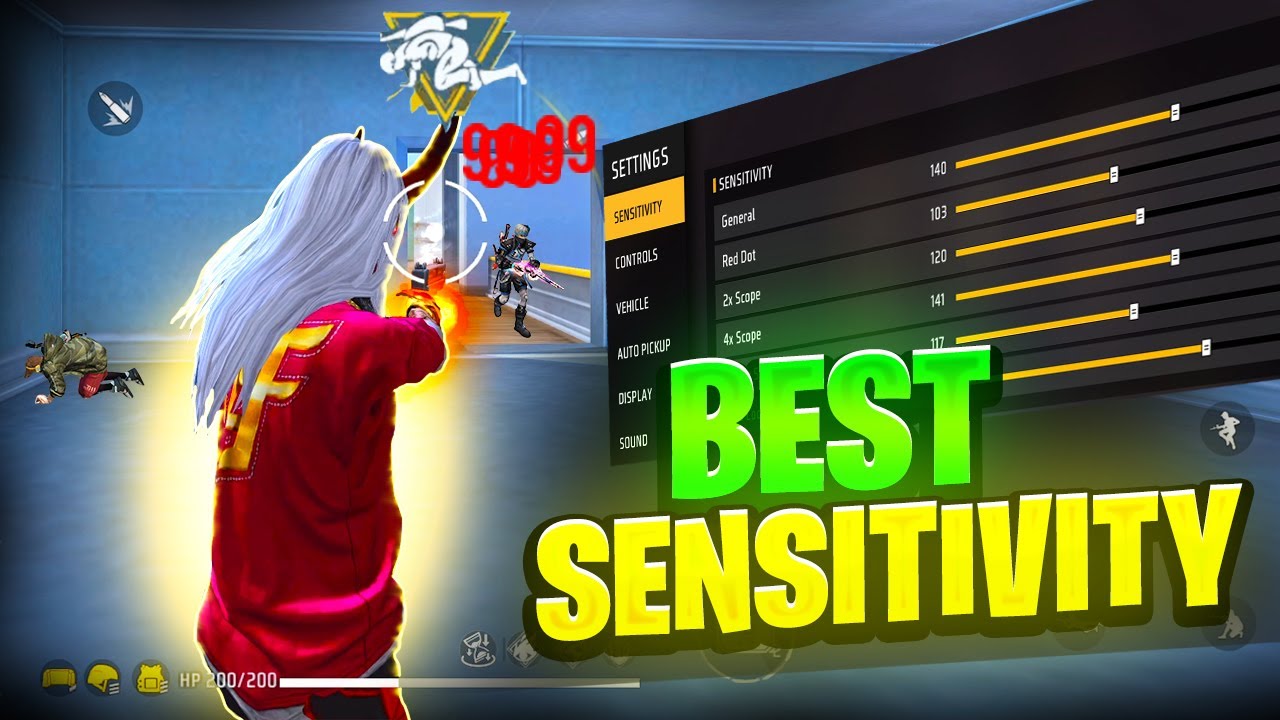
In Free Fire, a player’s reaction time often boils down to how comfortably they can move the crosshair. Too slow, and you miss the perfect shot; too fast, and you overshoot the target. Many beginners think grinding hours will automatically improve aim, but an optimized sensitivity setting can shave precious seconds off every encounter.
Understanding the Different Sensitivity Layers
Free Fire splits sensitivity into several categories:
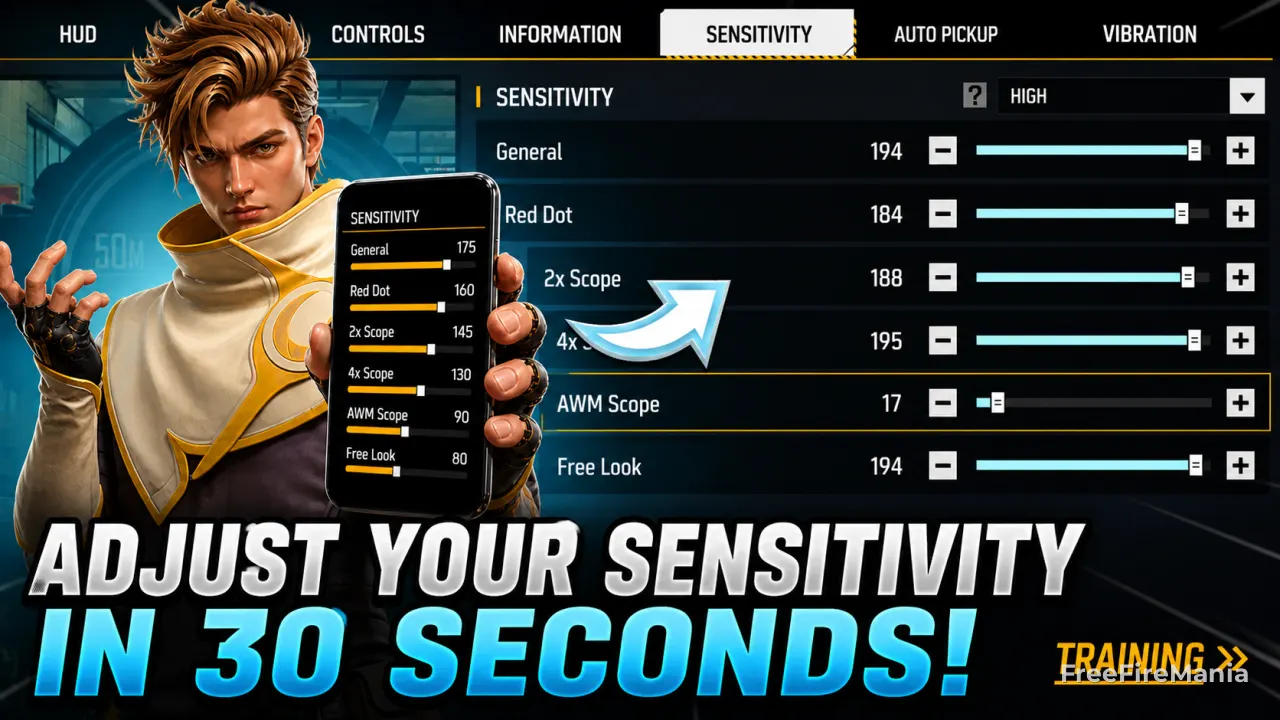
- General Sensitivity – controls overall camera speed.
- Red Dot / Holographic – fine‑tunes aim while using low‑magnification sights.
- 2× Scope – for medium‑range engagements.
- 4× Scope – long‑range sniping.
- Free Look – lets you look around without affecting aim.
Each layer interacts with the others, so tweaking one without considering the rest can feel like playing a different game.
Step‑by‑Step: Setting Up Your Sensitivity
1. Start with a Baseline
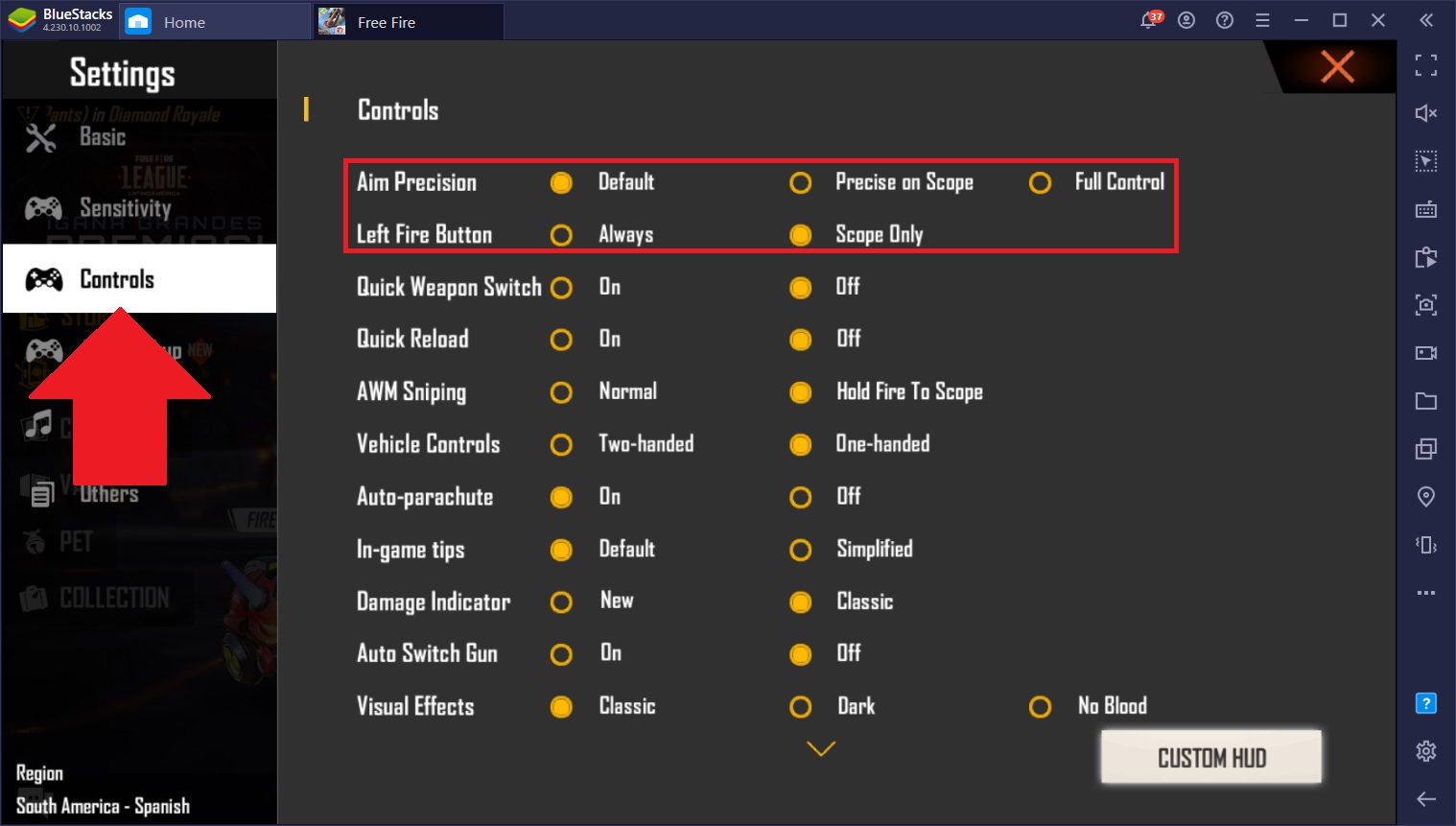
Open the Settings menu, head to the Controls tab, and reset all sensitivity sliders to the default “50”. This gives you a neutral ground to judge any changes.
2. Adjust General Sensitivity
Most players find a slightly lower general sensitivity—around 35 to 40—helps keep the camera steady during firefights. Move the slider in small increments (2‑3 points), then test in a quick match. If you feel the view is sluggish, nudge it up.
3. Tune Sight Sensitivities
For the Red Dot and Holographic, try reducing the setting to 45‑50. These sights are used in close‑quarters, where over‑correction is common. When you switch to a 2× scope, increase the slider to roughly 55‑60; the extra boost compensates for the zoom. The 4× scope often feels most comfortable around 70, but only if you’re confident with long‑range tracking.
4. Refine Free Look
Free Look should be the most relaxed setting—around 20‑30. It lets you peek around corners without jittering your aim. If you notice the view snapping back too quickly, lower it a notch.
5. Test, Tweak, Repeat
After each adjustment, jump into a casual match or the training mode. Aim at stationary targets first, then try moving bots. The goal is a smooth, almost instinctual motion. You’ll likely need 2‑3 rounds of fine‑tuning before the settings feel “right”.
Common Mistakes to Avoid
- Going Extremes: Setting everything to maximum or minimum will cripple accuracy.
- Changing All Sliders at Once: Small, isolated tweaks are easier to evaluate.
- Ignoring Device Differences: A phone with a large screen may need a lower general sensitivity than a compact device.
- Forgetting to Save: Always tap “Apply” before exiting the menu.
Quick Reference: Recommended Ranges
- General: 35‑40
- Red Dot / Holographic: 45‑50
- 2× Scope: 55‑60
- 4× Scope: 65‑75
- Free Look: 20‑30
How These Settings Help You Win Without Endless Grinding
When your sensitivity aligns with your natural hand movement, you react faster, land more headshots, and spend less time adjusting mid‑fight. That means fewer games lost to “stiff” controls and more victories earned by skill—no marathon grinding required.
Final Tips for Ongoing Improvement
Even after you lock in a comfortable setup, stay open to small adjustments as you evolve as a player. New weapons, different playstyles, or even a firmware update can shift how the game feels. Periodically revisit the sliders, and you’ll keep that competitive edge without the grind.