How to Fix Common Fingerprint Sensor Problems on the Samsung Galaxy S20 FE 5G
The Samsung Galaxy S20 FE 5G is praised for its balance of performance and price, yet many owners bump into a frustrating hiccup: the fingerprint sensor sometimes refuses to recognize a thumb or finger. If you’ve noticed delayed unlocks, missed scans, or a sensor that simply won’t work, you’re not alone. Below we dive into the most frequent causes and, more importantly, practical steps you can take to get the sensor back on track.
Why the Sensor Misbehaves
Before troubleshooting, it helps to understand what the sensor actually does. The S20 FE 5G uses an ultrasonic fingerprint reader embedded beneath the display. Unlike optical scanners, it sends sound waves into the skin to create a 3‑D map of ridges. Because of that complexity, a few factors can throw it off.
- Software glitches: A recent app update or a stray setting may interfere with the sensor’s firmware.
- Screen protectors: Thick or poorly attached protectors can dampen the ultrasonic waves.
- Dirty sensor area: Oil, sweat, or dust on the screen surface reduces accuracy.
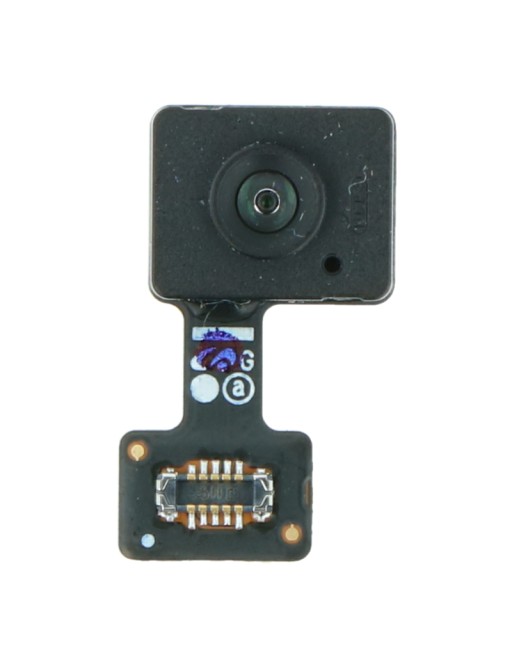
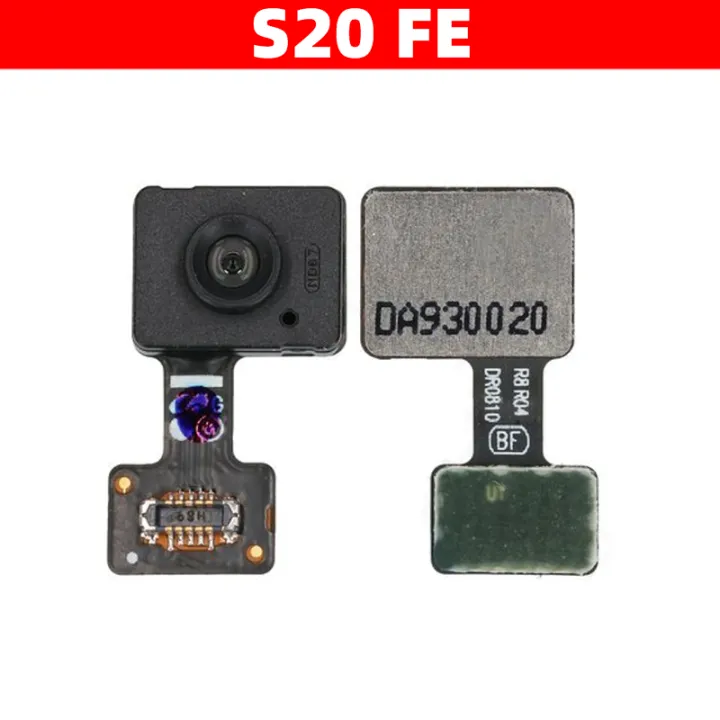
- Hardware wear: Over time, the sensor’s emitter can degrade, especially after drops.
Quick Checks You Can Do Right Now
These steps take less than five minutes and often solve the issue without deeper meddling.
1. Clean the Screen Thoroughly
Grab a lint‑free microfiber cloth, dampen it slightly with water (or a screen‑safe cleaner), and wipe the entire front panel. Pay extra attention to the area where the fingerprint sensor sits. Let the surface dry completely before testing.
2. Remove or Replace the Screen Protector
If you’re using a glass protector thicker than 0.3 mm, consider swapping it for a thinner, high‑quality one that explicitly lists compatibility with ultrasonic sensors. In many cases, simply removing the protector for a test run reveals whether it’s the culprit.
3. Restart the Phone
A quick reboot clears temporary glitches. Hold the power button, tap “Restart,” and wait for the device to cycle back on. Afterward, try registering a new fingerprint.
Re‑Register Your Fingerprint
Even if your old print appears in the settings, the stored data might be corrupted. Deleting and adding a fresh scan often restores reliability.
- Open Settings → Biometrics and security → Fingerprints.
- Enter your PIN/password, then tap the existing fingerprint and choose “Delete.”
- Tap “Add fingerprint” and follow the on‑screen prompts, ensuring your finger is clean and dry.
Software Solutions
If the sensor still acts up after the basics, it’s time to look at software fixes.
Update to the Latest Firmware
Samsung regularly releases patches that address sensor calibration. Go to Settings → Software update → Download and install. Even a small security patch can make a difference.
Clear Cache Partition
Corrupted system cache may interfere with hardware communication.
- Power off the phone.
- Press and hold Volume Up + Power together until the Android logo appears.
- Navigate to “Wipe cache partition” using the volume buttons, confirm with the power button.
- Reboot the device.
Reset App Preferences
Sometimes a third‑party app that requests fingerprint access can cause conflicts. Resetting preferences restores default permissions without deleting your data.
Go to Settings → Apps → tap the three‑dot menu → Reset app preferences.
When Hardware Might Be at Fault
If none of the software routes work, the issue could be physical. Signs of hardware trouble include:
- Persistent failure across multiple fingerprints.
- Intermittent response that improves after a tap or gentle pressure.
- Visible damage to the screen or a recent drop.
In such cases, a professional assessment is advisable. Samsung’s authorized service centers can run diagnostic tests and, if needed, replace the ultrasonic module. Remember that if the phone is still under warranty, repairs may be covered.
Preventive Tips for Longevity
Keeping the sensor healthy is mostly about habit.
- Wash and dry your hands before enrolling new fingerprints.
- Avoid thick, matte screen protectors unless they guarantee ultrasonic compatibility.
- Check for firmware updates at least once a month.
- If you notice the sensor lagging, address it early—don’t wait for a full failure.