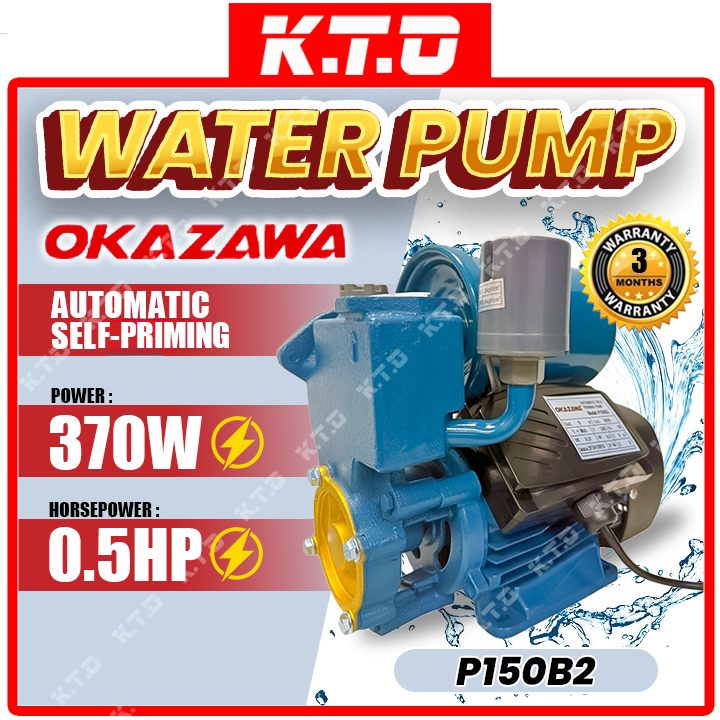
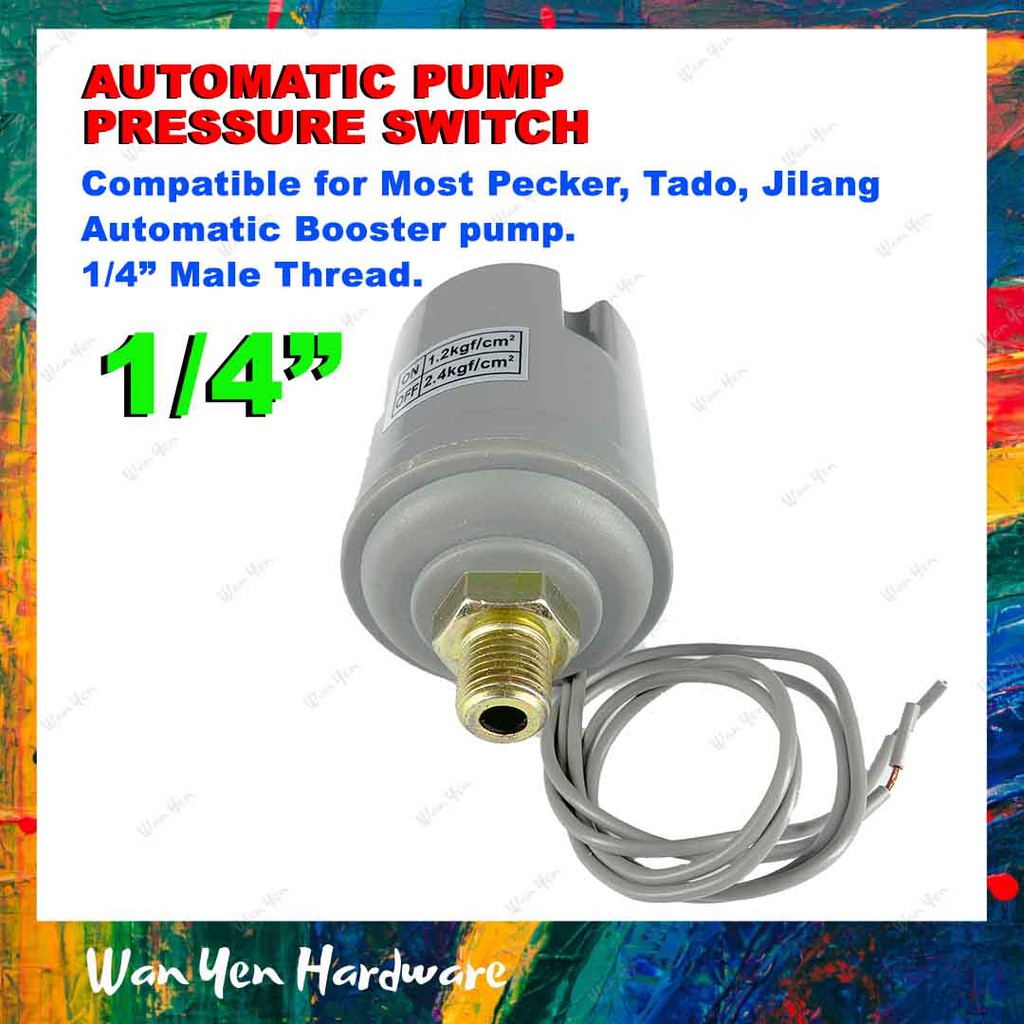
How to Fix Common Okazawa Water Pump Pressure Switch Problems
When a water pump suddenly stops delivering water or runs on and off without reason, the culprit is often the pressure switch. For owners of Okazawa pumps, a malfunctioning switch can feel like a sudden roadblock—especially if the system powers a garden, a well, or a small irrigation setup. Below we’ll walk through the most frequent glitches, why they happen, and practical steps you can take without calling a technician.
Typical Symptoms of a Faulty Pressure Switch
- The pump cycles rapidly, turning on and off every few seconds.
- No water comes out despite the pump humming loudly.
- Pressure gauges stay stuck at a low reading even after the pump runs.
- Unexpected shut‑offs when the tank pressure is still well below the set point.
Spotting even one of these signs usually points to a switch that’s either not sensing pressure correctly or isn’t sending the right signal to the motor.
Root Causes Behind Switch Failures
Electrical Wear and Corrosion
Over time, the contacts inside the switch can oxidize, especially in humid environments. When the metal layers lose conductivity, the switch either stays closed (keeps the pump running) or opens prematurely.
Mechanical Sticking
Okazawa’s switches use a diaphragm that flexes with pressure changes. If debris lodges in the diaphragm chamber, the spring may not return to its neutral position, leaving the switch “stuck.”
Incorrect Settings
Sometimes the issue isn’t a broken part at all—just an improperly adjusted cut‑in or cut‑out pressure. A slight mis‑dial can cause the pump to chase a pressure it can’t reach.
Step‑by‑Step Troubleshooting Guide
- Turn off power. Safety first: disconnect the pump’s breaker before you start pulling wires.
- Inspect the wiring. Look for loose terminals or corroded connectors. Tighten anything that feels wiggle‑y.
- Check the pressure gauge. If the gauge reads inaccurately, the problem may be upstream of the switch, not the switch itself.
- Test the switch manually. With the power still off, use a multimeter to verify continuity at the “on” and “off” positions. No change? The switch is likely dead.
- Clean the diaphragm. Remove the cover, gently brush away any sediment, and re‑assemble. A quick vacuum can also clear hidden particles.
- Adjust the settings. Using the calibration knob, set the cut‑in pressure about 5 psi below the desired operating pressure and the cut‑out about 10 psi above.
- Restore power and observe. Watch the pump run through a full cycle. If it still hiccups, consider replacing the switch with an OEM Okazawa part.
Preventive Maintenance Tips
- Schedule a visual inspection of the switch every six months.
- Keep the pump enclosure dry; moisture accelerates corrosion.
- Use a filter on the suction line to trap debris before it reaches the diaphragm.
- Record the pressure settings after each adjustment—helps spot drift over time.
- Carry a spare Okazawa pressure switch; swapping a faulty unit is often quicker than waiting for a shipment.
By staying attentive to these clues and giving the switch a quick once‑over before trouble escalates, most homeowners can keep their Okazawa pump humming smoothly. And if the switch finally gives out, you now know exactly which part to replace and how to reinstall it without a hassle.