How to Get a Malaysia Single‑Entry Visa: Costs & Steps
Planning a short trip to Kuala Lumpur, Penang or the islands beyond? Most travelers will need a single‑entry visa, and figuring out the exact fee and paperwork can feel a bit like decoding a puzzle. The good news is the process is fairly straightforward once you know the moving parts. Below you’ll find a step‑by‑step guide, a breakdown of the typical costs, and a few practical tips to keep things smooth.
Who Needs a Single‑Entry Visa?
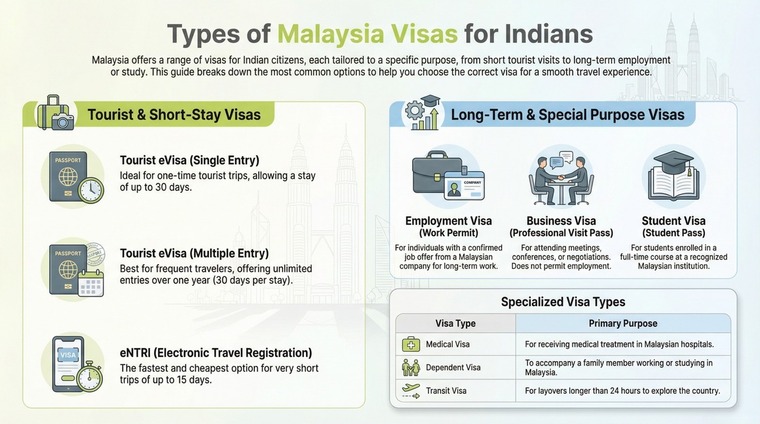
If you’re a citizen of a country that doesn’t enjoy visa‑free entry to Malaysia, the single‑entry visa is your ticket for a stay of up to 30 days (sometimes 90, depending on your nationality). It’s also the right choice when you plan to leave Malaysia before returning home—unlike a multiple‑entry visa, which allows several comings and goings within the validity period.
- Tourists on a brief vacation
- Business travelers attending a conference or meeting
- Students on a short‑term language course
Residents of Singapore, Brunei and several Gulf states can usually skip the visa altogether, but double‑check the latest list before you pack.
Typical Fee Structure
The headline number you’ll see advertised is RM 150 (roughly USD 33) for most nationalities. However, a few variations exist:
- Standard processing fee: RM 150 for a single‑entry visa valid for 30 days.
- Extended stay (up to 90 days): Some embassies charge an additional RM 50.
- Express service: If you need the visa within 2–3 business days, expect a surcharge of about RM 100.
- Agency fee: Using a visa‑processing service adds another RM 70–120, depending on the provider.
These amounts are subject to change, so it’s wise to confirm the latest rates on the official Malaysian Immigration website or with the nearest consulate.
Gathering the Required Documents
Missing a single item can send your application back to square one, so keep this checklist handy:
- Valid passport (at least six months beyond the intended departure date).
- Completed visa application form – usually downloadable as a PDF.
- Two recent passport‑size photos with a white background.
- Proof of onward travel – a confirmed flight ticket out of Malaysia.
- Bank statement or proof of sufficient funds (often a minimum of RM 1,000 per week).
- Hotel reservation or a letter of invitation from a Malaysian host.
- If employed: a letter from your employer stating your position, salary, and approved leave.
For business visitors, a copy of the invitation letter from the Malaysian company, together with a business registration certificate, may be required.
How to Submit Your Application
There are three common routes, each with its own timeline:
1. In‑Person at a Malaysian Embassy or Consulate
Drop your dossier at the visa section, pay the fee in cash or by bank draft, and wait for the receipt. Most missions process applications within 3–5 working days. You’ll need to return in person to collect the passport, unless the embassy offers a courier option.
2. Through an Authorized Visa Agency
Agencies handle paperwork, fee payment and follow‑up on your behalf. They’re especially handy if you’re applying from a country without a Malaysian diplomatic mission. Turnaround time is similar, but you’ll pay the agency’s service charge on top of the official fee.
3. Online E‑Visa (Limited to Certain Nationalities)
A handful of countries qualify for the e‑visa portal. The steps are essentially the same—upload scanned documents, pay digitally, and receive a PDF visa that you print and attach to your passport. Processing can be as quick as 24 hours, but availability changes, so verify eligibility first.
Understanding Processing Times and Delays
Two factors most often cause hiccups:
- Incomplete documents: A missing signature or an illegible photo sends the file back for correction.
- Peak travel seasons: Around Chinese New Year, Ramadan and European summer holidays, consulates see a surge in applications, stretching the usual 3‑day window to a week or more.
If you’re on a tight schedule, consider the express service or submit your paperwork a week early.
What Happens After You Get the Visa?
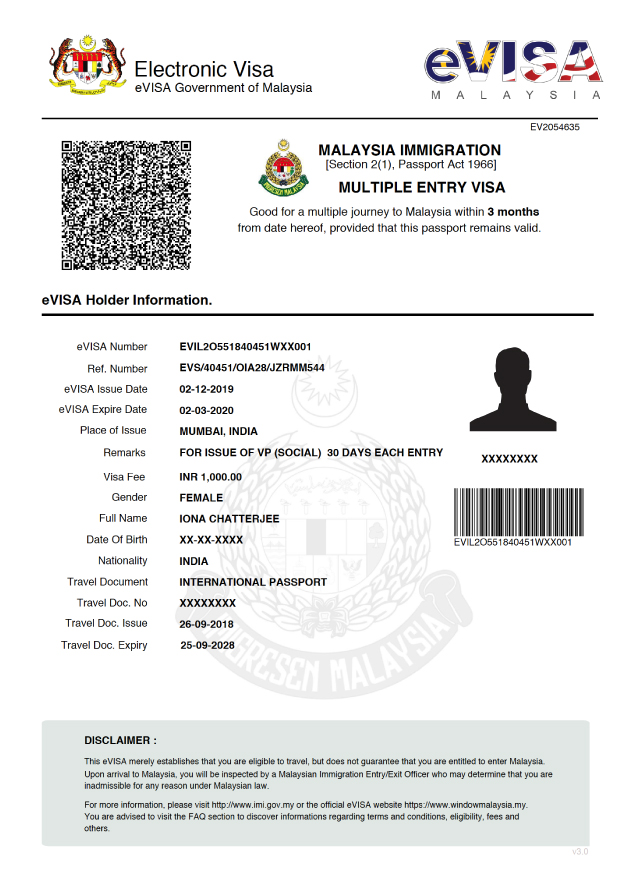
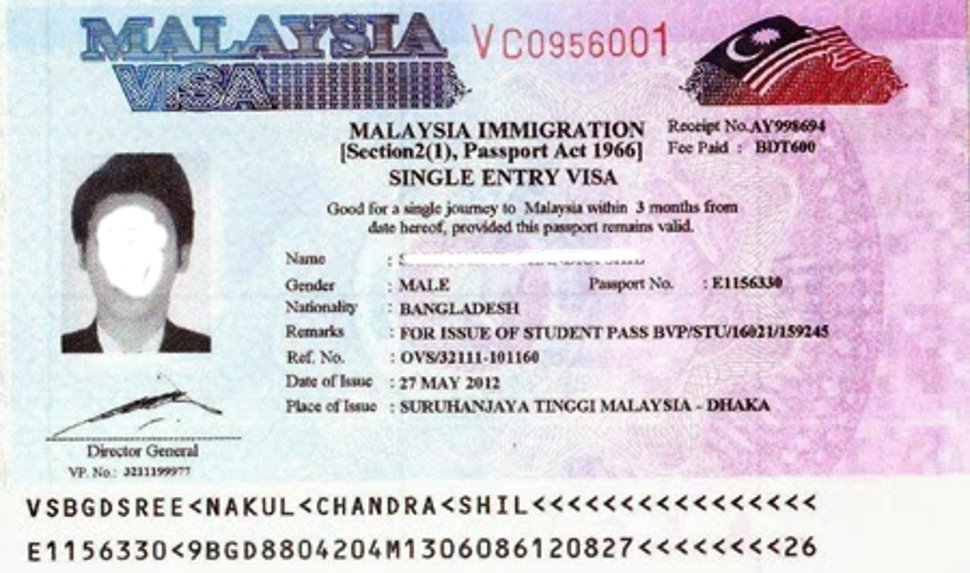
When you receive the visa vignette in your passport, double‑check the entry and expiry dates. The single‑entry visa allows you to cross the border only once; any attempt to re‑enter after leaving will be denied, even if the visa’s validity period hasn’t ended.
Upon arrival, immigration officers will stamp your passport with the actual stay period—usually 30 days. Extensions are possible, but you’ll need to apply at the Immigration Department in Malaysia before the current stay expires, and you’ll pay an additional fee (approximately RM 200).
Common Pitfalls to Avoid
- Using the same passport photo for multiple visas—some officers spot reused images and ask for a fresh shot.
- Leaving the “purpose of visit” field vague; specify “tourism” or “business conference” to match your supporting documents.
- Assuming the visa fee is non‑refundable—if your application is rejected due to inaccurate information, the consular fee is still retained.
Quick Reference Table
- Standard fee: RM 150
- Extended stay (up to 90 days): +RM 50
- Express processing: +RM 100
- Typical processing time: 3–5 business days (regular), 2–3 days (express)
- Validity of visa: Single entry, up to 30 days (unless extended)
Final Tips for a Smooth Experience
First, start early. Even if the official window is short, embassy backlogs can pop up without warning. Second, keep digital copies of every document you submit; they’ll come in handy if you need to resend something. Lastly, be polite and patient at the immigration counter—a friendly demeanor often smooths over minor hiccups.
With the right paperwork, the correct fee, and a bit of planning, securing a Malaysia single‑entry visa is a routine step rather than a roadblock. Pack that suitcase, check the weather, and get ready to explore the blend of modern cityscape and tropical charm that Malaysia has to offer.