How to Give Your 3‑Year‑Old a Fun Start in YMCA Basketball
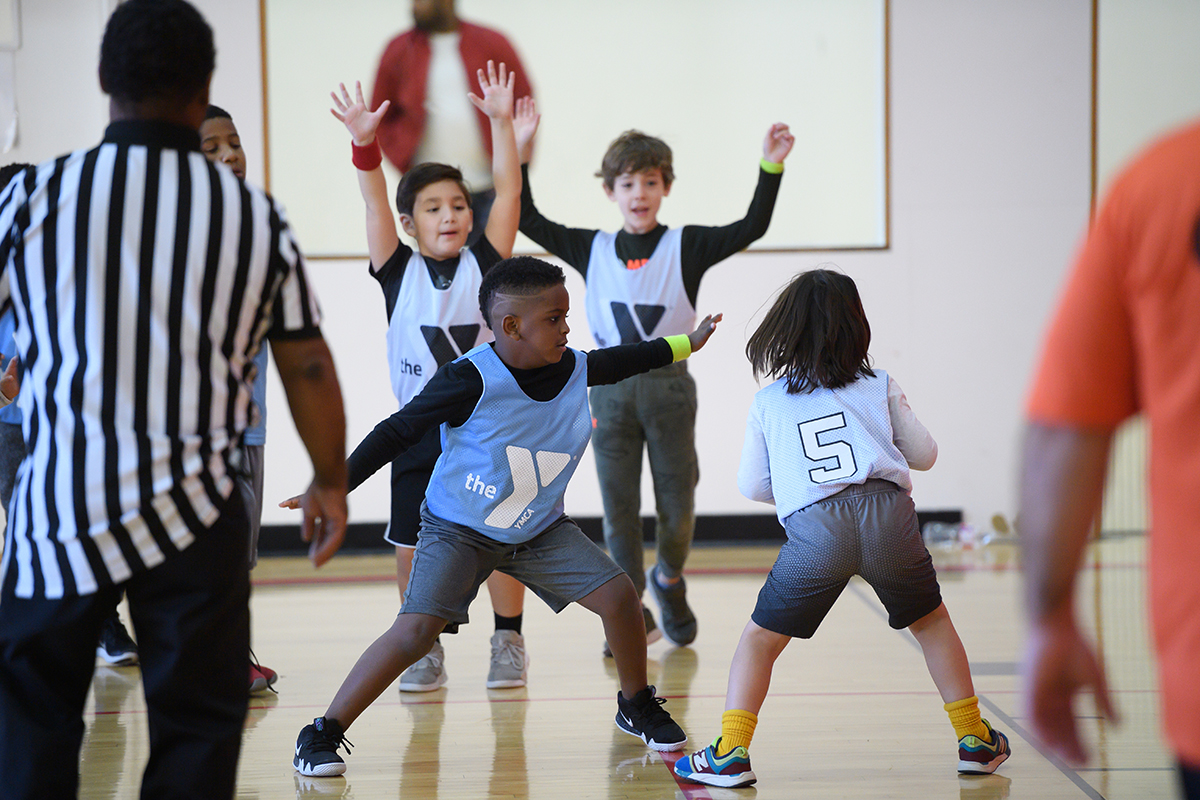
When you hear “basketball” you probably picture soaring dunks and roaring crowds. For a three‑year‑old, though, the game is more about tiny hands, giggles, and a gentle introduction to teamwork. The YMCA’s pre‑K program is designed exactly for that moment—when curiosity meets a friendly ball and a safe, supportive environment.
What Makes the YMCA Program Different?
Unlike a competitive league that expects polished skills, the YMCA’s Little Hoops class focuses on play‑based learning. Coaches are specially trained to handle the short attention spans and boundless energy of preschoolers. The curriculum blends basic motor skills with social interaction, all while keeping the atmosphere light and encouraging.
Key Elements of the Sessions
- Mini‑drills, not drills: Activities last no longer than five minutes, so kids stay engaged without getting frustrated.
- Inclusive language: Coaches use simple cues like “grab the ball” and “share the space,” reinforcing positive communication.
- Safety first: Soft foam balls, low‑height hoops, and non‑slip floors reduce risk and boost confidence.
- Parent Participation: Parents are invited to join the warm‑up circle, turning the class into a family‑friendly outing.
Preparing Your Child for the First Day
Even though the session is designed for toddlers, a little prep can smooth the transition. Here are some low‑pressure steps you can try at home:
- Play “catch” with a soft ball in the living room—focus on catching, not scoring.
- Introduce basic colors and numbers using basketball-themed flashcards.
- Watch a short, age‑appropriate basketball video together; keep it under three minutes.
- Let your child pick out a comfortable t‑shirt and shorts—personal choice adds excitement.
What Parents Can Expect During a Typical Class
Each 45‑minute session usually follows a loose structure, though coaches will adapt based on the group's mood. A typical flow looks like this:
- Welcome Circle (5 min): Kids introduce themselves, maybe share a favorite color.
- Warm‑up Games (10 min): Simple movements like “Simon Says” with basketball gestures.
- Skill Stations (15 min): Rotating mini‑activities—dribbling with a small ball, aiming at a lowered hoop, or passing to a partner.
- Mini‑Game (10 min): A tiny scrimmage where the emphasis is on cheering teammates.
- Cool‑down & Wrap‑up (5 min): Light stretching, a high‑five, and a take‑home sticker.
Notice the emphasis on “cheering” rather than “winning.” The goal is to foster a love for movement, not a fear of competition.
Benefits Beyond the Court
While the obvious skill is handling a ball, the ripple effects reach deeper. At this age, children are developing:
- Fine motor coordination: Gripping and releasing the ball improve hand‑eye sync.
- Social awareness: Taking turns and responding to peers' actions lay groundwork for empathy.
- Self‑regulation: Following simple instructions helps build focus.
- Physical health: Regular activity supports healthy growth and energy balance.
Choosing the Right YMCA Location
Not every YMCA offers the same setup. When scouting a facility, consider these quick checkpoints:
- Is there a dedicated preschool area with foam flooring?
- Do coaches display certifications for early childhood instruction?
- What is the parent‑to‑coach ratio? A lower ratio usually means more individualized attention.
- Are there flexible class times that fit your family’s schedule?
Calling ahead and asking these questions rarely takes more than a minute, yet it can make the difference between a rushed experience and a relaxed, joyful session.
Common Concerns Parents Voice
It’s natural to wonder whether a three‑year‑old can actually “play basketball.” The short answer: they can certainly enjoy it. Here are a few myths debunked:
- Myth: Kids must already know how to dribble.
Reality: Dribbling is introduced as a fun “bouncy” exercise, not a technical skill. - Myth: The class is too intense for toddlers.
Reality: Sessions are paced to match preschool stamina, with plenty of breaks. - Myth: My child will feel pressured to win.
Reality: Coaches reward effort, cooperation, and smiling—no scoreboards involved.
Making the Most of the Experience
After a few weeks, you may notice your child’s confidence blooming. To keep the momentum going, try these simple follow‑ups:
- Set up a “home hoop” with a low, adjustable basket in the backyard.
- Invite a classmate over for an “outside playdate” where they can practice passing together.
- Celebrate milestones—like the first time they catch the ball—by adding a tiny badge to their fridge.
Remember, the aim isn’t to sculpt a future NBA star; it’s to give a little one a positive, active start that could spark a lifelong love for movement.