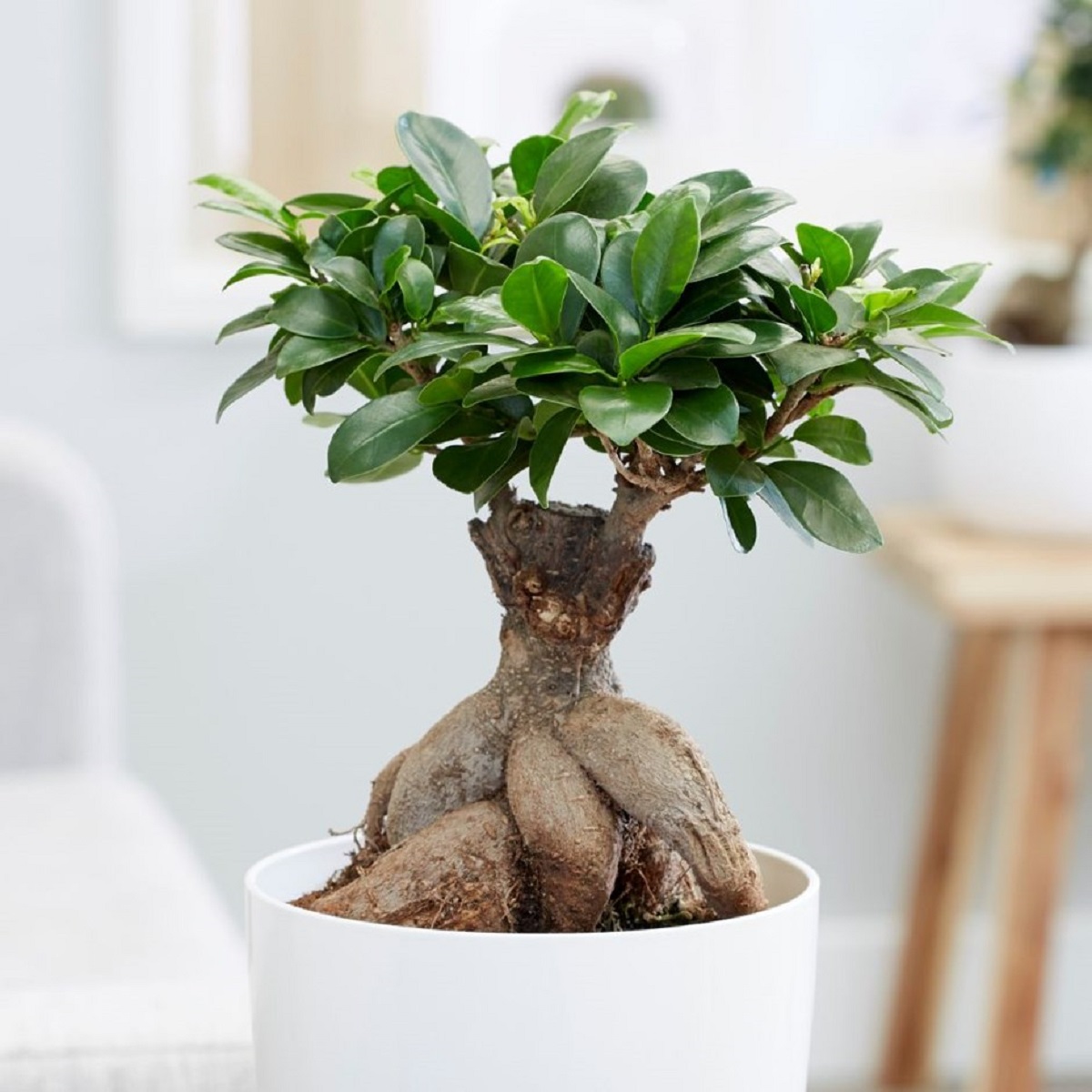
How to Grow Ficus Microcarpa: A Complete Care Guide
Seen the glossy, Ficus microcarpa towering in a friend's living room or lining the boulevard? It’s not just a decorative piece; it’s a surprisingly resilient houseplant that can thrive with the right basics. Below you’ll find a down‑to‑earth walkthrough—no jargon, just the stuff that matters when you’re nurturing this tropical favorite.
Pick the Right Specimen
When you first walk into a nursery, the foliage can be overwhelming. For a healthy start, look for a plant with:
- Firm, dark green leaves free of brown spots.
- A sturdy trunk that isn’t overly woody for its size.
If you’re buying online, ask the seller for close‑up photos of the leaf undersides—those tiny hairs can signal a healthy specimen.
Light: Bright, Indirect Is Best
Ficus microcarpa loves the sun, but direct midday rays can scorch its leaves. Place it near a north‑ or east‑facing window, or a few feet away from a south‑facing pane with sheer curtains. In bright, indirect light, you’ll notice a subtle sheen on the foliage—an indicator it’s comfortable.
What Happens If Light Is Too Low?
The plant will stretch, producing long, weak branches and smaller leaves. It’s not fatal, but a leggy ficus looks less polished and is more prone to breakage.
Watering—Finding the Sweet Spot
Over‑watering is the most common mistake. The rule of thumb is to let the top inch of soil dry before you water again.
- Summer months: Water every 5‑7 days, depending on humidity.
- Winter: Reduce frequency to about once a week or even less.
- Use lukewarm water and let it run through the pot until it drains.
Tip: Place a small tray under the pot to catch excess moisture—just empty it after a few hours to avoid root rot.
Soil, Pot, and Repotting
These ficus trees prefer a well‑draining mix. A good blend is:
- 2 parts peat moss or coconut coir
- 1 part perlite or pumice
- 1 part coarse sand
Choose a pot with drainage holes; plastic containers hold moisture longer, while terracotta breathes better. Repot every 2‑3 years in early spring, when new growth spurs the plant to expand its root system.
Pruning & Shaping: Keeping It Tidy
Pruning isn’t just aesthetic; it encourages a bushier habit and removes any damaged wood.
- Snip back long shoots with clean, sharp scissors.
- Trim to keep the height manageable—most indoor growers aim for 4‑6 feet.
- Step back often; you’ll be surprised how a few cuts can shape a more balanced canopy.
Don’t be afraid to remove a whole branch if it looks diseased—better to lose a limb than let an infection spread.
Dealing With Pests and Common Problems
Even a hardy ficus isn’t immune to unwelcome visitors.
- Spider mites: Look for fine webbing on the underside of leaves. A gentle spray of water followed by neem oil works well.
- Scale insects: Small brown bumps. Use a cotton swab dipped in rubbing alcohol to dislodge them.
- Root rot: Yellowing leaves and soggy soil are tell‑tale signs. Repot in fresh, dry mix immediately.
When in doubt, isolate the plant for a week before treating—this prevents spreading anything to your other greens.
Indoor vs. Outdoor Placement
In temperate zones, Ficus microcarpa can sit outdoors during summer if protected from harsh wind. When transitioning back inside, give it a few days in a shady spot to acclimate. Indoors, keep it away from cold drafts and heating vents; sudden temperature swings stress the foliage.
Seasonal Care Checklist
Spring
- Repot if needed.
- Begin a balanced, slow‑release fertilizer (once a month).
- Increase watering as new shoots appear.
Summer
- Move to brightest spot possible without direct noon sun.
- Watch humidity; mist leaves lightly if the air feels dry.
Fall
- Reduce fertilizing frequency.
- Gradually lower water volume as growth slows.
Winter
- Keep temperature above 50 °F (10 °C).
- Water sparingly—overwatering is the biggest winter pitfall.
Propagation Made Simple
Rooting cuttings is a rewarding way to expand your collection. Follow these steps:
- Snip a 6‑inch healthy stem just below a node.
- Remove the lower leaves, leaving two or three at the tip.
- Dip the cut end in rooting hormone (optional but helpful).
- Place in a moist potting mix, cover with a clear plastic bag to retain humidity.
- Keep in bright, indirect light. Roots usually appear in 2‑4 weeks.
Once new roots are visible, treat the cutting like a mature plant—gradual watering and a balanced fertilizer after a month.
Quick FAQ
Can I grow Ficus microcarpa in low‑light apartments? It will survive, but expect slower growth and leggier stems.
What’s the ideal temperature range? 60‑85 °F (15‑29 °C) works best; avoid sudden drops below 50 °F.
Do I need to prune for fruit production? This species rarely fruits indoors, so pruning is purely for shape and health.
With a bit of attention to light, water, and occasional pruning, your Ficus microcarpa can become a striking focal point for years to come. Happy growing!