How to Identify and Stay Safe Around the Red‑Bellied Black Snake
Ever spotted a sleek, dark serpent gliding through a garden and wondered whether it’s a threat or simply a shy resident? The red‑belly black snake (Pseudechis porphyriacus) is one of Australia’s most recognizable yet often misunderstood reptiles. Below we break down what makes this species unique, how to recognize it, and the practical steps you can take if you encounter one.
What Sets the Red‑Belly Black Snake Apart?
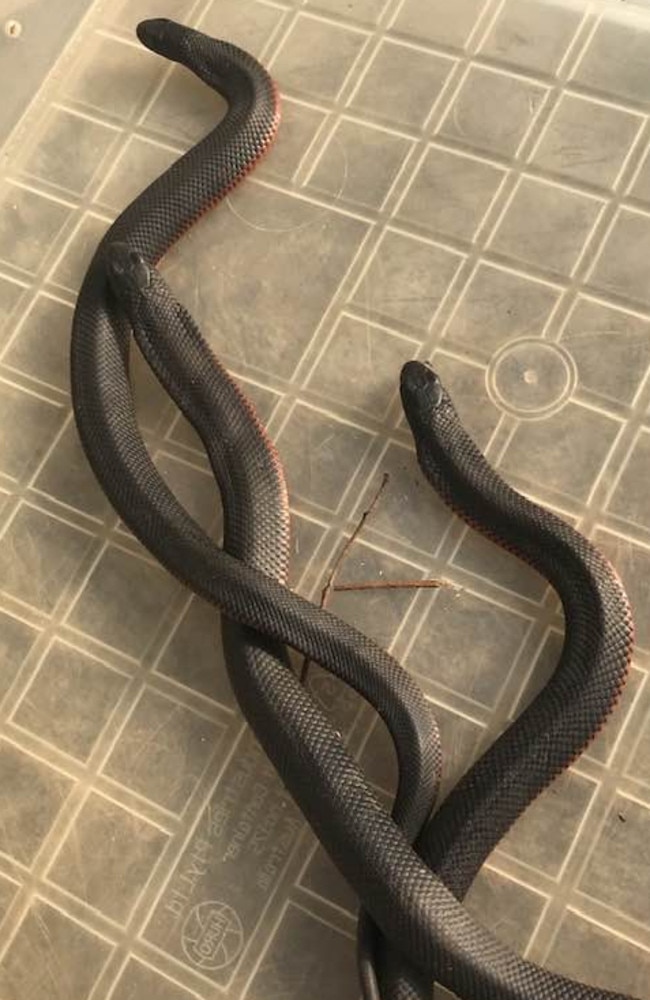
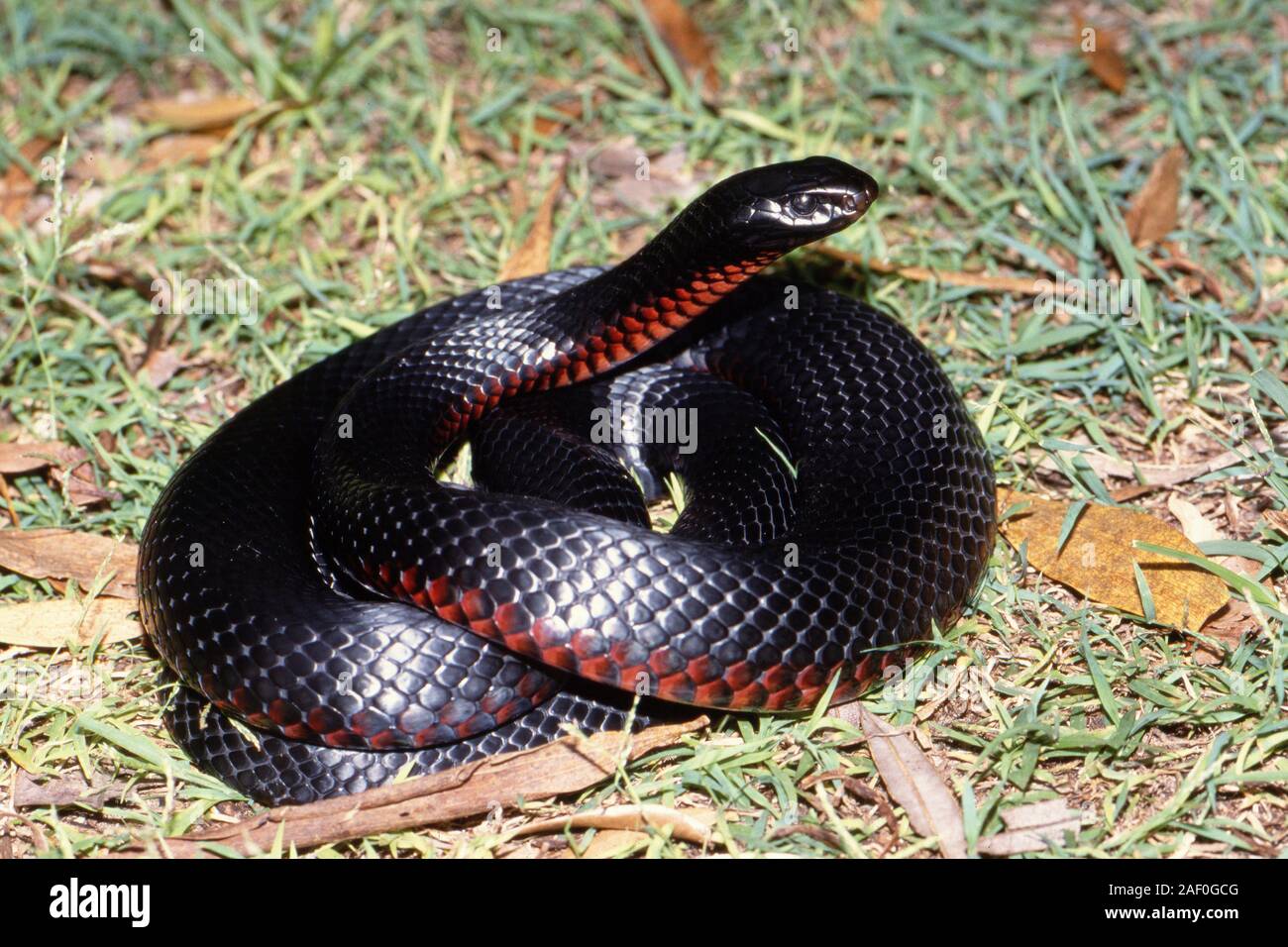
At first glance, the name says it all: a glossy black dorsum paired with a striking scarlet or pinkish ventral side. But beyond its bold coloration, several traits help differentiate it from other native snakes.
- Size: Adults typically range from 1.2 to 1.8 metres, though some can exceed 2 metres.
- Habitat: Prefers moist environments—rain‑forests, wet sclerophyll woodlands, and even suburban gardens near water sources.
- Behavior: Mostly nocturnal; it hunts on the ground but is comfortable climbing low branches or fence posts.
- Diet: A true opportunist, feeding on frogs, lizards, small mammals, and occasionally other snakes.
Spotting the Snake: Key Identification Marks
When you’re out walking at dusk, a few visual cues can confirm you’re looking at a red‑belly black snake rather than a harmless garden variety.
Head and Body Shape
The head is slightly broader than the neck, giving a subtle “triangular” impression. The body is robust, not slender like many elapid relatives.
Colour Contrast
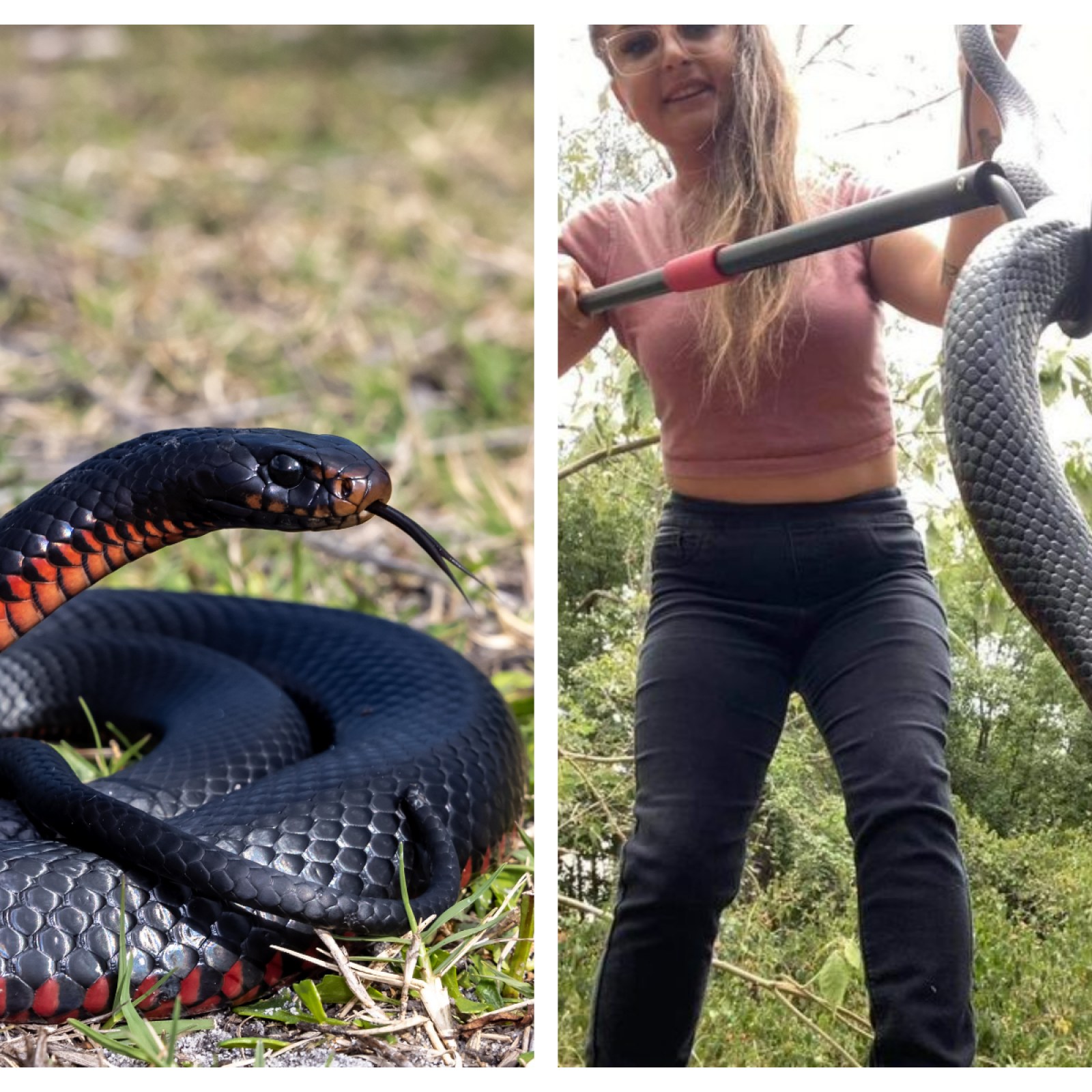
From a distance the snake appears uniformly black, but a quick glance underneath reveals a vivid crimson belly—often visible when the snake lifts its tail or coils.
Scale Pattern
Scale rows are smooth and glossy, with a faint, almost invisible line of lighter scales running down the back in older individuals. This line can help distinguish it from the similar-looking red‑tailed black snake, which has a much fainter ventral colour.
Is the Red‑Belly Black Snake Dangerous?
Yes, it belongs to the elapid family, which includes some of the world’s most venomous snakes. However, the risk to humans is often overstated. Bites are relatively rare, and the venom is generally less potent than that of the inland taipan or eastern brown snake.
When a bite does occur, symptoms may include:
- Localized pain and swelling
- Numbness or tingling around the bite site
- Occasional mild systemic effects such as nausea
Prompt medical attention is still advisable, as individual reactions can vary.
Practical Tips for Coexisting Safely
Even if you’re a seasoned gardener, these simple habits can reduce unwanted encounters.
- Keep the ground tidy: Remove long piles of leaf litter, stones, and wood where snakes might hide.
- Control water sources: Stagnant water attracts frogs, which in turn draw snakes. Use proper drainage.
- Wear protective footwear: Thick boots and long trousers provide a physical barrier if you step near a snake.
- Stay aware at night: Turn on garden lights or use a flashlight when moving around after dark.
What To Do If You Encounter One
First, stay calm. Sudden movements can trigger a defensive response.
- Back away slowly: Give the snake space to retreat.
- Do not attempt to handle: Even experienced handlers can be bitten if the snake feels threatened.
- Call a professional: Local wildlife rescue services can relocate the animal safely.
If a bite does happen, follow these steps:
- Call emergency services immediately.
- Keep the victim still; movement can accelerate venom absorption.
- Apply a pressure‑immobilisation bandage if trained to do so.
- Do not cut the wound or attempt suction; these methods are ineffective and can cause additional harm.
Conservation Status and Why It Matters
The red‑belly black snake is currently listed as “Least Concern” on the IUCN Red List, thanks to its adaptable nature and broad distribution along eastern Australia. Nonetheless, habitat loss due to urban expansion and pesticide use poses localized threats.
Protecting this species isn’t just about preserving a striking reptile; it also means safeguarding the ecological balance. As a predator of rodents and amphibians, the snake helps control populations that could otherwise become pests.
Fun Facts You Might Not Know
- Despite its intimidating reputation, the snake often tolerates human presence and may even bask near garden lights.
- Its venom contains neurotoxins that are specially adapted to immobilise amphibian prey, explaining its fondness for frogs.
- Red‑bellied black snakes have been observed using a “tail‑wiggle” display to warn off potential threats—a behaviour that can look like a gentle dance.
Whether you’re a curious homeowner, a budding herpetologist, or simply someone who enjoys a walk after sunset, knowing the basics about the red‑belly black snake can turn a potentially stressful encounter into a respectful observation. Remember: keep your distance, respect its role in the ecosystem, and you’ll share the garden peacefully.