How to Identify Pseudoscience in Modern News Reports
Every morning the headlines roar with breakthroughs, miracle cures, and bold predictions. Some of them are solid journalism, but a surprising number drift into the realm of pseudoscience, where claims sound scientific but lack real evidence. Knowing how to separate the wheat from the chaff can save you from misinformation, unnecessary worry, and even financial loss.
What Makes a Story Pseudoscientific?
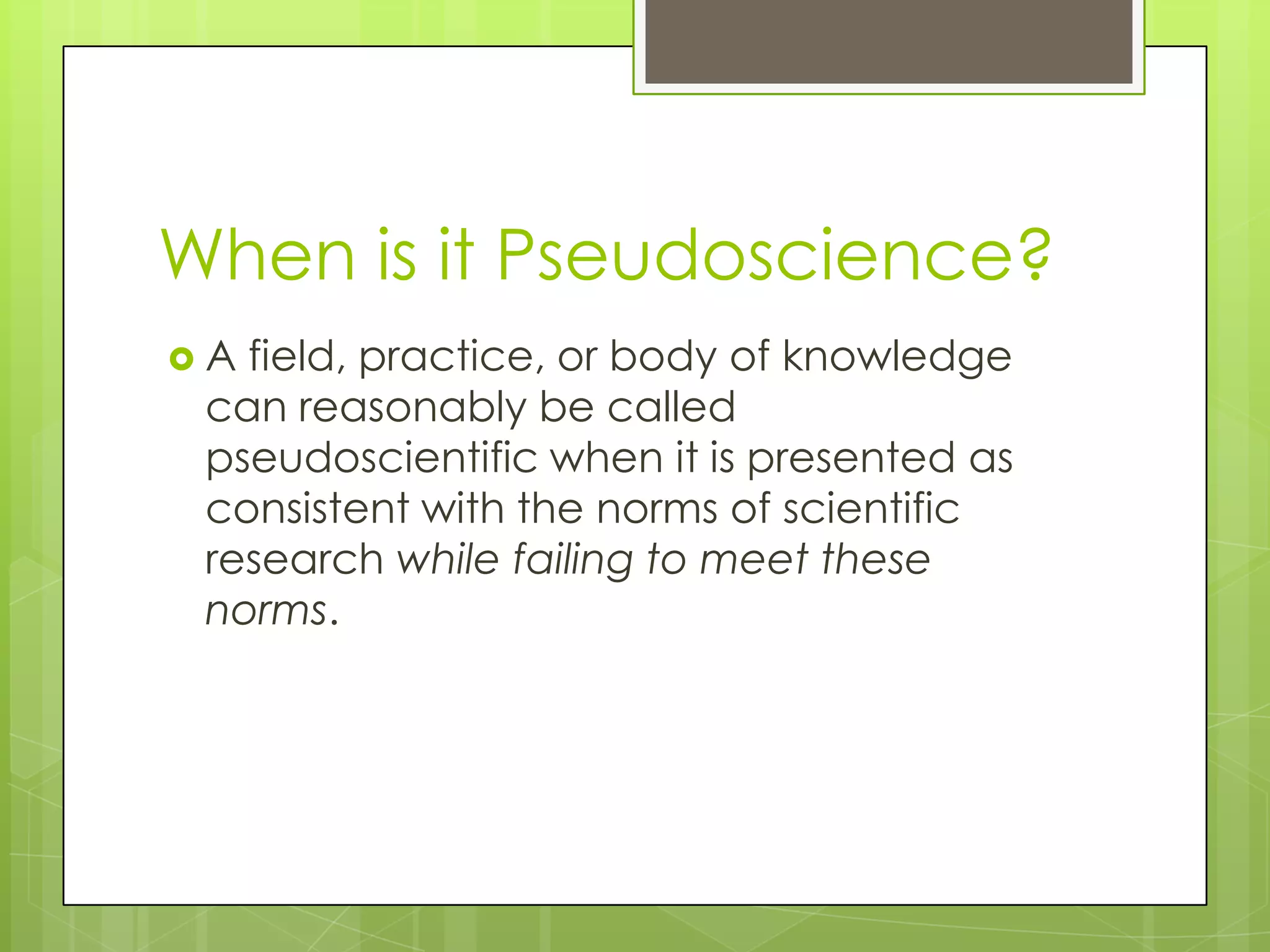
At its core, pseudoscience masquerades as legitimate science. It often features:
- Grandiose language that promises quick fixes or universal solutions.
- References to “studies” that are either unpublished, unreviewed, or conducted on tiny sample sizes.
- Appeals to authority that rely on celebrity endorsements rather than expert consensus.
- Lack of reproducibility—the results can’t be replicated by independent researchers.
When you spot a combination of these red flags, it’s time to dig deeper.
Tools for a Quick Reality Check
Before you share a sensational article, try one of these quick filters:
- Check the source. Is it a reputable news outlet or a fringe website?
- Look for peer‑reviewed references. Genuine studies are usually published in established journals.
- Search the author’s credentials. Do they have a background in the relevant scientific field?
- Notice the date. Outdated or retracted studies often resurface with fresh headlines.
Even a brief glance at these points can reveal whether the story stands on solid ground.
Common Themes in Pseudoscientific News
Some topics keep popping up, each with its own set of tricks.
Miracle Health Claims
From “detox teas” that melt away pounds to “quantum” devices that cure chronic pain, health‑related pseudoscience thrives on fear of illness and the promise of easy solutions. Look for statements like “clinically proven” without a citation, or “doctors don’t want you to know.” Those are classic warning signs.
Alternative Energy and “Free Power”
Stories about perpetual motion machines or “zero‑point energy” sound enticing, especially during energy crises. Yet they violate basic physics principles. If a claim suggests energy can be generated without an input, it’s almost certainly bogus.
Conspiracy‑Driven Science
Articles that link mainstream scientific findings to secret cabals or hidden agendas often mix half‑truths with speculation. While healthy skepticism is valuable, a narrative that frames every dissenting voice as part of a grand plot usually indicates pseudoscience.
How to Verify a Controversial Study
When a headline hinges on a single study, follow this mini‑investigation:
- Find the original paper. Use Google Scholar or the journal’s website.
- Check the methodology. Was the sample size adequate? Were controls in place?
- Look for replication. Have other researchers reproduced the results?
- Assess the consensus. Do the majority of experts in the field echo the findings, or is this an outlier?
If the paper is behind a paywall, abstracts and press releases often give enough clues about its credibility.
Why It Matters: Real‑World Consequences
Believing pseudoscientific news isn’t just an intellectual hiccup; it can have tangible effects:
- Financial loss from buying unproven supplements or gadgets.
- Health risks when people replace proven treatments with unverified alternatives.
- Erosion of trust in legitimate science, making public policy harder to implement.
Understanding the stakes helps motivate a more diligent approach to news consumption.
Practical Tips for Daily Reading
Incorporate these habits into your routine:
- Limit headline surfing. Click through to the full article before forming an opinion.
- Set a fact‑checking routine. Websites like Snopes or FactCheck.org can quickly debunk viral claims.
- Engage with experts. Follow reputable scientists on social media for their take on trending stories.
- Stay skeptical, not cynical. A healthy doubt encourages deeper inquiry without dismissing everything outright.
Over time, these practices become second nature, and you’ll find yourself less swayed by sensationalist headlines.
The Takeaway
News about science is essential for an informed public, but not every story wears the same badge of credibility. By recognizing the hallmarks of pseudoscience, using quick verification tools, and nurturing a habit of critical reading, you can navigate today’s news landscape with confidence. The next time a headline promises a miracle cure or a revolutionary energy source, pause, investigate, and let evidence guide your judgment.