How to Install the Bosch Indego M700 Docking Station
Ever wondered why your robotic mower keeps wandering off‑track or losing power halfway through a run? Most of the time it’s not the mower itself but the docking station that’s either misaligned or not quite ready for the job. The Bosch Indego M700’s docking station is the quiet hero that guides the mower back home, recharges its battery, and gives you a clean lawn without a lot of fuss. Below you’ll find everything you need to get it set up, keep it humming, and fix the occasional hiccup.
What Makes the Indego M700 Docking Station Special?
The docking unit is more than a simple plug‑in. Bosch designed it to talk to the mower via a low‑power radio link, ensuring a smooth handshake every time the robot finishes a pass. Here are the standout bits:
- Compact footprint – Roughly the size of a small footstool, it fits in most gardens without stealing too much space.
- Weather‑resistant housing – Rated IP44, it can shrug off light rain or dew without a sweat.
- Self‑aligning guides – Small rails coax the mower into the exact spot for a reliable charge.
- Smart power management – The station draws only what’s needed, helping your electricity bill stay modest.
All that tech might sound intimidating, but the actual installation is a breeze—provided you follow a few sensible steps.
Step‑by‑Step Installation Guide
Grab a screwdriver, a level, and a moment of patience. Below is the practical order most owners find easiest.
1. Choose the Right Spot
The docking station needs a flat surface, ideally within a few meters of the lawn’s edge. Avoid places with heavy foot traffic; you don’t want anyone stepping on a charging cable.
- Check for a solid, concrete or paved area. Grass can shift and cause misalignment.
- Make sure the station is under partial shade. Direct sun isn’t harmful, but it can make the plug hot.
- Keep it away from sprinkler heads or hose reels that might get tangled.
2. Prepare the Ground
If you’re mounting on a concrete slab, simply wipe away dust. For a wooden deck, you might need a small rubber mat to prevent slipping. A level is handy: the station should sit within a 2‑degree tilt at most.
3. Unbox and Inspect
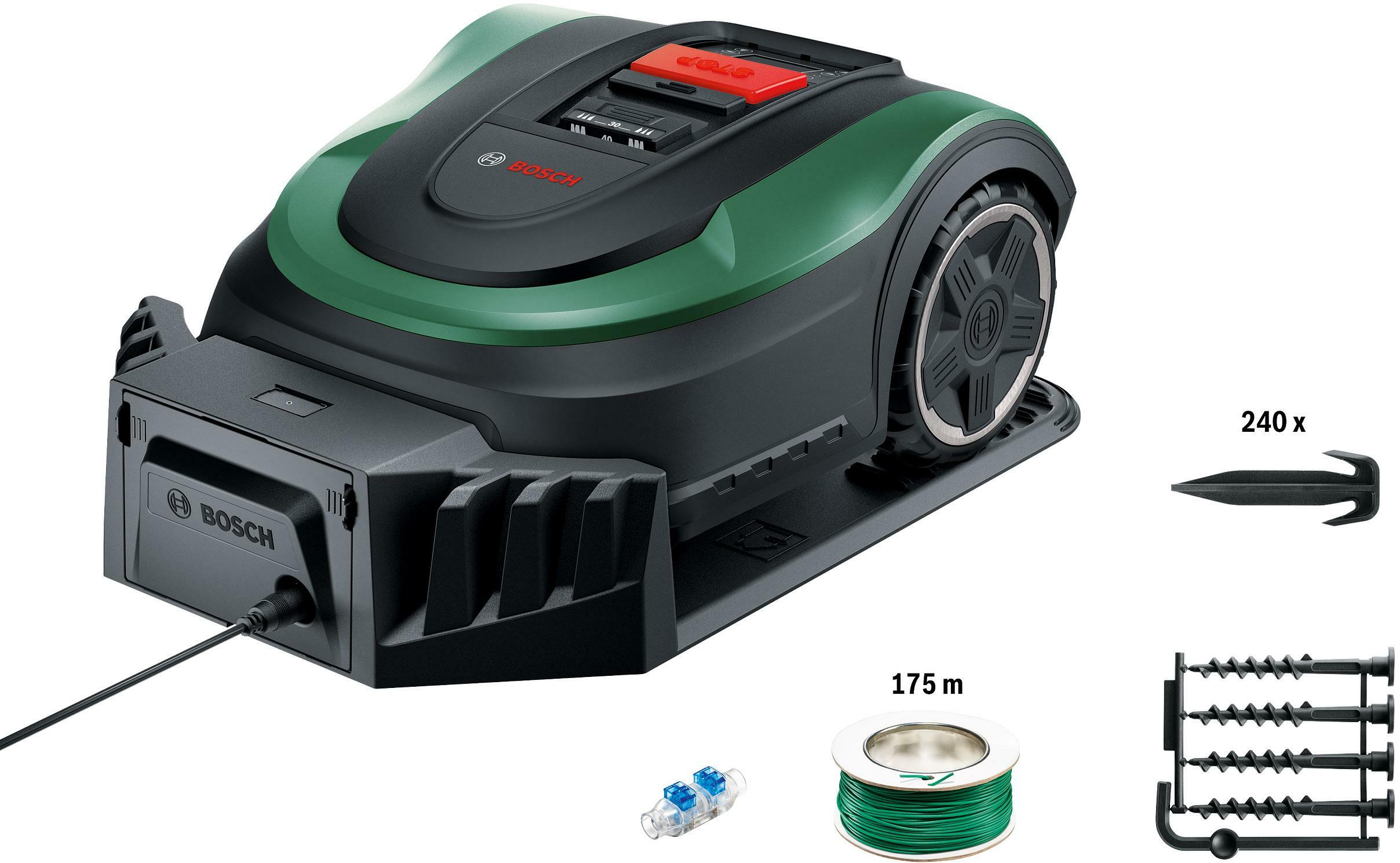
Take the station out of its packaging, open the gentle foam inserts, and verify that the following pieces are present:
- Docking chassis
- Power cable with plug
- Quick‑release clamps (if supplied)
- User manual (always good for a quick reference)
If anything looks bent or missing, contact Bosch support before proceeding.
4. Connect the Power
Plug the cable into a standard 220‑240 V outlet. You’ll hear a faint click when the internal LED turns green—sign that the unit is live. Tip: Use a surge protector if you’re in an area prone to lightning.
5. Position the Mower
Manually guide the Indego M700 onto the docking guides. The mower’s rear wheels should slot into the two metal rails, and the charging contacts will align automatically. When everything sits snugly, the mower’s indicator light will flash green, confirming a successful connection.
6. Test the System
Press the “Start” button on the mower. It should leave the dock, make a short trek, and then return on its own. If it hesitates, double‑check that the docking guides aren’t obstructed by debris.
That’s it—your station is now officially part of the lawn‑care routine.
Keeping the Docking Station in Top Shape
Even the best hardware needs a little TLC now and then. Here’s how to avoid common wear‑and‑tear problems.
- Clean the contacts monthly – Use a dry cloth or a soft brush to wipe away dust. Avoid liquids, which could cause short‑circuits.
- Check the cable for fraying – A cracked sheath can be dangerous. Replace the cord at the first sign of wear.
- Inspect the guides – Make sure the metal rails aren’t bent. A misaligned guide can lead to an incomplete charge.
- Run a quick self‑diagnostic – The mower’s app offers a “Dock Health” check that reports voltage and connection status.
These tasks take less than five minutes a month, but they pay off in a mower that reliably returns home every evening.
Troubleshooting Common Issues
If the mower refuses to dock, don’t panic. Below are the most frequent hiccups and how to address them.
Mower Doesn’t Find the Dock
Often a simple misplacement of the docking station or a blockage in the path. Verify that the station is still exactly where you installed it; even a shift of a few centimeters can confuse the robot’s navigation.
Charging Light Stays Amber
This can mean the contacts aren’t fully engaged. Lift the mower slightly and re‑seat it, making sure the wheels sit squarely on the guides. If the amber persists, check the power outlet; a tripped breaker could be the culprit.
Frequent Disconnections
Look for water pooling around the station after rain. Even though the housing is rated IP44, standing water can create a thin film on the contacts. Dry the area and consider adding a small canopy.
Frequently Asked Questions
- Do I need a special outlet? – No, a standard household socket works fine, as long as it matches your region’s voltage.
- Can I move the docking station later? – Yes, but you’ll need to recalibrate the mower in the app after relocation.
- How long does a full charge take? – Roughly 60‑90 minutes, depending on battery health.
- Is the docking station covered by warranty? – Bosch typically offers a two‑year warranty on the station; check your receipt for exact terms.
Armed with this guide, the docking station should feel like a natural extension of your garden rather than a mysterious piece of tech. A little set‑up, occasional cleaning, and you’ll watch your Indego M700 glide across the grass, charge lazily at dusk, and be ready to roll again tomorrow.