How to Make an Easy, Flavorful Malaysian Chicken Curry
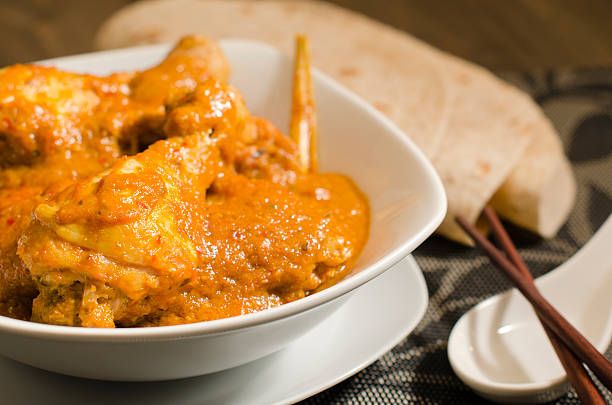
When you think of Malaysian cuisine, the first thing that often comes to mind is a fragrant, coconut‑laden curry that manages to be both soothing and punchy. This chicken version is surprisingly simple—just a handful of pantry staples and a few aromatic spices are enough to transport you straight to a bustling night market.
Why This Curry Works
Malaysian chicken curry balances three core elements: richness from coconut milk, heat from chilies, and depth from spices that have been toasting in the pan. The trick isn’t in a complicated technique; it’s in layering flavors and giving the chicken enough time to soak them up.
Essential Ingredients
- 1 kg chicken thighs, boneless, cut into bite‑size pieces
- 400 ml coconut milk (full‑fat for the best mouthfeel)
- 2 large onions, finely sliced
- 4 cloves garlic, crushed
- 1 inch ginger, grated
- 3 tbsp Malaysian curry powder (or a mix of turmeric, coriander, cumin, and fennel)
- 2 tbsp chili paste (adjust to taste)
- 1 tbsp tamarind concentrate or a splash of lime juice
- 1 tbsp palm sugar or brown sugar
- 2 tbsp cooking oil (vegetable or coconut)
- Fresh cilantro for garnish
- Salt, to taste
If you can’t find a ready‑made Malaysian curry powder, blend equal parts ground coriander, cumin, fennel seeds, and a pinch of turmeric. A dash of cinnamon or star anise also adds a subtle sweet‑spicy whisper.
Step‑by‑Step Cooking Guide
1. Heat the base
Warm the oil in a heavy‑bottomed pot over medium heat. Toss in the sliced onions and let them caramelize slowly—about 7 minutes. This is where the sweetness begins, so resist the urge to crank up the heat.
2. aromatics join the party
Add the garlic and ginger. Stir for a minute until you smell that unmistakable zing. Then stir in the chili paste and curry powder; let them fry for another 30 seconds. You’ll notice the spices releasing a richer, darker hue—that’s the flavor foundation forming.
3. Introduce the chicken
Drop the chicken pieces in, coating them evenly with the spice mixture. Cook for roughly 5 minutes, turning occasionally, until the meat is no longer pink on the outside.
4. The coconut milk moment
Pour in the coconut milk, followed by the tamarind concentrate and palm sugar. Give everything a gentle stir, then bring the pot to a gentle simmer. Reduce the heat to low, cover, and let it cook for 20–25 minutes. The liquid should thicken slightly, and the chicken should be tender enough to fall apart with a fork.
5. Final seasoning
Taste the curry. A balanced profile should have a hint of sweetness, a subtle tang, and a lingering warmth from the chilies. Add salt as needed, perhaps a splash more lime juice if the flavors feel a touch flat.
6. Serve and garnish
Dish out the curry over steamed jasmine rice or fluffy coconut rice. Scatter fresh cilantro leaves on top for brightness.
Tips for a Truly Authentic Bite
- Don’t rush the onions. Their slow caramelization is key to the curry’s subtle sweetness.
- Use bone‑in pieces if you have time. The marrow adds an extra layer of richness.
- Adjust heat wisely. If you prefer milder heat, start with half the chili paste and augment later.
- Leftovers improve. The flavors meld even more after a night in the fridge.
Variations Worth Trying
If you’re feeling adventurous, swap the chicken for:
- Chunky tofu for a vegetarian spin (press the tofu first to avoid sogginess).
- Pan‑seared shrimp added in the last 5 minutes of cooking.
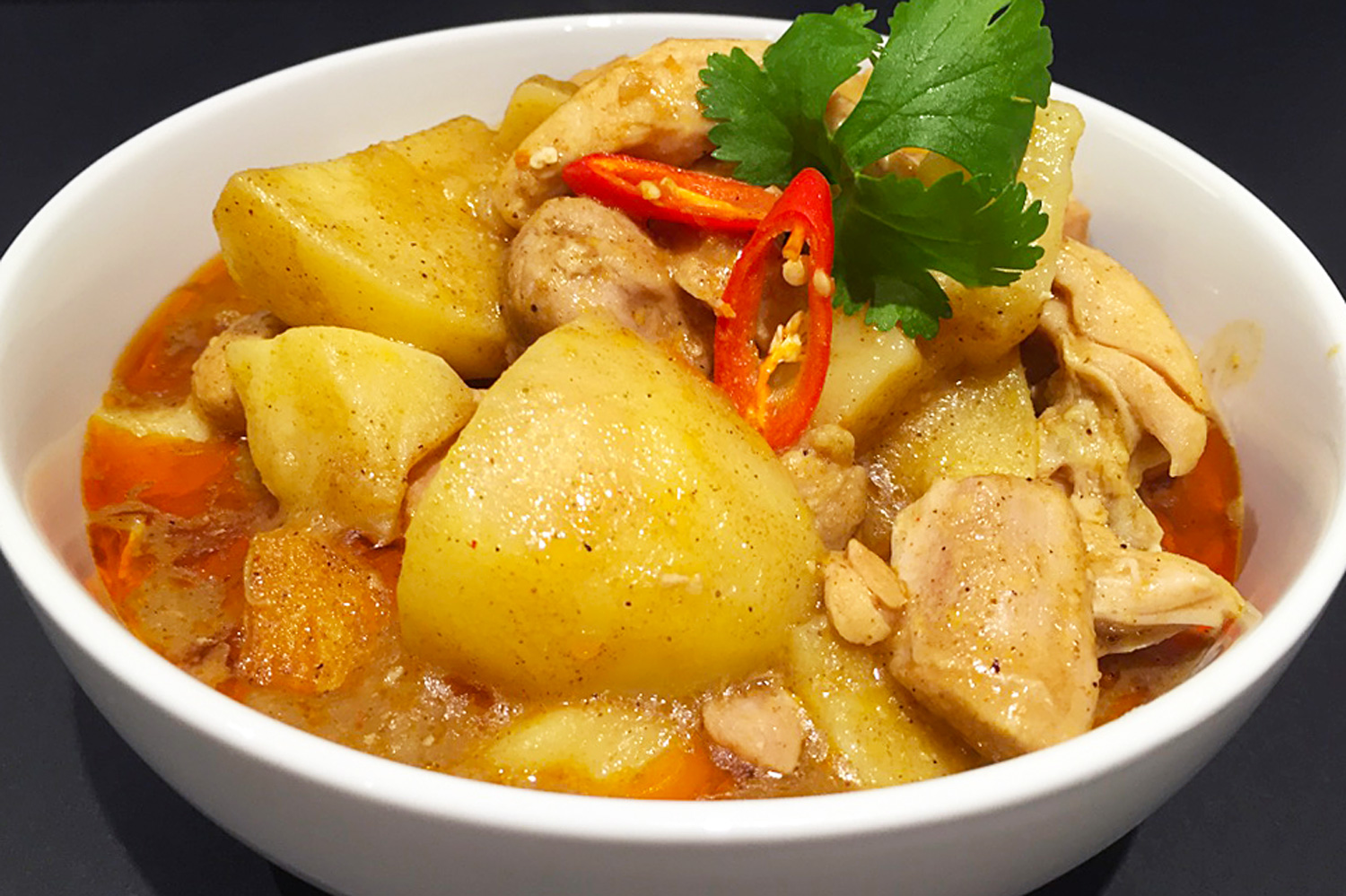
- Mixed vegetables—carrots, potatoes, and green beans—if you want a heartier stew.
For a creamier texture, stir in a spoonful of coconut cream just before serving. A handful of toasted peanuts on top adds a pleasant crunch.
Storing and Reheating
Cool the curry to room temperature, then keep it in an airtight container in the fridge for up to 3 days. When reheating, do so on low heat and add a splash of coconut milk if the sauce has thickened too much. It also freezes well; just thaw overnight in the fridge and reheat gently.