How to Master ITIL for Superior IT Service Management
Whether you’re a fresh‑face in the IT department or a seasoned manager looking to tighten up operations, ITIL (Information Technology Infrastructure Library) offers a proven roadmap. It isn’t a rigid rulebook; think of it as a flexible framework that helps align technology services with business goals. Below, we break down the essentials, spotlight common pitfalls, and give you actionable steps to elevate your service management game.
Why ITIL Still Matters in 2024
In an era of cloud‑first strategies and AI‑driven monitoring, the basics of service delivery haven’t changed. ITIL provides:
- Consistency: Standardized processes reduce chaos during incidents.
- Visibility: Clear metrics illuminate where value is created—or lost.
- Collaboration: Cross‑team handoffs become smoother when everyone speaks the same language.
If you’ve ever felt your team was “fire‑fighting” rather than strategic, you’ll recognize these benefits instantly.
Core Components You Should Know
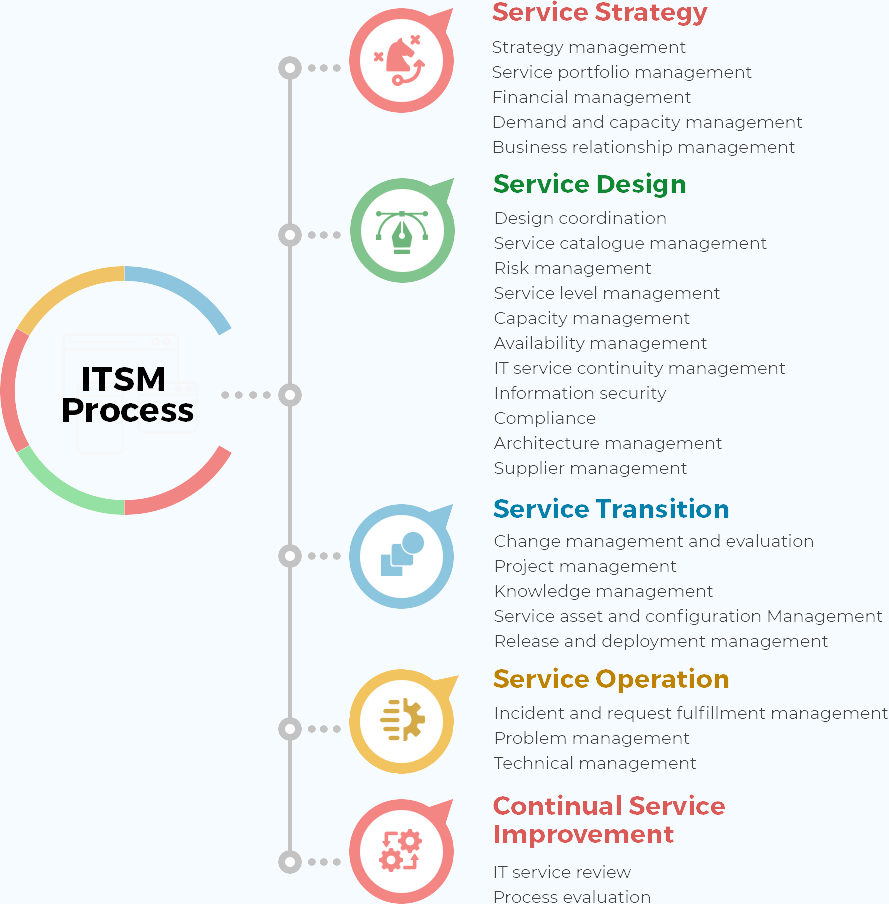
1. Service Strategy
This is the “why” behind every IT decision. It forces you to ask: Are we delivering services that truly support business objectives? A quick exercise—map each service to a specific business outcome. If the link is fuzzy, reconsider the offering.
2. Service Design
Here we flesh out the “how.” Think of it as drafting a blueprint before construction. Critical artefacts include:
- Service Level Agreements (SLAs)
- Capacity plans
- Risk assessments
Skipping this stage is a common source of later headaches.
3. Service Transition
Change is inevitable, but chaos isn’t. This phase introduces Change Management, Release Management, and Knowledge Management. A simple tip: maintain a single “change calendar” that’s visible to all stakeholders. It reduces surprise and builds trust.
4. Service Operation
The day‑to‑day reality where incidents happen. Key practices include Incident Management, Problem Management, and Event Management. Remember, not every incident deserves escalation—triage wisely.
5. Continual Improvement
Improvement isn’t a buzzword; it’s a cycle. Use the CSI Register to log ideas, prioritize based on impact, and track execution. Small, incremental tweaks often yield outsized gains.
Getting Started: A Pragmatic Roadmap
Jumping straight into a full‑scale ITIL transformation can overwhelm any department. Try the “mini‑pilot” approach:
- Identify a pain point. Perhaps recurring outages in a specific application.
- Pick one process. Incident Management is a good starter.
- Define clear metrics. Mean Time to Resolve (MTTR) and Customer Satisfaction (CSAT) work well.
- Train the team. Short workshops (30‑45 minutes) often beat week‑long seminars.
- Measure, adjust, repeat. After a month, assess results and decide whether to expand.
This incremental method keeps momentum high while limiting risk.
Common Missteps and How to Dodge Them
- Over‑documenting. Pages of procedures sound impressive but rarely get read. Aim for concise, actionable run‑books.
- Ignoring culture. A process‑only rollout fails if people don’t buy into it. Celebrate small wins to build momentum.
- Choosing tools first. The software should serve the process, not dictate it. Start with paper or simple spreadsheets if needed.
- Setting unrealistic SLAs. It’s better to under‑promise and over‑deliver than the reverse.
Tools That Complement ITIL
While ITIL itself is methodology, modern tooling can make it painless. Consider solutions that excel in:
- Integrated ticketing (e.g., ServiceNow, Jira Service Management)
- Automated monitoring and alerting (e.g., Dynatrace, New Relic)
- Knowledge base creation (e.g., Confluence, SharePoint)
Even a basic spreadsheet can act as a temporary change log—just keep it tidy.
Measuring Success without Getting Paralyzed by Data
Metrics are essential, but too many can drown you. Focus on a handful that truly reflect performance:
- MTTR: How quickly incidents are resolved.
- First‑Call Resolution Rate: Indicates effectiveness of frontline support.
- Change Success Rate: Percentage of changes implemented without incident.
- Customer Satisfaction (CSAT): The ultimate litmus test.
Review these numbers quarterly; adjust targets only when trends shift.
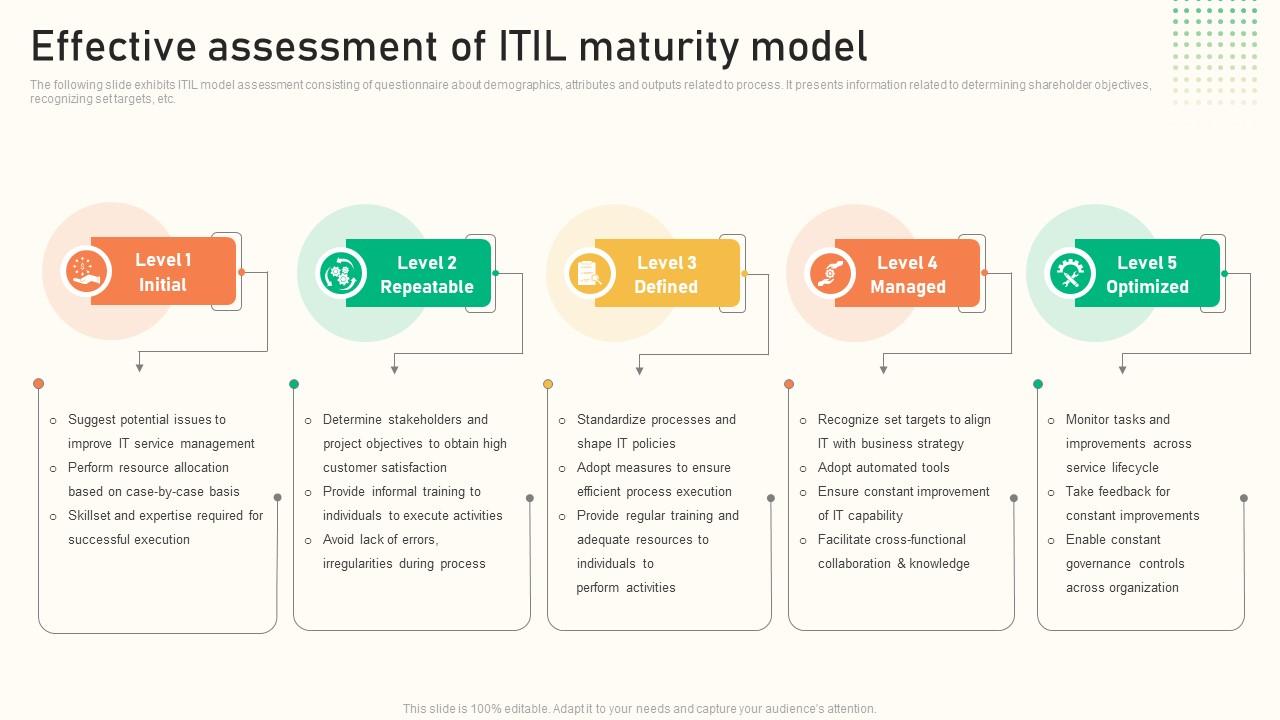
Embedding a Continuous Improvement Mindset
It’s tempting to declare “We’re ITIL‑compliant now” and move on. Real value comes from making improvement a habit. Try these low‑effort tactics:
- Weekly “retro‑review” meetings limited to 15 minutes.
- Quarterly “process health” surveys for staff.
- Spotlight a “process champion” each month—someone who owns a specific practice.
When people see that their ideas lead to tangible change, adoption accelerates.
Bottom Line: ITIL Is a Living Framework, Not a One‑Time Project
Implementing ITIL is less about ticking boxes and more about fostering a service‑first culture. Start small, measure wisely, and let the process evolve with your organization’s needs. In the end, the true measure of success is simple: fewer outages, happier users, and a team that feels empowered rather than burdened.