How to Master Project Infrastructure Management: A Complete Guide
Imagine juggling servers, networks, and the countless moving parts that keep a modern project humming along. That’s the reality of project infrastructure management—a discipline that blends technical savvy with strategic oversight. Whether you’re new to the field or looking to sharpen your approach, this guide walks you through the essentials, the hurdles, and the tools that can make your infrastructure run like a well‑tuned orchestra.
What Exactly Is Project Infrastructure Management?
At its core, project infrastructure management (PIM) is the systematic planning, deployment, and maintenance of the physical and digital foundations that enable a project to deliver its outcomes. Think of it as the backstage crew for a theater production: they handle lighting, sound, and set changes so the actors can shine.
Key aspects include:
- Resource allocation – deciding which servers, storage, or networking gear get assigned to which tasks.
- Risk mitigation – identifying points of failure before they become show‑stoppers.
- Performance monitoring – keeping an eye on uptime, latency, and capacity.
- Compliance and security – ensuring the infrastructure meets regulatory and safety standards.
Core Components of Effective Management
Successful PIM hinges on a few foundational pillars. Missing even one can tip the balance toward chaos.
1. Architecture Blueprint
A clear, documented design is non‑negotiable. It should map out servers, virtual machines, containers, network topology, and any third‑party services. When you have a solid blueprint, scaling up or troubleshooting becomes a matter of reference rather than guesswork.
2. Governance Framework
Policies around change control, access rights, and incident response give structure to day‑to‑day operations. Without governance, teams often take ad‑hoc shortcuts that snowball into larger problems.
3. Monitoring & Analytics
Real‑time dashboards and alerting mechanisms transform reactive firefighting into proactive stewardship. Modern tools can even predict capacity bottlenecks before they impact users.
4. Automation Pipeline
From infrastructure‑as‑code (IaC) scripts to CI/CD pipelines, automation reduces manual errors and speeds up deployments. Trust the scripts, not the memory of a tired admin.
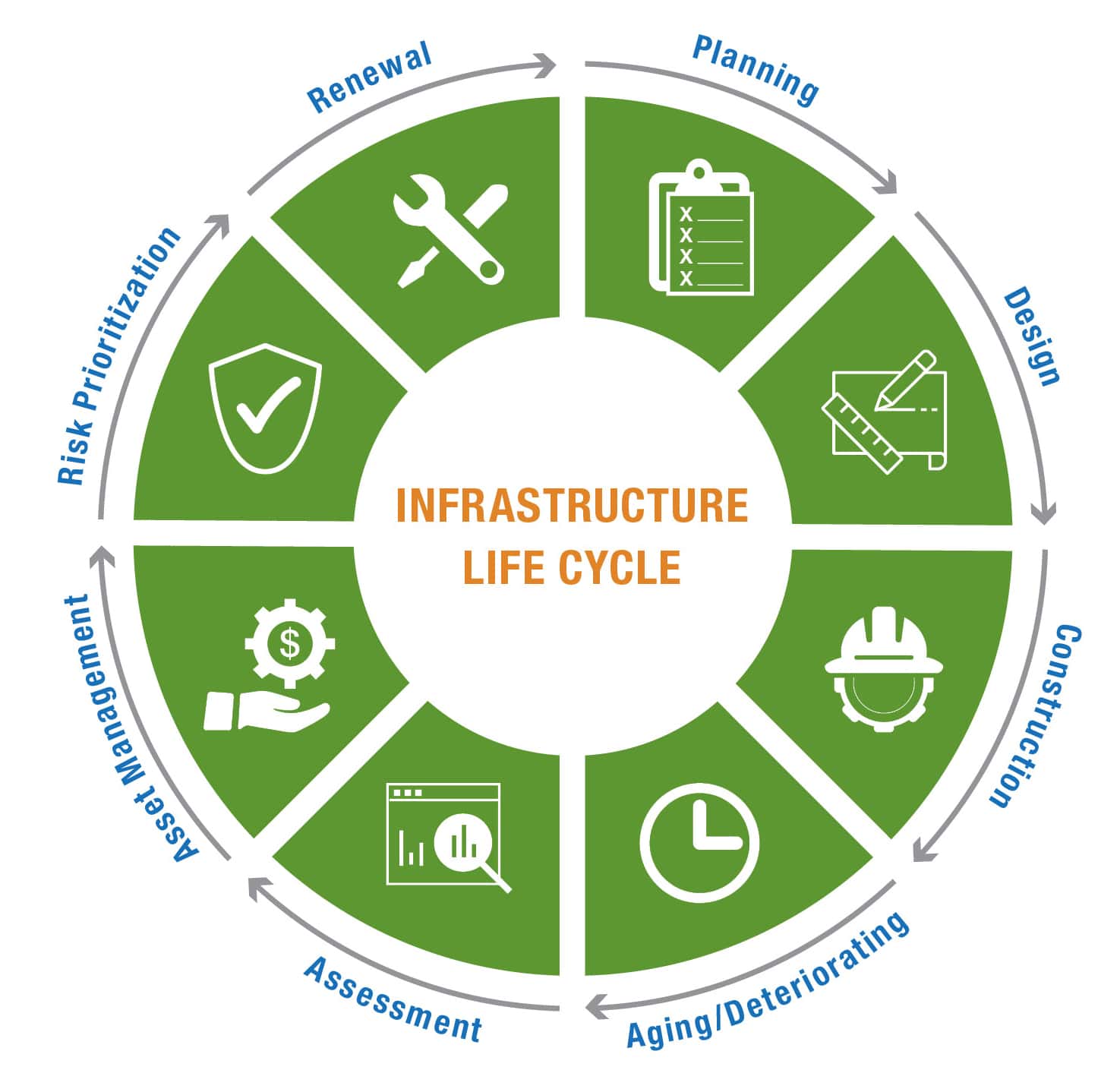
Lifecycle Phases: From Concept to Decommission
Just as a product follows a lifecycle, so does its underlying infrastructure. Breaking the journey into distinct phases clarifies responsibilities and expectations.
- Planning – Define requirements, budget, and timelines. Sketch the high‑level architecture.
- Design – Translate requirements into detailed schematics. Choose technology stacks, vendors, and security models.
- Implementation – Deploy hardware, configure virtual environments, and integrate services. Automate wherever possible.
- Operation – Monitor performance, apply patches, and manage scaling. Conduct regular health checks.
- Optimization – Review usage data, refactor wasteful resources, and adopt emerging tools.
- Retirement – De‑provision assets, archive data responsibly, and close out contracts.
Skipping even a single step can leave hidden vulnerabilities—something many project managers discover too late.
Tools and Technologies Shaping Modern PIM
The toolbox for infrastructure managers has exploded over the past decade. Below are some categories and a few standout options you might consider.
- Infrastructure‑as‑Code (IaC) – Terraform, AWS CloudFormation, Ansible. These let you version‑control your environment just like application code.
- Monitoring Suites – Prometheus paired with Grafana, Datadog, or New Relic. They aggregate metrics, logs, and traces in one pane.
- Container Orchestration – Kubernetes dominates, but Docker Swarm still fits smaller setups.
- Configuration Management – Puppet and Chef excel at maintaining consistency across fleets.
- Security Platforms – Qualys for vulnerability scanning, HashiCorp Vault for secret management.
Choosing the right mix depends on your project's scale, skill set, and compliance landscape. Don’t underestimate the learning curve—sometimes a simpler tool that the team can master beats a feature‑rich solution that sits idle.
Best Practices (And the Pitfalls to Avoid)
Experience teaches that good habits become second nature, while shortcuts rarely end well.
- Document Early, Update Often – Treat documentation as a living artifact. Use wikis or auto‑generated diagrams that sync with your IaC.
- Embrace “Shift‑Left” Testing – Validate infrastructure changes in a staging environment before they touch production.
- Implement Role‑Based Access Control (RBAC) – Limit permissions to the minimum necessary. Over‑privileged users are a security nightmare.
- Plan for Failure – Build redundancy, design failover mechanisms, and schedule regular disaster‑recovery drills.
- Keep an Eye on Costs – Cloud resources can balloon silently. Set budgets, alerts, and regularly review usage reports.
Common missteps include:
- Relying on manual configurations for critical services.
- Neglecting to version‑control infrastructure code.
- Overlooking compliance requirements until an audit forces a scramble.
- Skipping post‑deployment reviews, which leaves lessons unlearned.
Putting It All Together: A Quick Action Plan
If you’re ready to get hands‑on, try this concise roadmap.
- Gather stakeholder requirements and draft a high‑level architecture.
- Choose an IaC tool and codify the core infrastructure.
- Set up a monitoring stack with baseline alerts for uptime and performance.
- Define change‑management policies and onboard the team.
- Run a pilot deployment in a sandbox environment; iterate based on feedback.
- Roll out to production with automated rollout pipelines; monitor closely for the first 48 hours.
- Schedule quarterly reviews to optimize resource usage and incorporate new tooling.
Even a modest implementation of these steps can dramatically raise the reliability and transparency of your project’s backbone.
Final Thoughts
Project infrastructure management is less about juggling endless hardware lists and more about establishing a repeatable, measurable process. When you combine clear architecture, solid governance, vigilant monitoring, and strategic automation, you free your team to focus on delivering value rather than putting out fires. The journey isn’t linear—expect a few detours, learn from each misstep, and keep refining. Mastery comes from the balance of planning and adaptability, and with the right foundation, your projects will run smoother than ever before.