How to Master Respiratory System Hourly Rounds in Shadow Health
Why Hourly Rounds Matter in a Virtual Simulation
When you’re navigating the Shadow Health platform, the respiratory system doesn’t wait for you to finish a case before demanding attention. Hourly rounds mimic real‑world nursing checks, reinforcing critical thinking while you assess airway patency, breath sounds, and oxygenation status. In short, they’re the bridge between textbook theory and bedside practice.
Setting the Stage: Preparing Your Virtual Workspace
Before you even meet “Richard,” the virtual patient, make sure your screen layout mirrors a clinical environment. Pull up the vital signs widget, open the charting pane, and keep the auscultation audio ready. A tidy interface reduces the cognitive load, letting you focus on the patient rather than hunting for tools.
Quick Checklist
- Enable audio cues for lung sounds.
- Bookmark the “Respiratory Assessment” shortcut.
- Set a timer for 60‑minute intervals (the simulation’s default).
Step‑by‑Step: Conducting the First Hourly Round
The initial round is your baseline. Treat it like the first set of vitals you’d collect on a real ward.
- Observe Richard’s posture and breathing pattern. Is he upright, slumped, or using accessory muscles?
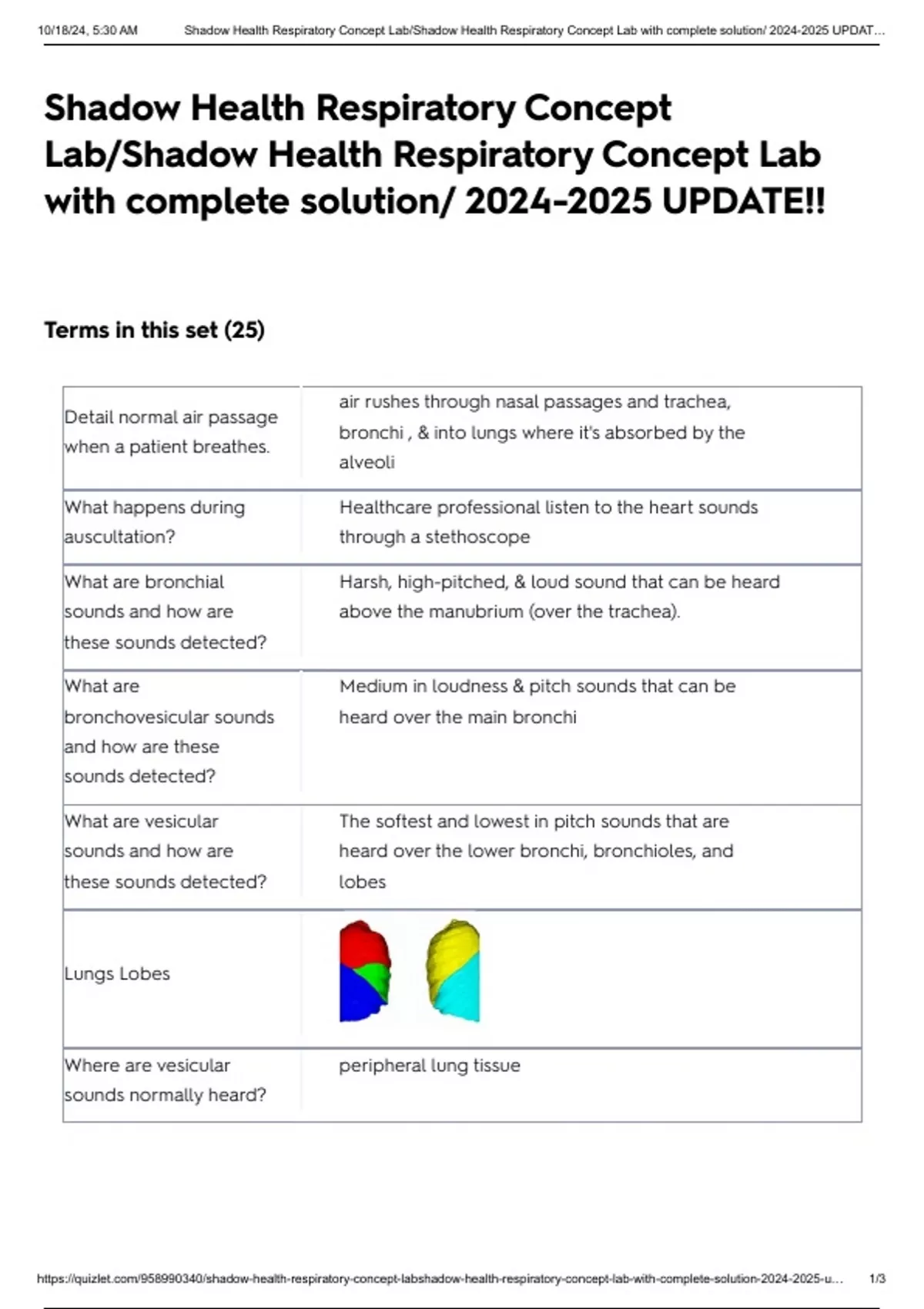
- Listen to lung fields. Move the stethoscope icon from the apex to the bases, noting any wheezes, crackles, or diminished breath sounds.
- Record oxygen saturation. The monitor will display SpO₂; compare it to the normal 95‑100 % range.
- Ask focused questions. Use the dialogue box to inquire about cough, sputum, or dyspnea.
- Document findings. Fill out the respiratory assessment template before the timer expires.
Common Pitfalls and How to Avoid Them
Even seasoned students stumble in the virtual world. The most frequent errors are surprisingly simple.
- Skipping the auscultation step. It feels tempting to jump straight to charting, but missing subtle crackles can cost you points.
- Relying on a single data point. Oxygen saturation alone doesn’t tell the whole story—pair it with respiratory rate and work of breathing.
- Ignoring Richard’s verbal cues. The simulation includes nuanced speech changes; a slurred answer might hint at hypoxia.
Integrating Richard’s History Into Your Rounds
Richard isn’t just a bundle of numbers; his medical background shapes the respiratory picture. He’s a 68‑year‑old former smoker with COPD and a recent diagnosis of pneumonia. Keep this narrative in mind as you review each hourly update. For instance, a sudden increase in wheezing after a bronchodilator dose is expected, whereas new egophony would raise red flags.
Advanced Tips for the Savvy Student
If you want to move beyond the basics, try these strategies during the later rounds.
- Trend analysis. Plot SpO₂ and respiratory rate over several hours; a gradual decline may indicate fatigue or infection.
- Simulated interventions. Administer supplemental oxygen or a nebulizer through the toolbar and immediately reassess lung sounds.
- Cross‑system checks. Correlate respiratory findings with cardiovascular data—tachycardia often accompanies hypoxia.
Reflecting on Your Performance
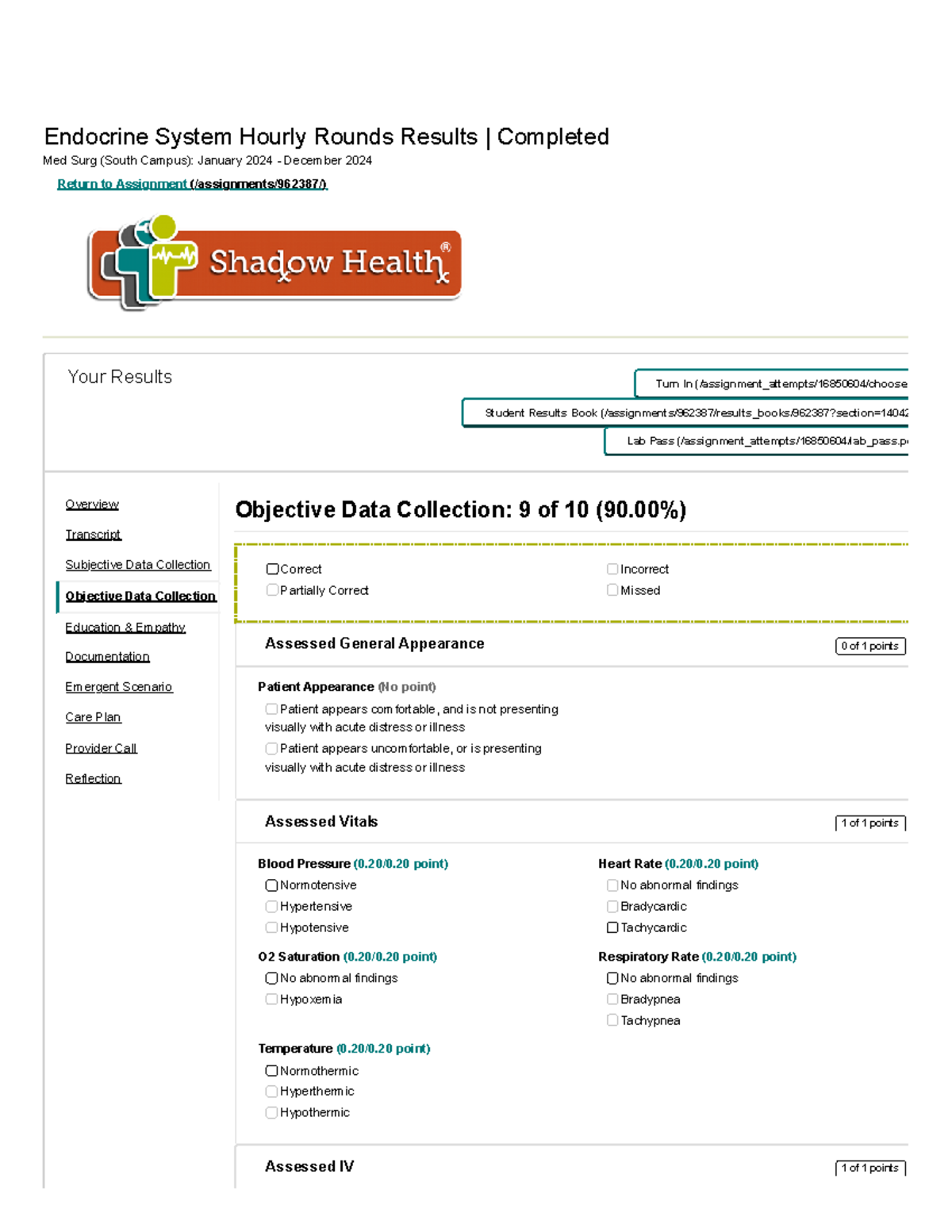
After the final round, Shadow Health provides a feedback report. Look for patterns in the comments: “Missed fine crackles in lower lobes” or “Excellent documentation of work of breathing.” Use these hints to fine‑tune your next practice session. Remember, the goal isn’t a perfect score on the first try; it’s developing a habit of thorough, time‑sensitive assessment.
When to Seek Additional Help
If you find yourself repeatedly stuck on a particular symptom—say, distinguishing between rhonchi and wheezes—don’t hesitate to consult your instructor or the built‑in tutorial videos. A short 5‑minute refresher can save hours of frustration later.