How to Master the Marketing Mix: The 4Ps Demystified
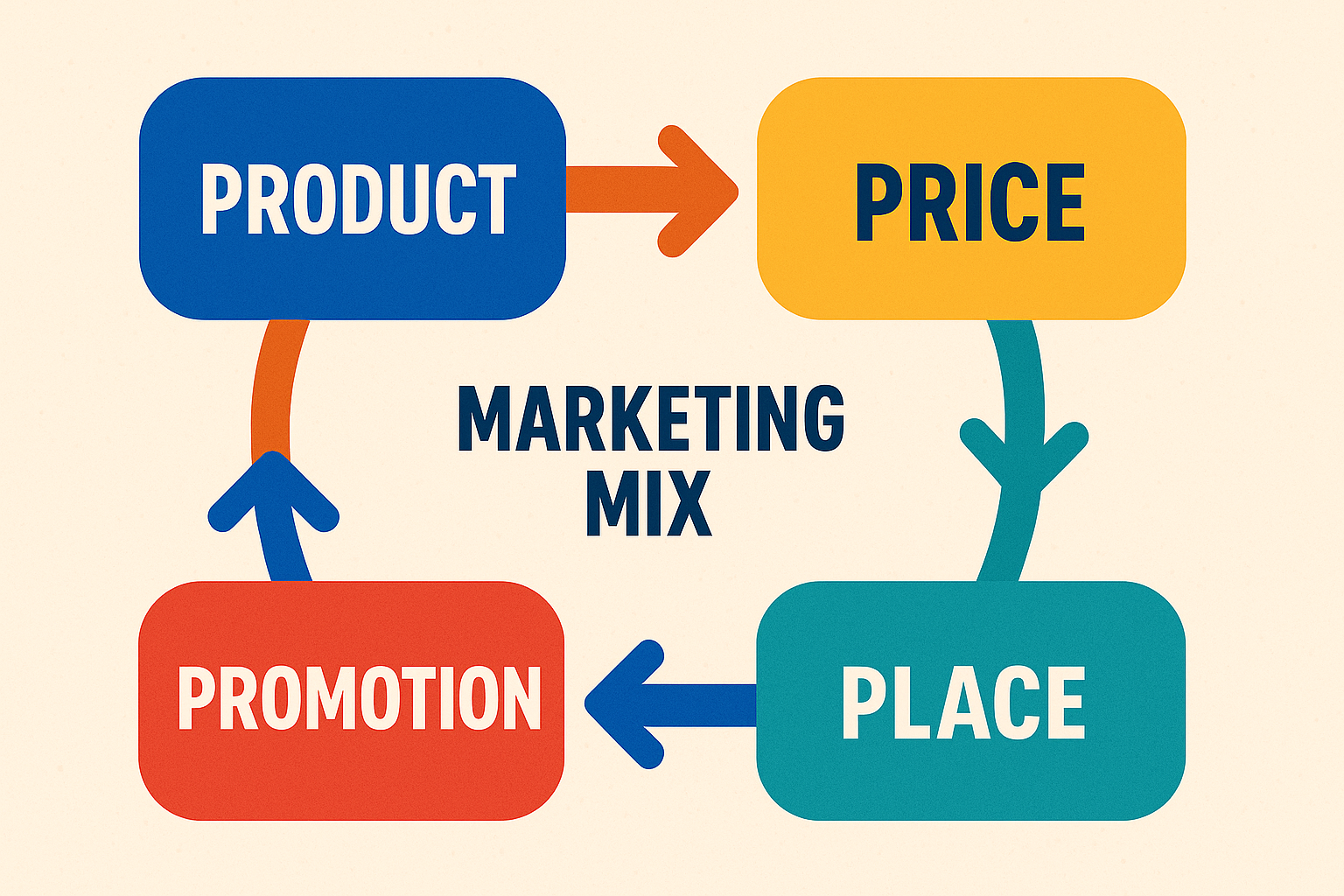
If you’ve ever wondered how to master the marketing mix, understanding the classic 4Ps is the first step. Though the concept dates back to the 1960s, the framework still guides everything from startup launches to global brand strategies. Below, we break down each “P” in plain language, sprinkle in real‑world examples, and show how they interlock to create a cohesive plan.
Mastering the Marketing Mix: A Deep Dive into the 4Ps
At its core, the marketing mix is a set of controllable levers that shape a product’s market performance. Think of it as a recipe: each ingredient—product, price, place, promotion—must be measured, mixed, and adjusted according to taste and context. When one element shifts, the others often need recalibration.
Product: Shaping What You Offer
The product pillar is more than the physical good or service; it includes features, quality, branding, and the problem it solves. Successful companies begin by asking: What need does this product fulfill? How does it differ from alternatives? Answering those questions informs design, packaging, and even after‑sales support.
- Core benefit: The fundamental advantage customers receive.
- Features: Tangible attributes that enhance the core benefit.
- Branding: Visual and verbal cues that create perception.
- Lifecycle: Plans for updates, extensions, or phase‑outs.
Take Apple’s iPhone: the core benefit is seamless mobile connectivity, while features like Face ID and a robust App Store reinforce premium positioning. The brand’s sleek design language and consistent software updates keep the product fresh across its lifecycle.
Price: Finding the Sweet Spot
Pricing balances perceived value, competitive pressures, and cost structure. It’s rarely a simple “cost‑plus” calculation; psychological pricing, discount strategies, and tiered options all play a part. A well‑set price signals quality, attracts the right segment, and sustains profitability.
- Cost‑based pricing: Adding a markup to production costs.
- Value‑based pricing: Aligning price with customer‑perceived benefits.
- Competitive pricing: Matching or undercutting rivals.
- Dynamic pricing: Adjusting rates in real time based on demand.
For example, airline tickets often employ dynamic pricing, raising fares as seats fill up. Meanwhile, luxury fashion houses maintain high price points to reinforce exclusivity, even when production costs are modest.
Place: Getting to the Customer
“Place” covers distribution channels, locations, and logistics. In a digital age, the line between physical and virtual shelves blurs, but the principle remains: make the product available where and when customers want it.
- Direct sales: Company website or owned retail stores.
- Indirect sales: Third‑party retailers, wholesalers, or marketplaces.
- Omnichannel: Seamless experience across online and offline touchpoints.
- Supply chain efficiency: Inventory management and delivery speed.
A small craft brewery might sell bottles directly at its taproom (direct) while also partnering with regional liquor stores (indirect). By integrating an e‑commerce platform, the same brewery can offer nationwide shipping, expanding reach without sacrificing brand identity.
Promotion: Communicating Value
Promotion is the voice that tells the market why the product matters. It blends advertising, public relations, social media, and sales‑force efforts. The key is consistency: the message must echo the product’s core benefit and align with price positioning.
- Advertising: Paid placements on TV, digital, or print.
- Content marketing: Blogs, videos, and infographics that educate.
- Social media: Real‑time engagement and community building.
- Sales promotions: Discounts, bundles, or limited‑time offers.
Consider Nike’s “Just Do It” campaign: the slogan reinforces a lifestyle promise, while targeted social media videos showcase product performance, creating a unified narrative across channels.
Integrating the 4Ps for Cohesive Strategy
Individually, each P offers tactical options; together, they form a strategic map. When launching a new tech gadget, a company might:
- Design a sleek, user‑friendly product (Product).
- Price it at a premium to signal innovation (Price).
- Sell through flagship stores and an online portal for global reach (Place).
- Run a teaser campaign on YouTube and Instagram, highlighting unique features (Promotion).
Notice how decisions in one area ripple into the others. A higher price often necessitates stronger promotion to justify value, while a niche distribution channel may demand a more specialized product design.
Common Pitfalls and How to Avoid Them
Even seasoned marketers stumble when the 4Ps become siloed. Ignoring customer feedback on product features can lead to costly redesigns. Over‑discounting may erode brand equity, while relying solely on a single sales channel limits market potential. Finally, disjointed promotion—mixing contradictory messages—confuses rather than convinces.
A quick audit helps: map each P, assess alignment with target‑customer insights, and adjust any mismatches before they snowball.
FAQ
What are the 4Ps of marketing?
The 4Ps stand for Product, Price, Place, and Promotion—four controllable elements that together shape a market offering.
How often should a company revisit its marketing mix?
Regularly—ideally each quarter or when major market shifts occur, such as new competitors, technology changes, or consumer‑behavior trends.
Can the 4Ps be applied to services?
Yes, though “Product” may translate to the service design and experience, and “Place” often emphasizes delivery channels like online platforms or physical locations.
Is there a modern alternative to the 4Ps?
Many marketers supplement the original framework with additional Ps—People, Process, Physical evidence—especially in service‑heavy industries, but the core 4Ps remain the foundation.