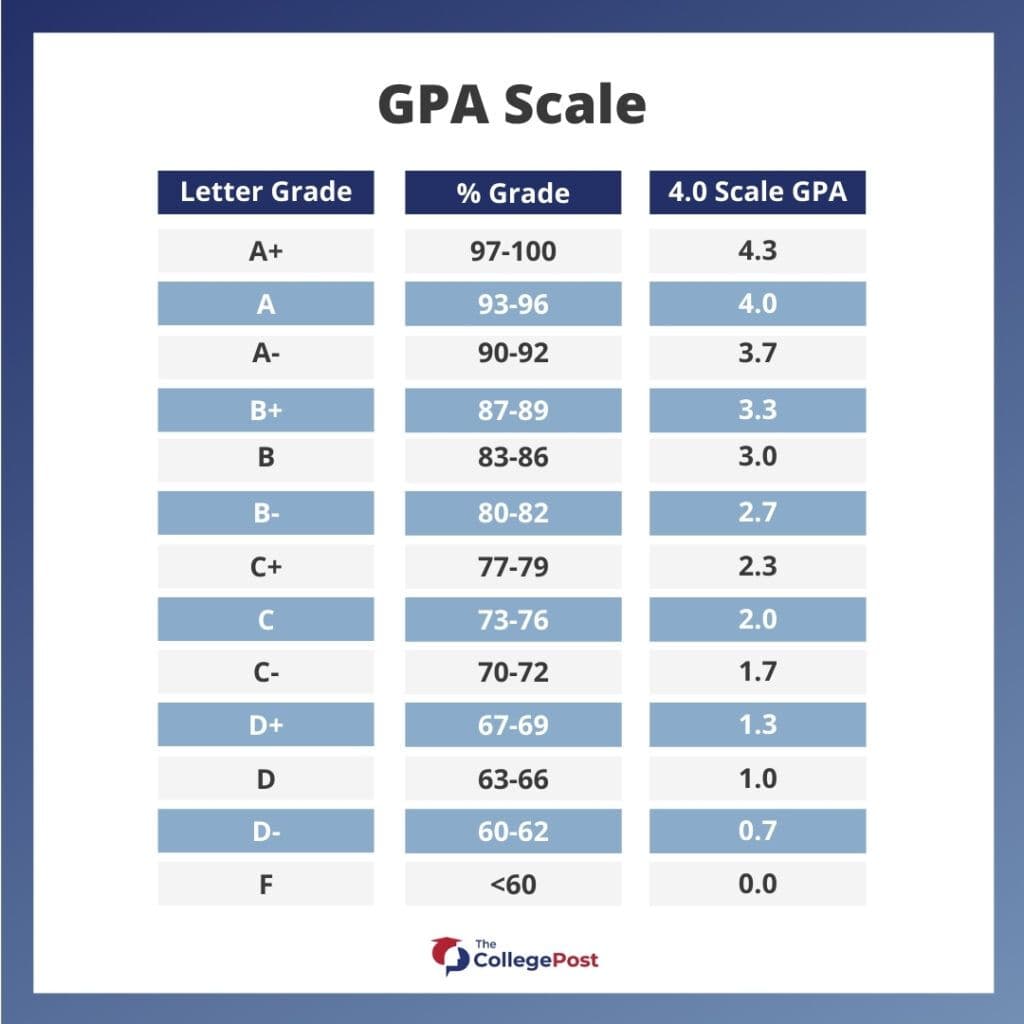
How to Meet the GPA Requirements for Cum Laude Honors
Graduating with cum laude feels like a small trophy you can hang on the wall—a neat acknowledgment that the years of late‑night studying paid off. But the path to that honor isn’t the same at every university, and the numbers behind it can be a little fuzzy. Below we untangle what “cum laude” really means, the GPA ranges most schools use, and a handful of practical steps to keep your grade point average where it belongs.
What Does Cum Laude Actually Signify?
In the Latin honors system, cum laude (with praise) sits at the entry level, followed by magna cum laude (with great praise) and summa cum laude (with highest praise). It’s a badge of academic distinction that appears on diplomas, transcripts, and sometimes even on job applications.
The exact prestige varies—some schools treat it as a modest nod, while others reserve it for the top 15 % of the class. Regardless of the nuance, a solid GPA is the common denominator.
Typical GPA Benchmarks Across Institutions
There’s no universal rulebook, but most colleges fall into a few recognizable bands:
- 4.0‑scale schools (most U.S. universities): cum laude usually starts around 3.5‑3.7.
- Weighted GPA systems that add extra points for honors or AP courses: the threshold can dip to 3.3‑3.5 because the scale stretches to 5.0.
- European credit‑point systems (e.g., the UK’s 2:1): a GPA equivalent of roughly 3.3‑3.5 maps to cum laude‑level performance.
That said, you’ll often find the exact cut‑off listed in the university catalog or posted on the registrar’s website. A quick check can save you from the “I thought I made it” surprise.
Why the Numbers Aren’t Set in Stone
A few factors push the GPA ceiling up or down, and they differ from campus to campus:
Class Size and Distribution
When a senior class is exceptionally strong, some schools raise the bar to keep the honor truly selective. Conversely, a smaller cohort might see a lower threshold simply because there aren’t enough high‑scoring students.
Program‑Specific Standards
Engineering and pre‑medical tracks often demand higher averages due to rigorous coursework, while liberal arts majors sometimes have a more lenient cutoff.
Policy Changes Over Time
Institutions occasionally adjust the GPA range to align with national trends or internal strategic goals. A policy shift can happen between your junior and senior year, so stay in the loop.
Practical Ways to Keep Your GPA Cum Laude‑Ready
Even if the math feels intimidating, a few habits can make a big difference. Think of them as small tweaks rather than grand gestures.
- Prioritize core courses early: Your freshman and sophomore semesters usually carry the heaviest credit load. Nailing those grades sets a solid foundation.
- Leverage office hours: A quick chat with a professor can clarify a confusing concept and, more often than not, boost your performance on the next assignment.
- Form study groups wisely: Choose peers who push you, not those who distract you. A focused 2‑hour session beats eight hours of solo cramming.
- Track your GPA continuously: Use your student portal’s calculator, or an app, to see how each grade moves the needle. Adjust your course load if you spot a dip early.
- Take advantage of grade‑replacement policies: Some schools let you retake a class to improve the grade that counts toward the GPA. Know the deadlines.
Common Misconceptions About Cum Laude
People often mix up the honor with other accolades, leading to unnecessary stress. Let’s set the record straight.
- “I need a perfect 4.0 to graduate cum laude.” Nope. While a 4.0 looks impressive, most schools accept a range that tops out well below perfection.
- “Graduate with cum laude, then I’m set for any job.” The honor helps, but recruiters still look at internships, projects, and soft skills.
- “My GPA drops a tiny bit in senior year, and I lose the honor.” Typically, the cumulative GPA is what matters, not a single semester’s dip—unless the drop is drastic.
Quick Reference: GPA Ranges by School Type
| School Type | Typical Cum Laude GPA | Notes |
|---|---|---|
| Public 4‑point universities | 3.5 – 3.7 | May vary by department |
| Private institutions (weighted) | 3.3 – 3.5 | AP/Honors courses add extra points |
| Community colleges (transfer) | 3.2 – 3.4 | Often based on Associate degree GPA |
| International (UK/Europe) | ≈ 3.3 – 3.5 | Equivalent to 2:1 classification |
Staying Informed: Where to Find Your School’s Exact Cutoff
Because the numbers can shift, treat the following as your go‑to checklist each semester:
- Student handbook or academic catalog (usually downloadable as PDF).
- Registrar’s office website—look for “Latin Honors” or “Graduation Requirements”.
- Advisors or department heads—ask them directly; they often know the latest tweaks.
- Alumni forums—students who recently graduated share their experience with criteria.
Keeping one bookmarked page saves you from hunting through endless PDFs when deadlines loom.
Final Thought (but not a summary)
If you’re aiming for cum laude, the journey is as much about consistency as it is about hitting a specific number. A little foresight, a dash of disciplined study, and the habit of checking your progress will keep the GPA target well within reach. The honor itself is a nice feather in your cap; the real payoff is the study habits you’ve built along the way.