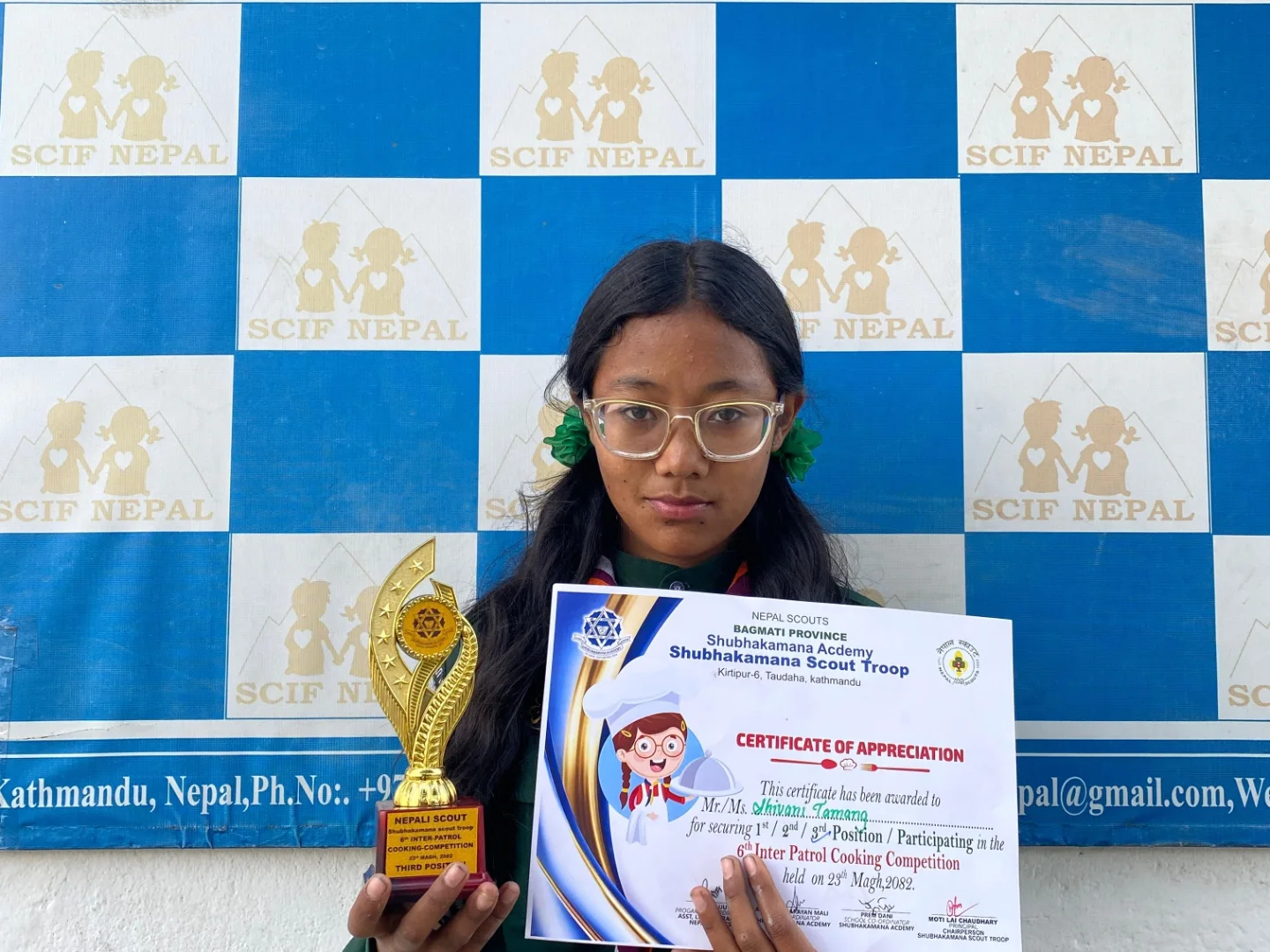
How to Navigate Nepal’s School Competitions: A Student’s Guide
Whether you’re eyeing a science fair, a literary contest, or a sports tournament, Nepal school competitions offer a platform to showcase talent and build confidence. For many students, the first step can feel overwhelming—what’s available, how to sign up, and what preparation really looks like? This guide breaks down the landscape, offers practical tips, and points you toward resources that can turn a nervous first entry into a rewarding experience.
Understanding Nepal School Competitions
In Nepal, competitions span academics, arts, technology, and athletics, often organized by schools, NGOs, or government bodies. The most visible events include the National Mathematics Olympiad, the All‑India Inter‑School Quiz, and the Kathmandu International Poetry Festival. While some contests are nationwide, others are regional, giving students in remote districts a chance to compete locally before moving onto a larger stage.
What Types of Competitions Are Common?
Here’s a quick snapshot of the categories you’ll encounter:
- Academic challenges: Olympiads in math, physics, chemistry, and biology; debate and essay contests; spelling bees.
- Creative arts: Painting, photography, music, dance, and drama competitions organized by cultural foundations.
- Technology and innovation: Coding hackathons, robotics leagues, and “Make‑It‑Yourself” engineering fairs.
- Sports and outdoor events: Inter‑school football, athletics meets, and adventure races that highlight Nepal’s rugged terrain.
Each category has its own rhythm. Academic contests usually follow a written test followed by an oral interview, whereas arts festivals might involve a live performance or a portfolio review.
How to Choose the Right Competition for You
Start by asking three simple questions: What are you passionate about? How much time can you realistically devote to preparation? And what level of challenge feels motivating rather than discouraging? Matching your answers with the competition’s focus helps you avoid the trap of signing up for something that feels like a chore.
Next, consider the eligibility criteria. Some events are open to all grades, while others target specific year levels—like the Grade 8 Science Expo. If the rules are unclear, a quick email to the organizing committee usually clears things up.
Finally, think about the benefits beyond the trophy. Many contests offer scholarships, internships, or mentorship opportunities. Even if you don’t win, the exposure can open doors to future academic programs or extracurricular clubs.
Preparing Effectively: From Planning to Practice
Once you’ve settled on a competition, draft a timeline. Break the preparation into weekly goals: research the topic, gather materials, rehearse, and schedule mock evaluations. For example, a student aiming for the National Math Olympiad might allocate two weeks to mastering geometry, one week to problem‑solving drills, and another for timed practice tests.
Don’t underestimate the value of peer feedback. Form a study group with classmates who share similar interests; explaining concepts to others reinforces your own understanding. If you’re entering a performance‑based contest, record practice sessions and watch them with a critical eye—or ask a teacher for constructive criticism.
Balancing schoolwork and competition prep can be tricky. Use a planner or digital calendar to block out dedicated study slots, and treat those blocks like any other class. Consistency, even in short bursts, often beats cramming the night before.
Tips for Success During the Event
On the day of the competition, a few habits can keep nerves at bay. Arrive early to familiarize yourself with the venue, locate restrooms, and test any equipment you’ll use. Bring a small “comfort kit”—water, a snack, and a few breath‑mints—to stay refreshed.
If the format includes an oral component, pause before answering to collect your thoughts. A brief, structured response—state the main idea, give supporting details, and conclude—makes a strong impression.
Remember that judges are looking for potential, not perfection. Mistakes happen; what matters is how you recover. A calm, confident demeanor often outweighs a flawless but rigid presentation.
Resources and Support Networks
Many schools in Nepal maintain a “competition committee” that curates upcoming events and provides mentorship. If your school lacks such a group, consider reaching out to local NGOs like the Nepal Education Foundation or the International Youth Foundation, both of which publish calendars of contests.
Online platforms can also be a goldmine. Websites like Competition Nepal aggregate national and regional events, while forums on Facebook and Reddit let students share tips and study materials. For technical contests, sites like Codeforces and Kaggle host practice problems that mirror competition standards.
Lastly, don’t forget the power of family support. Parents can help with logistics—transport, registration fees, and moral encouragement—so you can focus on the work itself.
Frequently Asked Questions
What is the typical age range for Nepal’s national Olympiads?
Most national Olympiads target students in grades 8 to 12, though some, like the Primary Math Challenge, welcome participants as young as grade 4.
How can I find out about upcoming school competitions?
Check your school’s notice board, subscribe to newsletters from the Ministry of Education, and follow local NGOs on social media. Dedicated competition websites also update calendars regularly.
Do I need to pay a registration fee?
Many contests are free, especially those run by government agencies. Private organizers may charge a modest fee to cover materials or venue costs—always verify the amount before committing.
What should I do if I’m nervous before a performance?
Practice deep‑breathing exercises, visualize a successful outcome, and remind yourself that judges appreciate effort and growth over flawless execution.