How to Navigate Peer Pressure at School: A Practical Guide
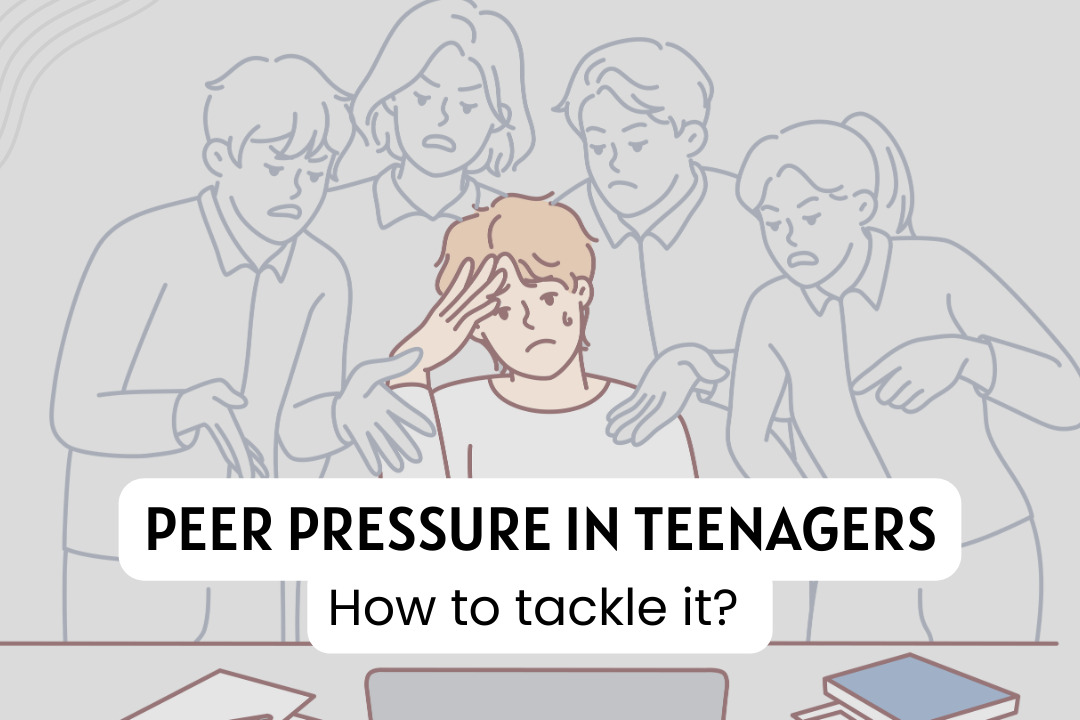
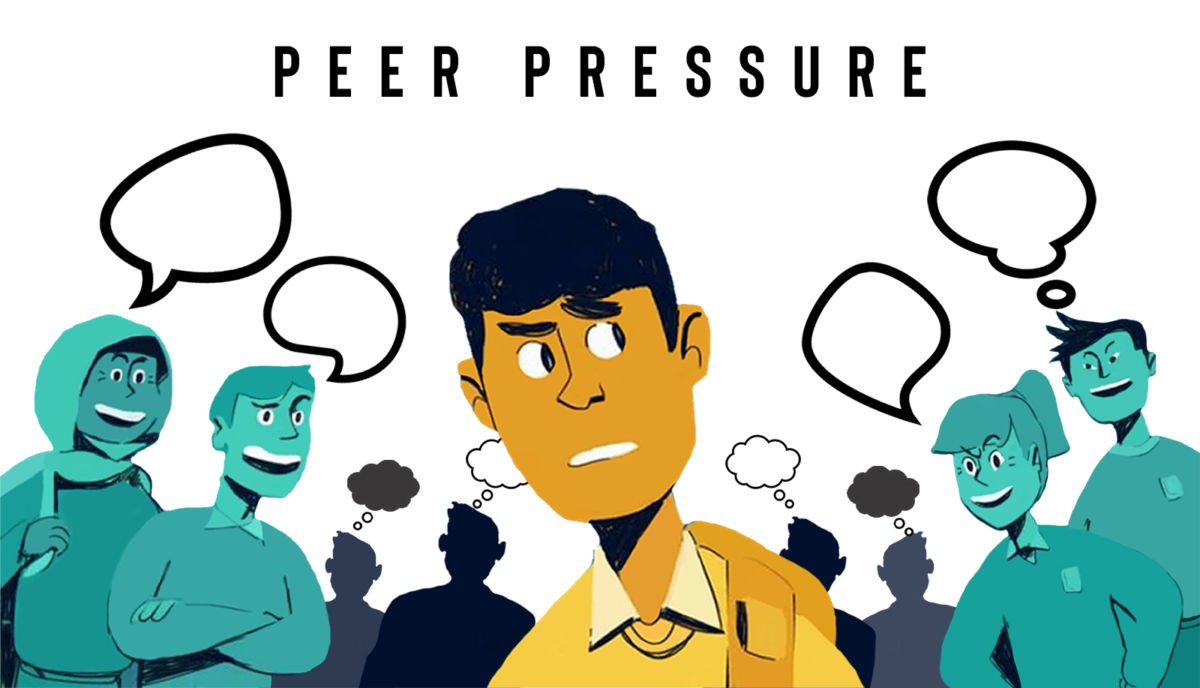
Peer pressure is an invisible force that can shape choices, moods, and even self‑esteem during the school years. Whether it’s the urge to join a risky prank, wear the “right” brand, or skip a study session, the pressure to fit in feels real enough to affect grades and friendships. This guide unpacks why the pressure exists, offers concrete ways to stay true to yourself, and shows how you can turn the tide without alienating the people around you.
Understanding Peer Pressure in School
At its core, peer pressure is the desire to gain acceptance from a group that matters to you. In a classroom or hallway, the “group” might be a sports team, a club, or simply a circle of friends who share the same lunch table. The pressure isn’t always overt—sometimes a quiet nod, a subtle laugh, or a shared meme can signal what’s expected.
Research on adolescent development shows that the brain’s reward centers light up when teens feel included. That biological response explains why saying “yes” can feel easier than “no,” even when the request conflicts with personal values. Recognizing this push‑pull is the first step toward gaining control.
Strategies for Resisting Negative Influence
Resistance doesn’t mean rebelling for rebellion’s sake. It means making choices that align with your own goals. Below are practical tactics you can practice the next time a friend suggests something you’re uneasy about.
- Pause and assess. A quick mental check—“Does this align with my priorities?”—creates a buffer before you react.
- Offer an alternative. Instead of outright refusal, suggest a different activity that satisfies both parties.
- Practice assertive language. Phrases like “I’m not comfortable with that” or “I’d rather do something else” convey confidence without aggression.
- Visualize the outcome. Imagine how you’d feel a day later if you gave in versus if you stuck to your decision.
Build a Personal Value Compass
Identify three core values—honesty, health, learning, for example—that guide your decisions. Write them down and keep the list on your phone or in a notebook. When a situation arises, refer to the compass. If the request conflicts with any of those values, you have a ready‑made reason to decline.
Communicating Boundaries Effectively
Clear boundaries are the backbone of healthy relationships. They signal respect for yourself and for others. Here’s how to communicate them without feeling like the “party pooper.”
- Be direct, not defensive. Use “I” statements: “I feel uneasy when we skip class.”
- Stay consistent. Repeating the same boundary each time reinforces its importance.
- Acknowledge their perspective. “I get that you want to have fun, and I’m happy to hang out after homework.”
When peers see that you’re firm yet friendly, they’re more likely to respect your limits and may even admire your confidence.
Leveraging Support Networks
No one has to face pressure alone. Trusted adults—teachers, counselors, parents—can offer perspective and intervene when needed. Likewise, friends who share your values become allies.
Consider forming a “check‑in” group with a few classmates who also want to stay on track academically or avoid risky behavior. Meet briefly after school to discuss challenges and celebrate wins. The collective encouragement can dilute the intensity of a single peer’s influence.
Practical Day‑to‑Day Tips
Integrating these ideas into your daily routine makes them second nature. Below is a quick checklist you can keep on your locker or in a notes app.
- Start each morning with a brief affirmation of your values.
- Write down one situation you anticipate today where pressure might arise.
- Plan a response in advance—script it if that helps.
- After school, reflect: Did you stick to your boundaries? What worked?
Over time, you’ll notice a shift: decisions feel less like battles and more like extensions of who you are.
Frequently Asked Questions
What are common signs that I’m under peer pressure?
Typical cues include feeling a sudden urge to act against your better judgment, hearing repeated “everyone’s doing it” comments, or noticing a rise in anxiety when you think about saying “no.” If you catch yourself rationalizing risky behavior, that’s a red flag.
How can I say no without hurting a friendship?
Use respectful language and propose an alternative activity. For instance, “I’m not up for skipping study hall, but we could meet later for a game.” This shows you value the relationship while staying true to your limits.
Is it okay to seek help from teachers about peer pressure?
Absolutely. Teachers are trained to notice social dynamics and can intervene discreetly. Sharing your concerns with a trusted adult often leads to a safer environment for everyone.
Can peer pressure ever be positive?
Yes—when the group encourages healthy habits like studying together, joining a sports team, or volunteering. The key is to evaluate whether the influence supports your personal goals and values.