How to Navigate Treatment Options for Women with Autism
When autism meets the unique experiences of women, the picture looks different from the classic textbook description. Many women discover their diagnosis later in life, often after years of feeling “off‑beat” in social or workplace settings. Understanding the range of treatment options is the first step toward turning that lingering confusion into practical support.
Why Women’s Autism Looks Different
Research shows that hormonal cycles, social expectations, and masking behaviors shape how autism manifests in females. While a boy might display overt repetitive movements, a woman may internalize stress, leading to anxiety or chronic exhaustion. These nuances mean that a one‑size‑fits‑all approach to therapy rarely works.
Key Signs That May Have Been Missed
- Intense focus on specific interests that feel “obsessive” to others.
- Difficulty interpreting subtle social cues, especially in group settings.
- Camouflaging or mimicking neurotypical behavior to fit in.
- Sensory sensitivities that fluctuate with menstrual cycles.
Recognizing these patterns early can open the door to more tailored interventions.
Core Treatment Pillars
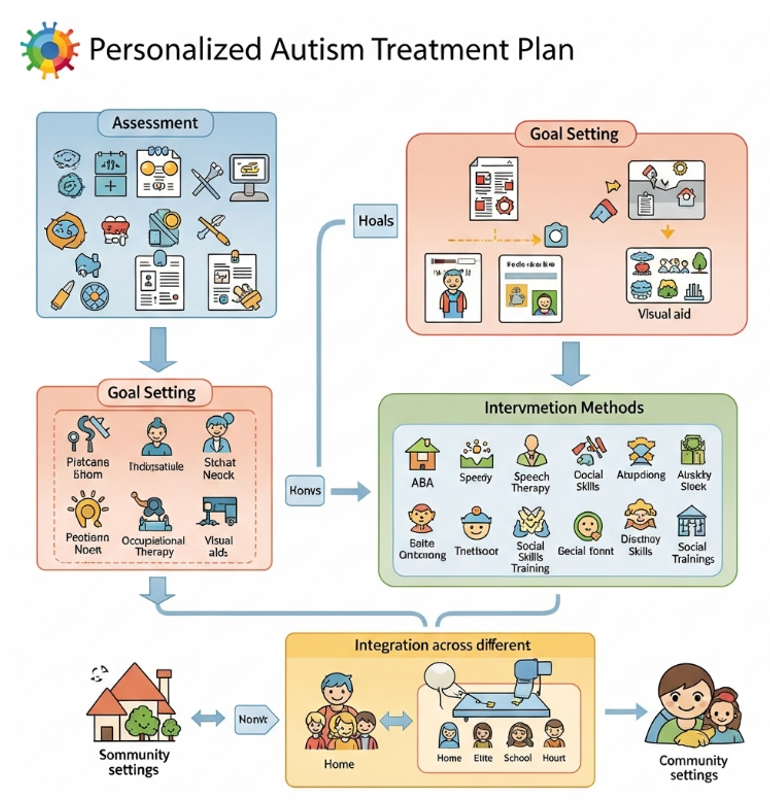
Most clinicians organize autism care around three main pillars: behavioral strategies, sensory support, and mental‑health management. Each pillar interacts with the others, so a balanced plan often yields the best results.
1. Behavioral and Social Skills Training
Programs such as Applied Behavior Analysis (ABA) have been adapted for adults and females, focusing less on “correcting” behavior and more on building confidence in real‑world situations. Social skills groups that emphasize role‑playing and peer feedback can feel safer when they acknowledge the pressure many women feel to “mask.”
2. Sensory Integration
Women with autism frequently report heightened reactions to noise, textures, or lighting—yet these sensitivities may ebb and flow with hormonal changes. Occupational therapists can craft personalized sensory diets, ranging from weighted blankets to scheduled “quiet breaks” during the workday.
3. Mental‑Health Support
Co‑occurring anxiety, depression, or eating disorders are common and deserve direct attention. Cognitive‑behavioral therapy (CBT) that incorporates autism‑specific adaptations—like concrete examples and visual aids—often feels more relatable. Medication may be considered for severe anxiety, but always in tandem with non‑pharmacological strategies.
Choosing the Right Professionals
Finding clinicians who understand the gendered nuances of autism can be a challenge. Here are some tips for building a supportive team:
- Seek providers who list autism or neurodiversity specialization on their profiles.
- Ask about their experience with adult women, not just children.
- Consider multidisciplinary clinics where a psychologist, occupational therapist, and speech‑language pathologist collaborate.
- Don’t shy away from asking for a trial session—fit matters as much as credentials.
Self‑Advocacy Tools
Even the best treatment plan can stumble without the individual’s voice at the table. Empowering women to advocate for themselves often involves a mix of practical resources and mindset shifts.
- Keep a symptom diary. Noting triggers, sensory overload moments, and mood shifts helps clinicians spot patterns.
- Use visual schedules. Whether on a phone app or a paper planner, visual cues reduce decision‑fatigue.
- Practice “unmasking” gradually. Safe spaces—like support groups or trusted friends—allow authentic expression without judgment.
Alternative and Complementary Options
Some women explore therapies beyond the conventional medical model. While evidence varies, a few approaches have garnered interest:
- Mindfulness and yoga for sensory regulation.
- Art or music therapy to channel intense interests.
- Dietary adjustments, such as low‑gluten or low‑casein trials, though these should be supervised by a nutritionist.
It’s wise to discuss any alternative route with a primary clinician to avoid conflicting treatments.
Building a Community Network
Isolation can deepen anxiety, especially when a woman feels she’s the only one navigating autism’s quirks. Online forums, local meetup groups, and neurodiversity‑focused organizations offer peer support that validates experiences and shares practical hacks.
Remember that community isn’t just about finding people who “get it.” It’s also about accessing resources—like job‑coaching programs or scholarships for further education—that specifically cater to women on the spectrum.
Putting It All Together
There’s no single road map for every woman with autism, but combining professional insight, personalized strategies, and supportive networks creates a sturdy foundation. Start with one small change—perhaps a weekly sensory break or a brief consultation with a therapist who understands gendered autism. From there, the options expand, and each step builds toward a more comfortable, authentic life.