How to Navigate Washington Funeral Home Obituaries Today
When a loved one passes, the first thing many families do is look for an obituary. In Washington, funeral homes play a central role not only in arranging services but also in publishing and managing obituaries online. Understanding how the process works can ease a lot of the stress that comes with grief.
What an Obituary Actually Is
An obituary is a brief public notice that announces a death, shares key biographical details, and often outlines the funeral or memorial arrangements. While the tone is respectful, it can also reflect the personality of the deceased—some families prefer a straightforward notice, others opt for a more storytelling style.
Where Washington Funeral Homes Publish Obituaries
Most funeral homes in Washington maintain a dedicated obituaries page on their website. These pages typically include:
- Full name, age, and date of death
- Brief life summary and notable achievements
- Service details (date, time, location)
- Directions and parking information
- Options for guests to leave messages or donations
In addition to the funeral home’s site, many families also post the notice on local newspaper websites such as The Seattle Times or The Spokesman-Review. Some choose third‑party platforms like Legacy.com, which aggregate notices from multiple providers.
How to Find a Specific Obituary
If you know the name of the funeral home, start by typing its name followed by “obituary” into a search engine. For example, “Evergreen Funeral Home obituary.” Most results will lead directly to the home’s obituary index.
When you land on the page, you’ll usually see a search bar—enter the deceased’s name or the date of service. If the site isn’t searchable, look for a list organized by month or alphabetically.
Tips for a Quick Search
- Check the local newspaper’s online archive; many papers cross‑post funeral home notices.
- Use quotation marks around the full name for more precise results.
- If you can’t locate the notice, call the funeral home’s office. A polite request often yields the exact URL.
What Information You Can Expect to See
While each funeral home tailors its template, the core sections remain fairly consistent. Here’s a quick rundown of what you’ll likely encounter:
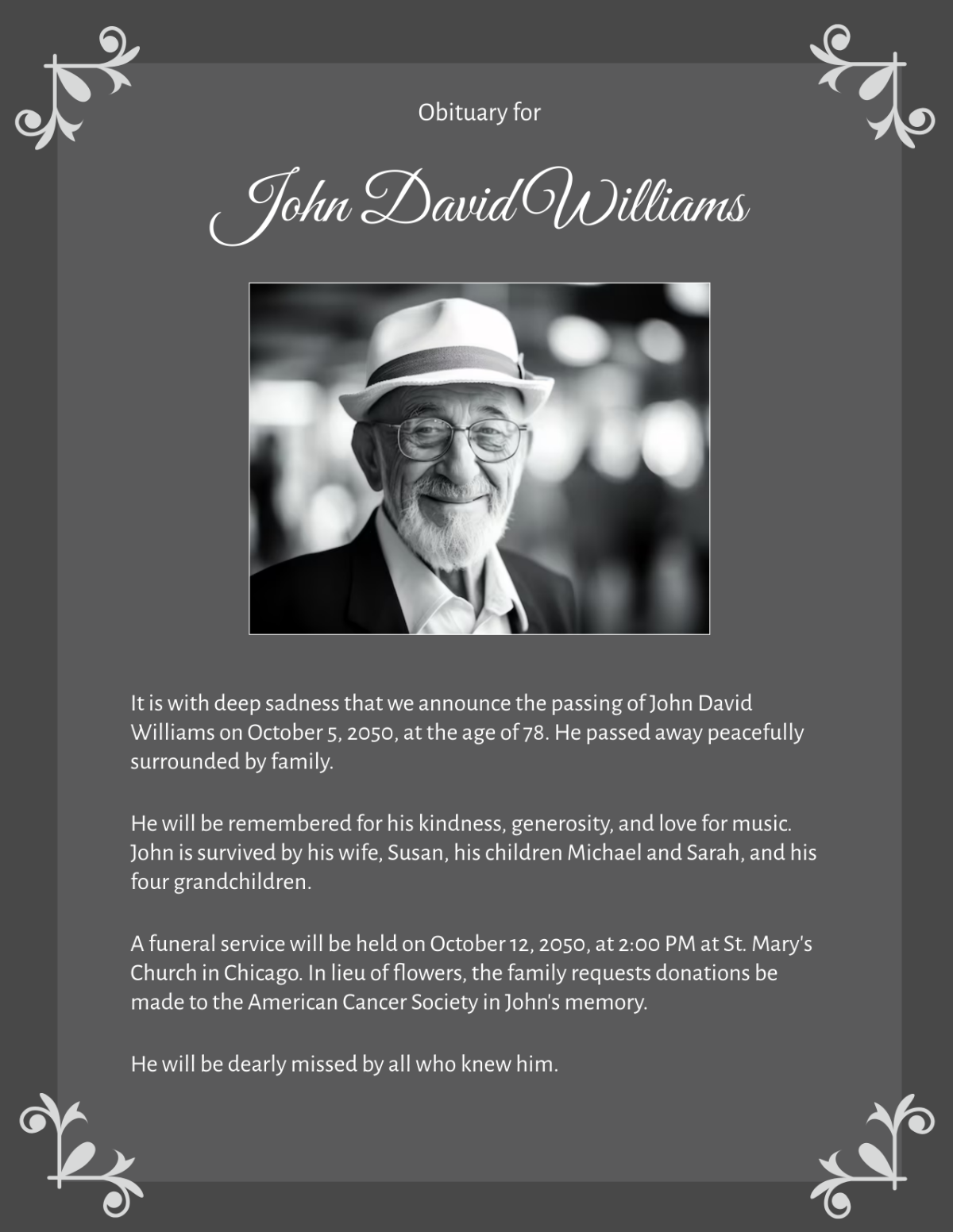
- Header: Full name, often with a photo.
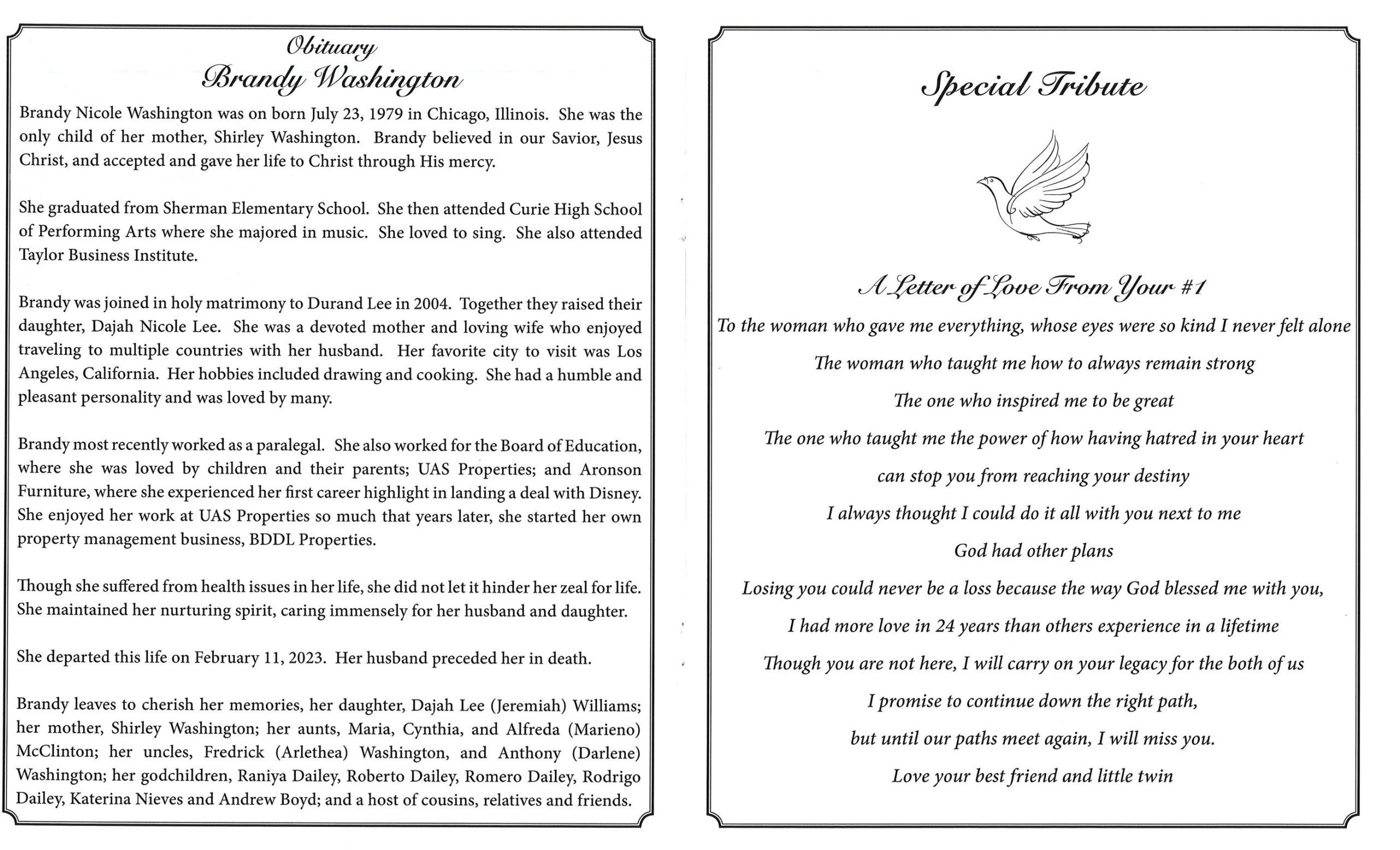
- Biographical Sketch: Birthplace, family members, career highlights.
- Service Details: Time, venue, and any special requests (e.g., dress code, RSVP).
- Memorial Contributions: Charitable organizations the family prefers for donations.
- Guest Book: A digital space for friends to leave condolences.
Submitting an Obituary
If you’re on the family side, most funeral homes provide an online form. You’ll need to gather:
- Full legal name and any nicknames
- Exact birth and death dates
- Names of immediate family members (spouse, children, parents)
- Brief life story—think of it as a mini‑resume mixed with personal anecdotes
- Service information and any preferred wording for the guest book
After the form is filled out, a staff member typically reviews it for accuracy and may suggest minor edits for clarity. Once approved, the obituary goes live within a day or two.
Understanding Privacy Concerns
Publishing an obituary is a public act, but families can control how much personal detail is shared. Most Washington funeral homes allow you to:
- Limit the display of the photo or omit it entirely.
- Exclude certain family members from the public record.
- Choose whether the guest book is open to all visitors or restricted to a password‑protected link.
When in doubt, ask the funeral home’s director about their privacy settings. They’re usually happy to accommodate reasonable requests.
Special Cases: Veterans and Religious Services
Obituaries for veterans often include additional information—military rank, branch, and any honors received. Funeral homes typically coordinate with the Department of Veterans Affairs to ensure proper citations.
Religious customs can also affect the obituary layout. For example, Buddhist services may list a chanting schedule, while a Catholic notice might mention a mass of requiem. Most homes have templates that respect these variations.
Keeping the Memory Alive After the Service
Many families appreciate that the online obituary can serve as a lasting tribute. A few ways to extend its life include:
- Sharing the link on social media and in email invitations.
- Printing a QR code to place on the program or at the memorial site.
- Encouraging guests to add photos or stories to the digital guest book.
Some funeral homes even offer a “memorial page” that stays up indefinitely, providing a centralized place for ongoing remembrances.
Common Questions and Quick Answers
Can I edit an obituary after it’s posted? Yes—in most cases, corrections can be made within 24–48 hours of the initial posting.
Is there a cost? Many funeral homes include obituary publishing in their service packages, though some charge a modest fee for online placement or newspaper insertion.
Do I need a formal photo? Not required, but a clear, respectful image helps readers recognize the person being honored.
Ultimately, the obituary is both a practical notice and a heartfelt tribute. Knowing where to look, what to expect, and how to contribute can make the process smoother for everyone involved. Whether you’re a grieving family member or a friend looking to pay respects, navigating Washington funeral home obituaries doesn’t have to be a mystery.