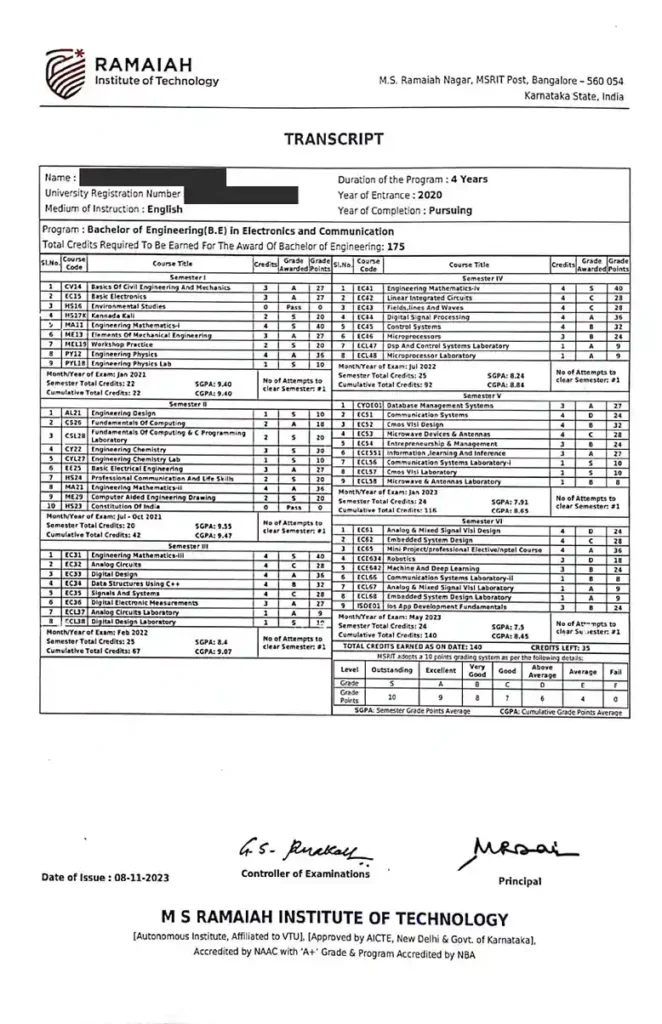
How to Obtain and Translate an Academic Transcript in English
When you apply for a scholarship, a job abroad, or a graduate program, the first thing most admissions officers or HR managers will ask for is an academic transcript in English. It may sound simple—just a piece of paper, right? In practice, gathering the right document, ensuring its authenticity, and getting a proper translation can feel like navigating a mini‑bureaucracy. This guide walks you through each step, from requesting the original record to presenting a polished, English‑ready version.
Why an English Transcript Matters
Most institutions outside your home country use English as the lingua franca for evaluation. A transcript in English eliminates the guesswork of interpreting grades, course titles, and credit systems that differ from one nation to the next. Moreover, many universities and employers require a certified translation to verify that nothing was lost—or added—during the conversion.
Step 1: Request the Original Transcript
Start at the source: your alma mater’s registrar office. Every university has its own procedure, but the basics remain the same.
- Identify the format. Some schools issue a sealed paper copy, others provide a digital PDF with a digital signature.
- Check the processing time. It can range from a few days to several weeks, especially during peak graduation seasons.
- Pay any fees. Even a modest administrative charge is common; keep the receipt for later proof.
- Specify the language. If the institution offers an English version directly, request it now to skip the translation step.
If your university does not produce an English version, you’ll need to move on to the translation stage.
Step 2: Choose a Certified Translator or Agency
Not all translations are created equal. A “certified translation” typically means the translator is recognized by a professional body and can attach a signed statement of accuracy.
What to Look For
- Accreditation. Verify that the translator belongs to a recognized association (e.g., ATA in the United States, ITI in the UK).
- Specialization. Academic documents require familiarity with educational terminology, grading scales, and credit systems.
- Turnaround time. Ask for an estimate; rushed jobs often cost more.
- Confidentiality. Ensure they sign a non‑disclosure agreement, especially if your transcript contains sensitive data.
Most agencies will request a scanned copy of the original transcript, along with a clear photo of the official seal or signature. They’ll then return a PDF that mirrors the layout of the source document, plus a notarized statement attesting to its fidelity.
Step 3: Authenticate the Translation
Some universities require a “apostille” or a notarized certification. Here’s how to decide which one you need:
- Apostille. Required when the receiving country is a signatory to the Hague Convention. You’ll send the translated document to your local authority (often a court or foreign affairs office) for the stamp.
- Notarization. Used in cases where the receiving institution prefers a local notary public’s seal instead of an apostille.
- Both. Occasionally, a double‑certified document—first notarized, then apostilled—adds an extra layer of assurance.
Check the specific requirements of the institution you’re applying to; they usually list accepted forms of verification on their website.
Step 4: Assemble the Final Package
When everything is in order, bundle the documents neatly. A typical submission package includes:
- The original sealed transcript (if requested).
- The English translation, bearing the translator’s certification.
- The apostille or notarization page.
- A cover letter briefly explaining what each document is.
- Any additional forms required by the receiving institution (e.g., an application checklist).
Keep a digital backup of each file. Some portals let you upload PDFs directly; having a ready‑to‑go version saves you from scrambling at the last minute.
Common Pitfalls and How to Avoid Them
Even seasoned applicants trip up now and then. Below are a few pitfalls and quick fixes.
- Missing seals or signatures. If the original transcript isn’t sealed, request a “sealed version” from the registrar before translation.
- Incorrect grading scale conversion. Some translators simply write the raw grade; ask them to include a note that explains the local grading system (e.g., 4.0 GPA vs. 10‑point scale).
- Overlooking deadline extensions. When you’re waiting on an apostille, factor in extra mailing time; request an extension if needed.
- Using unofficial translation tools. Online machine translations look neat but lack the legal weight required by most institutions.
Quick Checklist Before You Hit Send
- Original transcript requested and received.
- English translation completed by a certified professional.
- Authentication (apostille or notarization) attached.
- All documents packaged according to the receiving institution’s guidelines.
- Digital copies backed up and ready for upload.
Cross‑checking each item against this list can spare you a weekend of frantic phone calls.
When Things Go Awry
If the institution rejects your transcript, don’t panic. Usually, the rejection notice pinpoints the issue—be it a missing seal, an unclear translation, or an expired apostille. Reach out promptly, correct the specific problem, and resubmit. Most schools understand that international paperwork can be tricky and are willing to work with you.
Final Thought
Getting an academic transcript in English is rarely a one‑click affair, but it doesn’t have to be a nightmare. By following the steps above—requesting the original, choosing a qualified translator, securing the proper authentication, and double‑checking the final bundle—you’ll present a document that speaks the same language as the admissions officers or hiring managers reviewing your file. A little foresight now means a smoother application process later.