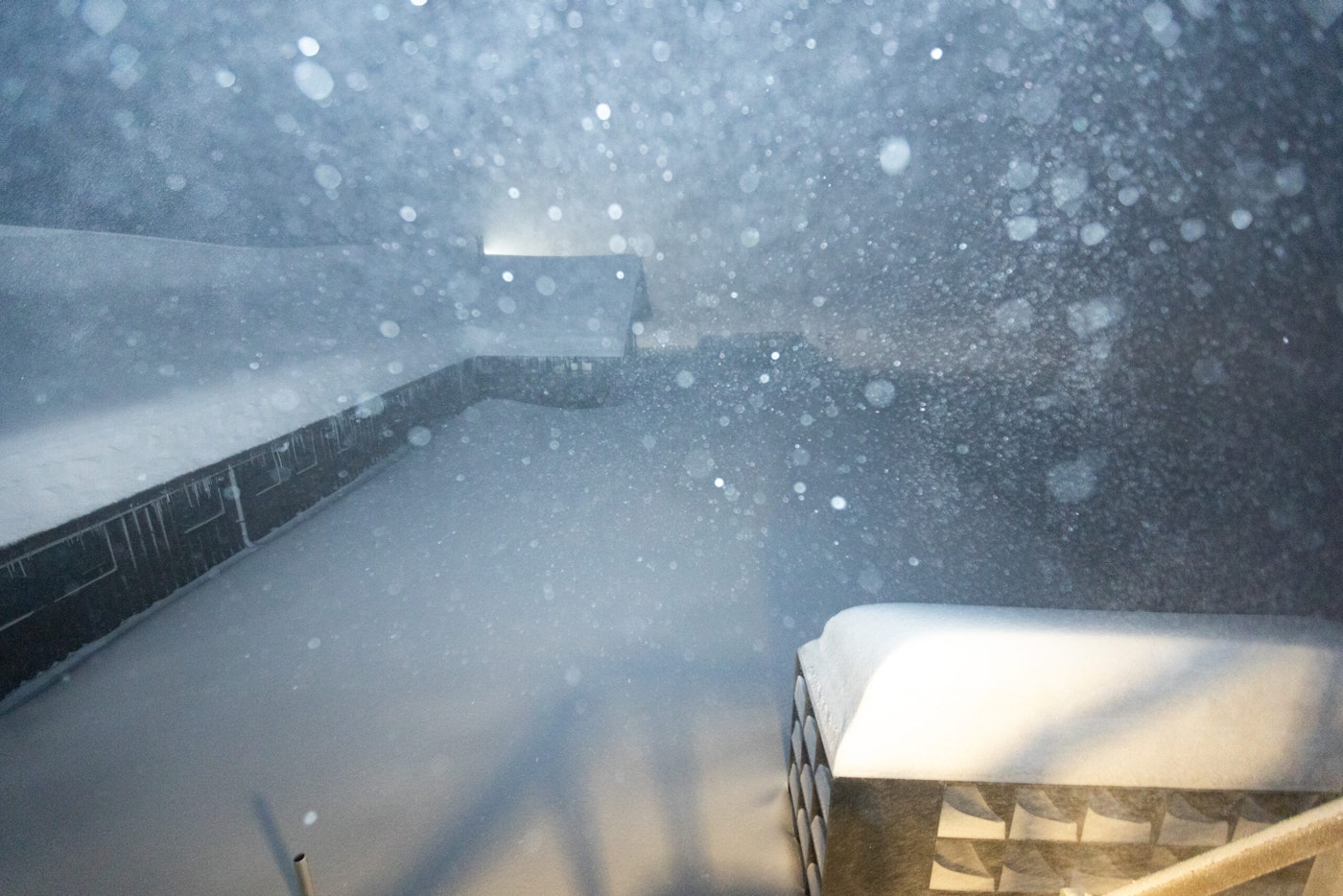
How to Prepare for an Upcoming Snow Storm and Stay Safe
Winter loves to surprise us, and a fresh snowstorm on the horizon is no exception. Whether you’re a seasoned snowbird or someone who’s only seen a few flakes, a little forethought can turn a potentially stressful day into a manageable one. Below we’ll walk through the practical steps you can take—today and tonight—to keep yourself, your home, and your loved ones out of trouble.
Assess the Situation Early
Before you even think about shovels, check reliable weather sources. A few key details matter:
- Estimated arrival time: Knowing whether the storm hits at 3 a.m. or mid‑afternoon changes your schedule.
- Snowfall totals: A half‑inch versus a foot of snow calls for different preparations.
- Wind speed and direction: Strong gusts can cause drifting, making even modest amounts of snow a hassle.
Most national weather services now offer push notifications—sign up for them so your phone can be a silent alarm.
Secure Your Home
Cold air and moisture love to sneak through the tiniest gaps, so a quick seal‑up can save both heat and money.
Doors and Windows
- Slide weatherstripping onto door frames; a simple rubber seal can cut heat loss by up to 20 %.
- Cover windows with clear plastic film; it adds an insulating barrier while still letting light through.
Roof and Gutters
If you’re comfortable with a ladder, clear leaves and debris from gutters now. A clogged gutter can overflow, leading to ice dams that stress roof shingles.
Heating System Check
Turn the thermostat up a degree or two before the storm hits. Test your furnace or heat pump—listen for odd noises, and replace the filter if it looks clogged. A well‑maintained system runs more efficiently and is less likely to break down when you need it most.
Gather Essential Supplies
Think of it as a “storm kit” you’d bring on a camping trip, but tailored to staying inside.
- Food and water: Non‑perishable items—canned beans, pasta, granola bars—and at least one gallon of water per person for three days.
- Medical basics: Prescription meds, a first‑aid kit, and over‑the‑counter pain relievers.
- Power backup: Flashlights (LEDs are best), extra batteries, a battery‑powered radio, and, if possible, a small generator.
- Warmth: Extra blankets, thermal socks, and a spare set of warm clothing.
Store everything in an easily accessible spot—perhaps a hallway cabinet—so you don’t have to rummage through the house in the dark.
Plan for Transportation
If you must be on the road, preparation is non‑negotiable.
- Fill your gas tank before the storm; stations may close early.
- Keep a winter emergency bag in the car: a shovel, sand or kitty litter for traction, a blanket, and a fully charged phone charger.
- Consider alternative routes in case main roads become impassable.
When the forecast calls for hazardous conditions, the safest choice is often to stay put. If you can, work from home or arrange a flexible schedule.
Protect Your Vehicles
Even if you’re not driving, your car deserves a little love.
- Cover the windshield with a sheet or a commercial snow cover. It saves you from scraping ice in the morning.
- Raise the windshield wipers so they don’t freeze to the glass.
- Apply a thin layer of petroleum jelly to door seals; this helps keep out moisture.
Stay Connected and Informed
During a snowstorm, power outages can knock you off the grid. Here’s how to stay in the loop:
- Charge all devices fully before the storm.
- Use a hand‑crank or solar charger as a backup.
- Check local authorities’ social‑media feeds for road closures and shelter information.
Remember that text messages often get through even when voice calls don’t, so consider setting up a group chat with family members.
Maintain Safety Inside the Home
A few small habits can prevent bigger problems.
- Carbon monoxide awareness: Never run a car or gasoline generator inside a garage, even with the door open.
- Fire safety: Keep a fire extinguisher within reach, especially if you’re using a space heater.
- Ventilation: If you’re using a wood‑burning stove, ensure the chimney is clear to avoid smoke buildup.
After the Storm: What to Do Next
The snow may look beautiful, but the work begins once it stops falling.
- Clear driveways and sidewalks promptly to prevent ice from forming.
- Check for roof damage—heavy, wet snow can cause sagging.
- Inspect gutters for ice dams; a gentle tap with a roof rake can release trapped meltwater.
- Warm up gradually; avoid turning the heat up too quickly, which can strain the furnace.
Take a moment to thank everyone who helped—neighbors who shoveled a path for you, friends who dropped off a hot meal, or a utility crew that restored power. Community spirit is often the hidden hero of winter weather.