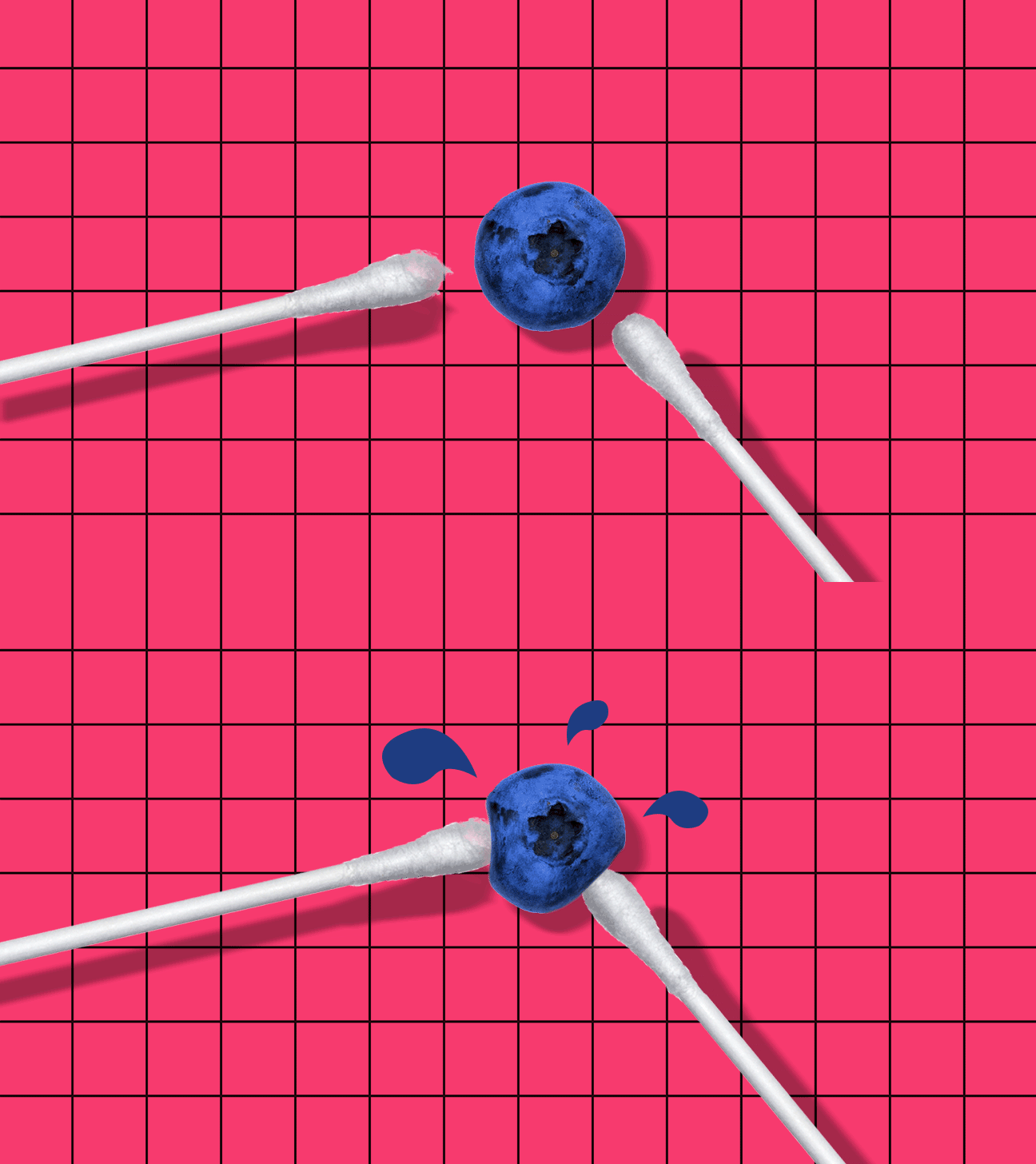
How to Prevent Pimples From Bursting When You Pop Them
We’ve all been there – that stubborn spot staring back at us in the mirror, begging for a quick pop. The temptation is strong, but the aftermath can be a mess. Understanding why a pimple sometimes “explodes” and learning how to keep it intact can save you from scars, redness, and a lot of frustration.
Why Some Pimples “Explode”
A pimple isn’t just a random bump; it’s a tiny, pressurized sack filled with sebum, dead skin cells, and bacteria. When the sack’s wall is thin or the contents swell too much, the pressure can exceed the skin’s ability to hold it together, causing a sudden rupture.
Not every blemish behaves the same way. A superficial whitehead may stay firm under gentle pressure, while a deeper, inflamed papule or a cystic lesion is far more likely to burst at the slightest squeeze.
The Science Behind the Burst
Think of a pimple as a balloon. The oil and cells inside create internal pressure, and the surrounding skin acts as the balloon’s skin. As inflammation kicks in, the walls become softer and weaker. If you apply force faster than the skin can stretch, the “balloon” pops.
- Pressure buildup: Sebum production spikes, raising internal tension.
- Inflammation: Swelling stretches the skin, thinning its barrier.
- Location: Areas with thinner skin (like the cheeks) are more vulnerable.
Risks of Letting a Pimple Burst
A ruptured pimple doesn’t just leave a temporary red spot. The open wound can invite bacteria, leading to infection. Moreover, the trauma often triggers excess collagen production, which may turn into a stubborn scar or dark spot that lingers for months.
Sometimes the burst spreads the oily contents into surrounding tissue, turning a single blemish into a mini‑inflamed patch that’s harder to treat.
How to Avoid Unwanted Bursting
Preventing a pop from turning into an explosion starts with a solid skincare routine. Cleanse twice daily with a gentle, non‑comedogenic cleanser, and consider a mild exfoliant a few times a week to keep pores clear.
Targeted spot treatments can also reduce pressure from the inside. Ingredients like benzoyl peroxide or salicylic acid help dissolve the clog, lowering the risk of sudden rupture.
Safe Popping: When It’s Actually Okay
If you must pop a lesion, do it with care. Follow these steps to keep the pressure steady and the skin intact:
- Wash your hands thoroughly; use an alcohol‑based sanitizer.
- Disinfect a small needle or comedone extractor.
- Apply a warm compress for 5‑10 minutes to soften the pore.
- Gently press around the pimple—don’t jab directly at the center.
- If clear fluid surfaces, let it drain naturally; don’t force it out.
- Afterward, apply a soothing toner with witch hazel or aloe, then a light moisturizer.
When you feel resistance, stop. Forcing a stubborn spot usually ends in a burst and a longer healing time.
Alternatives to Popping
Sometimes the best approach is simply to leave it alone. A warm compress alone can encourage the pimple to drain gradually, reducing pressure without crushing the skin.
Other options include topical retinoids, which speed up cell turnover, and professional extraction performed by a dermatologist or licensed aesthetician.
When to Seek Professional Help
If you notice recurring cystic lesions that frequently burst or cause scarring, it’s time to book a dermatologist appointment. Professionals can offer treatments like corticosteroid injections, chemical peels, or laser therapy—methods that target the root cause rather than just the symptom.
Persistent acne that resists over‑the‑counter solutions often benefits from prescription‑grade medications, which can dramatically lower inflammation and prevent future explosions.
Quick Tips Recap
- Keep pores clean and exfoliated to lessen internal pressure.
- Use spot treatments with benzoyl peroxide or salicylic acid.
- Apply a warm compress before attempting any extraction.
- Only use sterile tools and gentle pressure; stop if you meet resistance.
- Consider professional help for deep, cystic, or repeatedly bursting lesions.