How to Quickly Find Accurate Stock Prices and Company Data
Whether you’re day‑trading, researching a long‑term investment, or just curious about how a favorite brand is performing, getting the right share‑price information fast can feel like a maze. The good news? You don’t need a crystal ball—just a handful of reliable tools and a bit of know‑how. Below is a practical walk‑through that strips away the jargon and points you straight to the numbers that matter.
Understanding Share Prices
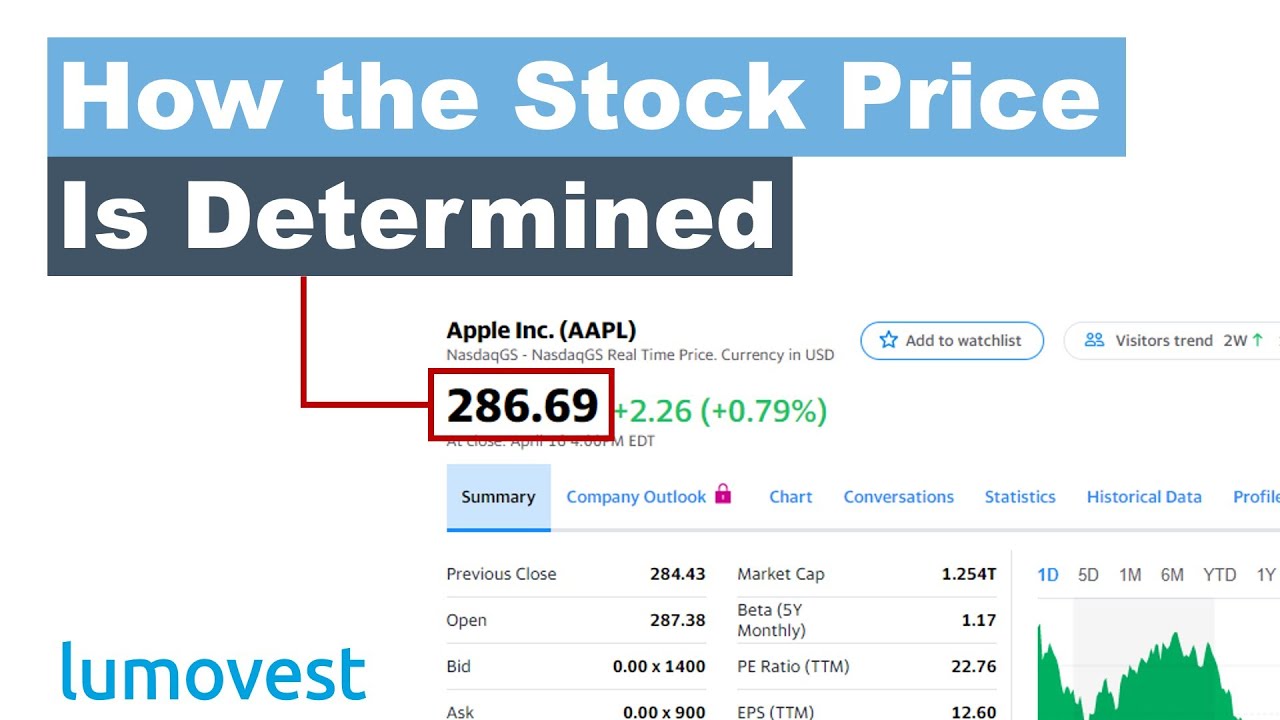
At its core, a share price is the market’s current valuation of one unit of a company’s equity. It’s not a static figure; it fluctuates minute by minute as buyers and sellers react to news, earnings reports, and broader economic shifts.
What’s often overlooked is that the price you see on a headline ticker is usually the last transaction price—not a forecast or a rating. In other words, it tells you where the market landed a few seconds ago, not where it will be tomorrow.
What Influences a Stock’s Price?
- Earnings releases: Better‑than‑expected profits can send a stock soaring, while a miss can do the opposite.
- Industry trends: A breakthrough in renewable energy, for example, may lift multiple companies in that sector.
- Macro events: Central‑bank rate changes or geopolitical tensions often ripple through all markets.
- Investor sentiment: Sometimes a rumor, even if unverified, can move a price more than solid fundamentals.
Keeping these drivers in mind helps you interpret the numbers rather than just copy them.
Where to Locate Reliable Stock Information
Not all data sources are created equal. Below are the platforms that consistently deliver up‑to‑date, trustworthy figures.
- Official exchange websites: NYSE, NASDAQ, LSE, etc., publish real‑time quotes for listed securities.
- Brokerage dashboards: If you already trade through a broker, their portal often aggregates live prices, historical charts, and key metrics in one place.
- Financial news sites: Bloomberg, Reuters, and MarketWatch provide a balance of price data and contextual news.
- Dedicated market apps: Mobile tools like TradingView or Yahoo Finance let you set alerts and watchlists on the go.
- Company filings: For deeper insight, the investor‑relations section of a firm’s website holds quarterly reports, earnings calls, and share‑holder presentations.
Tip: Cross‑check a price between at least two sources before making a decision. A fleeting glitch on one platform can be caught quickly this way.
Tips for Interpreting the Data
Seeing a number is only half the battle; extracting meaning is where the value lies.
- Look beyond the last price. Check the day’s high and low, volume traded, and the price‑to‑earnings (P/E) ratio for context.
- Use moving averages. A 50‑day or 200‑day average can smooth out short‑term noise and reveal trends.
- Watch the order book. Bid‑ask spreads give a sense of liquidity—tight spreads usually mean a more active market.
- Compare with peers. A stock that appears cheap on its own may be high relative to industry averages.
Remember, no single metric tells the whole story. A balanced view comes from layering several indicators together.
Common Pitfalls to Avoid
Even seasoned investors slip up now and then. Here are a few traps that can turn a solid research session into a costly mistake.
- Relying on delayed data. Some free sites lag by 15‑20 minutes, which can be critical during volatile moments.
- Ignoring currency conversion. If you’re tracking a foreign stock, the quoted price isn’t the final amount you’ll pay once exchange rates are applied.
- Chasing headlines. A sensational news piece may inflate a price temporarily; always verify with the underlying fundamentals.
- Overlooking fees. Brokerage commissions, spreads, and possible taxes can erode the apparent profit from a price swing.
By keeping these warnings in mind, you’ll stay a step ahead of the noise.
In practice, the fastest way to stay informed is to set up a personalized watchlist on a platform you trust, enable real‑time alerts for price moves that matter to you, and regularly skim the company’s own releases. With those habits, the maze of share‑price information becomes a well‑marked path rather than a blind alley.