How to Recognize and Manage Thumb Swan Neck Deformity
Ever caught a glimpse of a thumb that seemed to bend backward in a graceful, yet unsettling way? That’s the classic picture of a swan‑neck deformity of the thumb—a condition that can puzzle both patients and clinicians. Below we break down what it looks like, why it happens, and what you can actually do about it.
What Exactly Is a Thumb Swan‑Neck Deformity?
In plain terms, the thumb’s interphalangeal (IP) joint hyper‑extends while the metacarpophalangeal (MCP) joint flexes. The result is a “swan‑like” curve that is unmistakable once you know where to look. It isn’t just a cosmetic quirk; the altered mechanics can interfere with gripping, buttoning, and many everyday motions.
The Anatomy in a Nutshell
- IP joint: The joint at the tip of the thumb, meant to flex and extend smoothly.
- MCP joint: The base joint that normally allows the thumb to oppose the fingers.
- Tendons and ligaments: Imbalance—often between the extensors (EPL) and flexors (FPL)—drives the abnormal posture.
Why Does It Happen?
There isn’t a single culprit. Most cases stem from a mix of structural and functional factors:
- Rheumatoid arthritis – inflammatory damage erodes joint stability, letting the IP joint pop into hyper‑extension.
- Trauma or chronic overuse – repeated stress can stretch the extensor tendon, weakening its control.
- Congenital ligament laxity – some people are born with looser connective tissue, predisposing them to the deformity.
Often, the condition creeps in slowly, making it easy to dismiss until functional loss becomes noticeable.
Spotting the Signs Early
Because the thumb is such a workhorse, even subtle changes feel glaring. Look for these clues:
- Visible hyper‑extension of the thumb tip when the hand is relaxed.
- Difficulty holding a pen or using a smartphone.
- Pain or a burning sensation around the IP joint, especially after prolonged activity.
- Swelling or warmth suggesting an inflammatory component.
If you notice any of these, a quick visit to a hand specialist can confirm the diagnosis and set a treatment plan in motion.
Non‑Surgical Management Options
Before jumping to the operating table, many clinicians try a cascade of conservative measures:
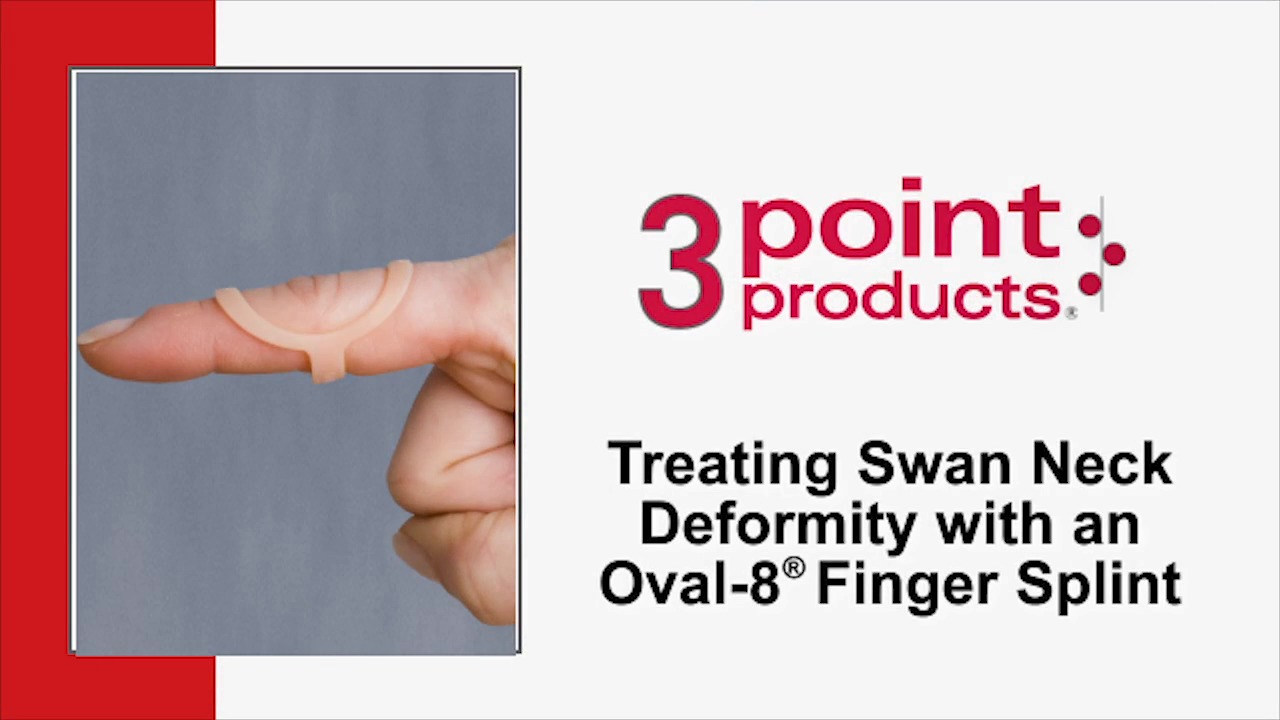
- Splinting: A custom thumb orthosis holds the IP joint in a neutral position, reducing stress on the structures.
- Physical therapy: Targeted exercises strengthen the flexor muscles and improve joint proprioception.
- Anti‑inflammatory meds: NSAIDs can ease pain and limit swelling, especially when arthritis is the driver.
- Heat & cold therapy: Alternating warm packs and ice can soothe stiff joints and reduce swelling.
Results vary, but a disciplined regimen often buys months—sometimes years—of functional comfort.
When Surgery Becomes the Consideration
If conservative care stalls or the deformity worsens, surgeons may discuss a few procedural routes:
- Tendon transfer: Re‑routing a healthy tendon to restore balanced forces across the thumb.
- Joint arthroplasty: Replacing the damaged joint surfaces, typically reserved for severe arthritis.
- Ligament reconstruction: Tightening lax ligaments to prevent the hyper‑extension.
Each option carries its own recovery timeline and risk profile, so a thorough conversation with your surgeon is essential.
Living with a Thumb Swan‑Neck Deformity
Whether you opt for therapy or surgery, day‑to‑day adjustments can make a big difference:
- Use ergonomically designed tools—think thicker pens or adaptive kitchen gadgets.
- Practice “joint protection” techniques: keep the thumb in a neutral posture when possible.
- Incorporate regular stretching breaks if your work involves repetitive thumb motion.
Most people find that a blend of smart ergonomics and targeted exercises keeps the deformity from dominating their routine.
Key Takeaways
- The thumb swan‑neck deformity is a recognizable hyper‑extension of the IP joint with MCP flexion.
- Inflammatory arthritis, trauma, and ligament laxity are the chief contributors.
- Early detection and a structured non‑surgical program can often delay or avoid surgery.
- When surgery is needed, options range from tendon transfers to joint replacement, each tailored to the individual’s anatomy.
- Practical lifestyle tweaks play a surprisingly large role in maintaining hand function.