How to Recognize H1N1 Flu Symptoms and Follow CDC Prevention Guidelines
What Makes H1N1 Different From a Regular Flu?
When the 2009 pandemic hit, most people assumed it was just another strain of seasonal influenza. In reality, H1N1—sometimes called swine flu—carries a few quirks that can change how quickly it spreads and who suffers the worst effects. The virus targets the same respiratory tract as ordinary flu, but its genetic makeup allows it to hitch a ride in younger, healthier hosts more often than the classic strains that tend to hit seniors hardest.
That subtle shift matters because it influences everything from the warning signs you should watch for to the preventive steps the CDC recommends.
Key Symptoms to Watch For
Most of the classic flu symptoms appear with H1N1, yet a few patterns tend to stand out:
- Sudden fever—often spiking above 101°F (38.3°C) within hours.
- Dry cough that can become stubborn, especially at night.
- Sore throat and a feeling of rawness in the back of the mouth.
- Body aches that feel deeper than a typical muscle cramp.
- Fatigue that lingers longer than the usual “I need a nap” after a cold.
- Occasionally, gastrointestinal upset such as nausea or diarrhea—something you don’t see as often with regular flu.
These signs usually appear together, but it’s not unusual for one or two to dominate. If you notice a sudden fever coupled with a relentless cough, it’s wise to consider H1N1 alongside other respiratory infections.
When to Seek Medical Attention
Most healthy adults recover at home with rest and hydration. However, certain red flags call for professional care:
- Difficulty breathing or shortness of breath.
- Persistent chest pain or pressure.
- Confusion, sudden dizziness, or severe weakness.
- Symptoms that worsen after 48 hours instead of improving.
Children, pregnant people, and anyone with chronic conditions (asthma, diabetes, heart disease) should err on the side of caution and contact a healthcare provider early.
CDC’s Core Prevention Strategies
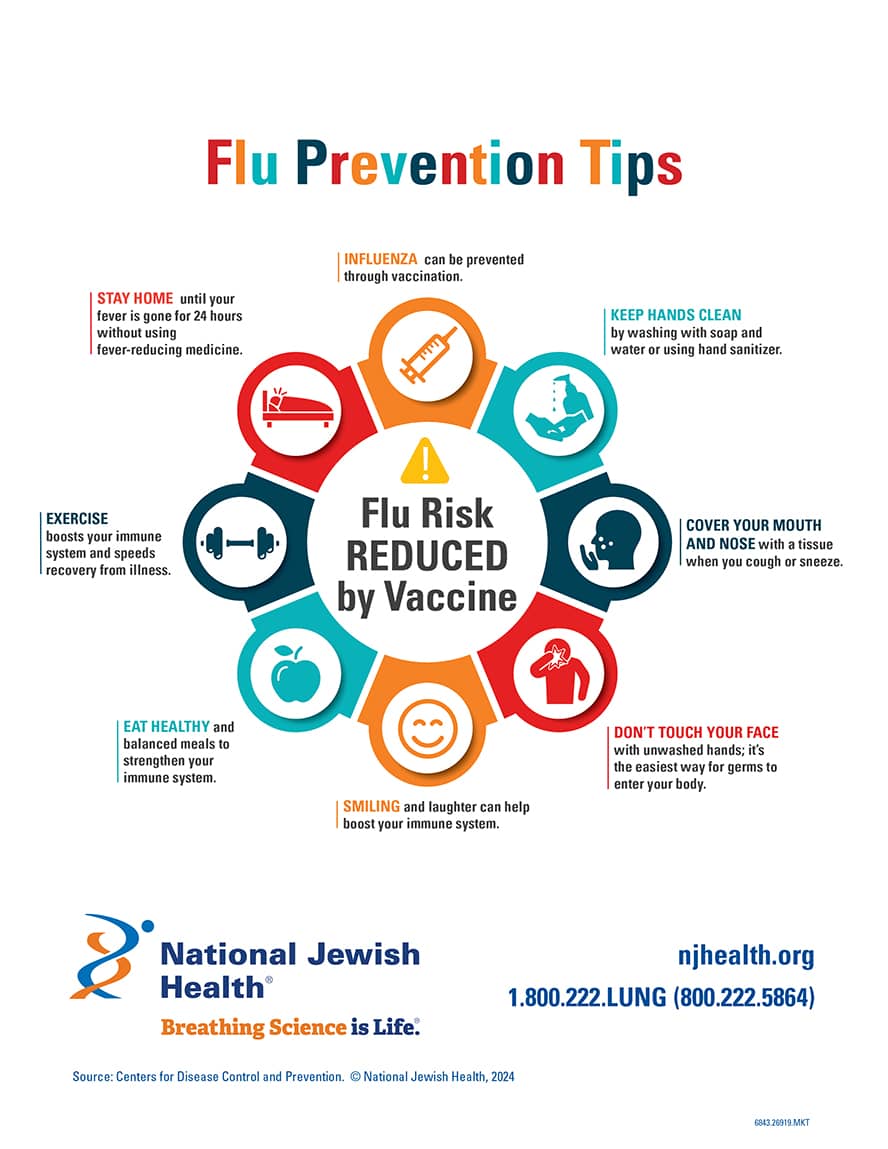
The Centers for Disease Control and Prevention (CDC) keeps its guidance straightforward, focusing on three pillars: vaccination, hygiene, and isolation when sick.
1. Get Vaccinated
Each flu season the CDC updates the vaccine to include the most common H1N1 strains. Even if you’ve had the flu before, a yearly shot can reinforce your immune defenses. For most people, the flu shot is safe, with only mild soreness at the injection site.
2. Practice Smart Hygiene
Simple habits cut the virus’s chances of jumping from person to person:
- Wash hands with soap for at least 20 seconds—especially after coughing or sneezing.
- Carry an alcohol‑based hand sanitizer for moments when soap isn’t handy.
- Avoid touching your face, particularly eyes, nose, and mouth.
- Cover your mouth and nose with a tissue or the inside of your elbow when you cough.
3. Stay Home If You’re Ill
The CDC advises staying home for at least 24 hours after a fever subsides without the aid of fever‑reducing medication. That window helps curb the spread during the most contagious phase.
Additional Tips for Families and Workplaces
Beyond the basics, a few practical steps can make a big difference in communal settings:
- Disinfect high‑touch surfaces—doorknobs, keyboards, phones—daily with EPA‑approved cleaners.
- Encourage sick employees to use remote work options if possible, rather than risking a full office outbreak.
- Promote proper ventilation by opening windows or using air purifiers in crowded rooms.
Common Myths About H1N1
Even years after the pandemic, misinformation lingers. Here are a couple of misconceptions that still pop up:
- Myth: “If I’m healthy, I can’t get H1N1.”
Fact: Healthy adults can contract and spread the virus; they just tend to experience milder symptoms. - Myth: “Antibiotics will cure H1N1.”
Fact: H1N1 is viral, so antibiotics have no effect unless a secondary bacterial infection emerges.
Quick Checklist for Everyday Protection
Keep this short list on the fridge or in your phone notes:
- Get the yearly flu shot.
- Wash hands frequently.
- Carry tissues and sanitizer.
- Stay home with fever or cough.
- Disinfect shared objects daily.
Bottom Line
H1N1 may not dominate headlines every winter, but its presence in the seasonal flu mix means the same vigilance applies. Recognizing the hallmark symptoms early, following the CDC’s sensible prevention playbook, and debunking lingering myths can keep you and those around you healthier throughout the flu season.