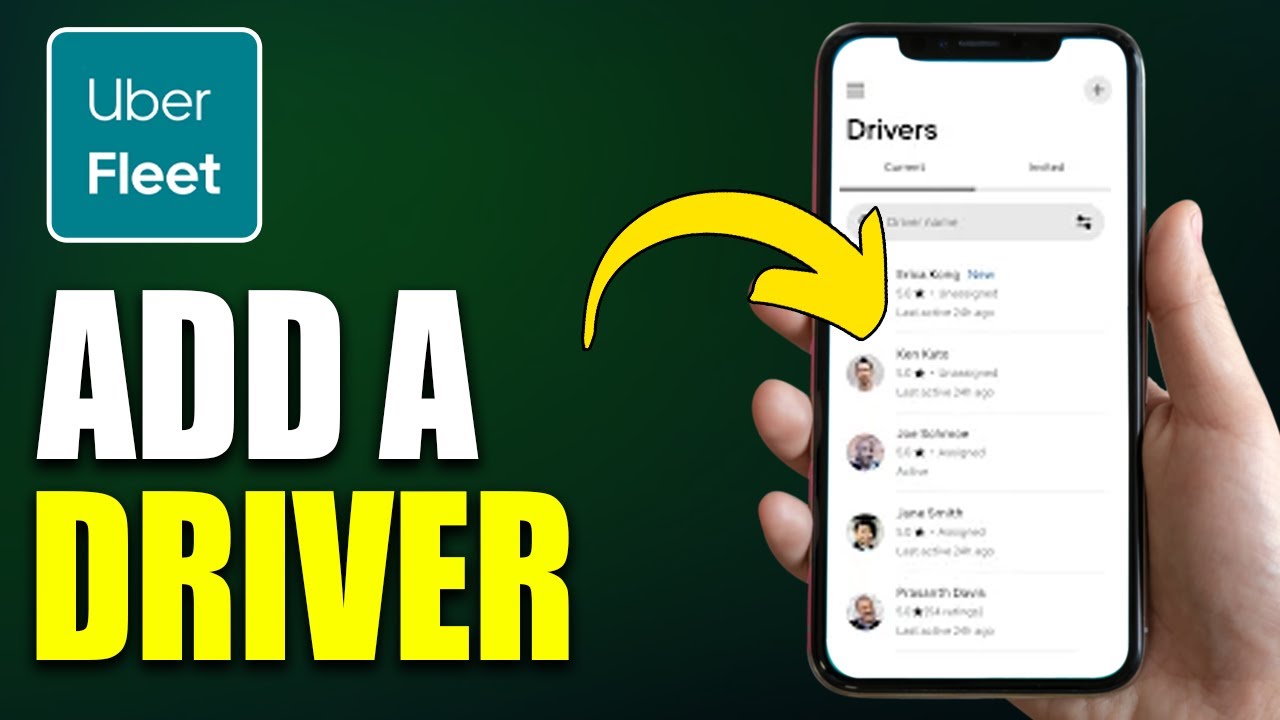
How to Register as an Uber Fleet Partner and Thrive in 2024
Thinking about turning a handful of cars into a steady income stream? Uber’s Fleet Partner program lets you manage multiple drivers while the platform handles the rides. The catch? You need to get the registration right and then keep the operation humming.
Why Become an Uber Fleet Partner?
It’s not just about adding vehicles to the app. As a partner you gain:
- Control over driver recruitment – you pick who drives your cars.
- Bulk discounts on maintenance, insurance, and fuel cards.
- Dedicated support through Uber’s fleet manager dashboard.
- Revenue sharing that can outpace solo driving earnings.
But the upside only materializes if you follow the proper onboarding steps. Skipping a form or overlooking a local regulation can stall the whole process.
Step‑By‑Step Registration Process
Getting on board feels like a checklist, yet each tick matters.
1. Verify Eligibility
Uber typically requires a minimum number of vehicles—often three—to qualify. Your business must also be a legally recognized entity (LLC, corporation, or partnership). Some markets allow sole proprietors, but they’ll ask for additional documentation.
2. Gather Required Documents
- Business registration certificate.
- Employer Identification Number (EIN) or local tax ID.
- Proof of insurance that covers commercial use.
- Vehicle titles or lease agreements for each car.
- Driver screening consent forms (background checks, driver’s license copies).
Having everything ready before you log in saves you a few frustrating email loops.
3. Create a Fleet Account
Visit the Uber Fleet portal, click “Sign Up,” and choose “Fleet Partner.” The system will prompt you for the documents above. Upload each file in PDF or high‑resolution JPG format—no need for ZIP files.
4. Set Up Your Fleet Dashboard
Once approved, you’ll receive access to a dashboard where you can:
- Add vehicles by VIN.
- Invite drivers via email or SMS.
- Monitor earnings, trip counts, and driver ratings.
- Adjust pricing incentives for peak hours.
5. Activate Vehicles
Each car must pass Uber’s safety inspection. Book an appointment at a certified inspection center, or use Uber’s mobile inspection app if your city supports it. After clearance, toggle the vehicle’s status to “Active” in the dashboard.
Tips for Running a Successful Fleet
Registration is only half the battle. The real art lies in day‑to‑day management.
- Choose drivers wisely. Look for reliability and a clean driving record. A driver who treats a car like a rental can cut maintenance costs dramatically.
- Standardize maintenance. Set a monthly service schedule for all vehicles. Predictable upkeep prevents surprise downtimes during rush hour.
- Use data. Uber’s dashboard offers heat maps of demand. Position cars where surge pricing is likely to hit—often near event venues or downtown cores.
- Reward performance. Small bonuses for high ratings or low cancellation rates keep drivers motivated without eroding profit.
- Stay compliant. Local regulations can change yearly. Subscribe to your city’s transportation newsletter or set a calendar reminder to review licensing renewals.
Remember, a fleet’s reputation spreads faster than the rides themselves. A single driver’s repeated cancellations can affect the whole group’s acceptance rate.
Common Pitfalls to Avoid
Even seasoned partners stumble on a few recurring issues.
- Underestimating insurance costs. Commercial coverage is pricier than personal policies. Quote multiple insurers before committing.
- Skipping driver background re‑checks. Uber updates its screening every 12 months; you should mirror that cadence.
- Neglecting vehicle cleanliness. A dirty interior leads to lower driver ratings, which in turn reduces trip allocations.
- Relying solely on surge. While surge boosts earnings, it’s unpredictable. Balance with steady “base fare” routes for consistent cash flow.
A proactive approach—regular audits, driver feedback loops, and keeping the fleet’s paperwork current—often separates the thriving partners from the ones that fold after a few months.
Next Steps
If you’ve gathered your documents and feel ready, start the sign‑up process today. The sooner you log in, the faster you can begin scouting drivers and locking in high‑demand zones. And when the first rides roll in, keep an eye on the dashboard—you’ll learn quickly which tweaks translate into higher margins.