How to Spot Media Bias: A Conversational Guide
Ever feel like the news you read is nudging you toward a certain viewpoint without you even noticing? You’re not alone. Media bias is a subtle art—sometimes a headline leans left, a photo choice hints at a story angle, and the language can sway opinions before you’ve had a chance to think. This guide walks you through the basics, offers practical tricks, and keeps the tone friendly enough for a coffee‑shop chat.
Why Media Bias Matters
Understanding bias isn’t just an academic exercise. It influences voting decisions, consumer choices, and even how we perceive our neighbors. When bias goes unchecked, echo chambers form, and the diversity of perspectives shrinks. Recognizing the tilt lets you stay informed without being silently steered.
Common Types of Bias You’ll Encounter
Not all bias looks the same. Here are the most frequent flavors you’ll bump into:
- Selection Bias – Choosing which stories to tell and which to ignore.
- Framing Bias – Emphasizing certain facts while downplaying others.
- Tone Bias – Using charged language (“crisis” vs. “challenge”) to shape emotions.
- Visual Bias – Choosing images that suggest a narrative before any words appear.
Tools for a Quick Bias Check
When you spot a headline, run it through this mental checklist. It takes just a few seconds, but the payoff is big.
1. Ask About the Source
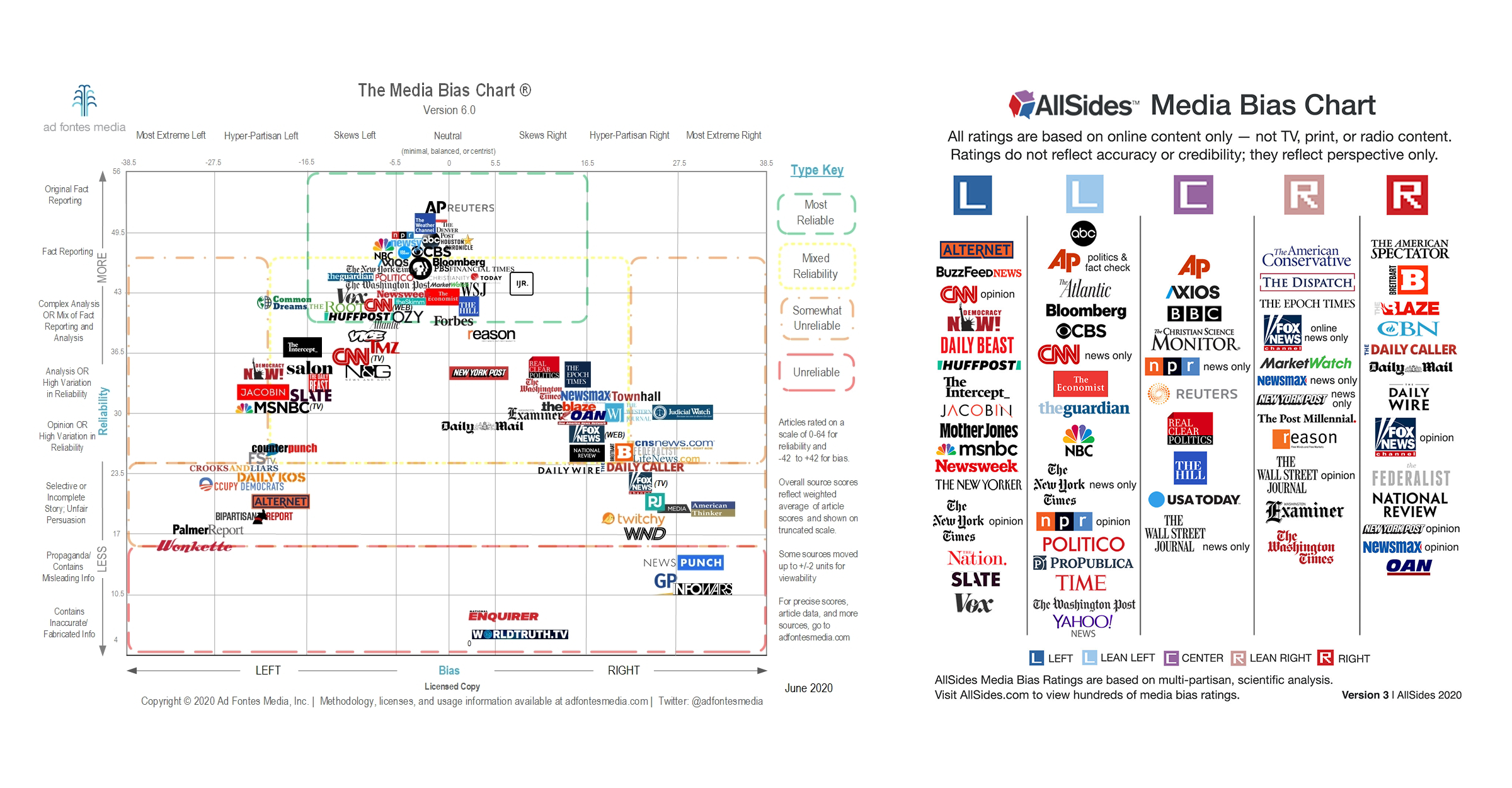
Is the outlet known for a particular political leaning? Do they have a transparent ownership structure? A quick glance at the “About Us” page can reveal a lot.
2. Scan the Language
Look for adjectives that feel loaded. Words like “alleged,” “radical,” or “historic” can signal a slant. If the article uses more emotive terms than factual ones, note it.
3. Check the Balance
Does the piece quote opposing viewpoints? A balanced article typically presents at least two sides, even if one is more detailed.
4. Follow the Trail
Is the story original reporting or a repost of a wire service? Original pieces often include more nuance, while re‑posts may inherit bias from the original source.
Spotting Bias in Everyday Content
It’s not just newspapers. Social media posts, podcasts, and even video thumbnails can carry bias. Here’s how to stay vigilant across platforms.
- Social Feeds – Algorithms amplify content that matches your past interactions. Pause before you like; consider if the post confirms a belief you already hold.
- Podcasts – Hosts may frame questions in a way that nudges guests toward a particular answer. Listen for leading prompts.
- Videos – Thumbnail choices matter; a dramatic image can set expectations long before the narration begins.
When Bias Becomes Useful
Not all bias is malicious. Every outlet has a perspective, and sometimes that lens helps highlight under‑reported issues. Recognizing a purposeful bias can actually broaden your view if you seek out complementary sources.
Practical Exercise: De‑bias Your News Day
Try this simple routine tomorrow:
- Pick three news items from different outlets—one mainstream, one niche, one international.
- Apply the checklist above to each piece.
- Write a one‑sentence summary of the core fact, stripping away adjectives and images.
- Compare the summaries. Do they tell the same story? If not, note where the differences stem from.
Just the act of summarizing forces you to separate fact from flavor.
Finding Balanced Sources
While perfection is impossible, some outlets strive for transparency and fairness. Look for publications that:
- Publish corrections prominently.
- Disclose editorial standards.
- Offer a “right‑of‑reply” section for opposing voices.
Mixing these with more opinion‑driven platforms creates a healthier media diet.
Beyond the Headlines: Deep‑Dive Strategies
If you have time, dig into the original data or reports behind a story. Many investigative pieces link to court documents, scientific studies, or raw statistics. Cross‑checking those sources can uncover hidden bias or confirm the narrative’s integrity.
Final Thoughts (Without a Formal Wrap‑Up)
Media bias isn’t a monster lurking behind every article; it’s a set of habits that shape how stories are told. By asking a few pointed questions, checking language, and diversifying where you get your news, you can keep those habits in check. The next time you scroll, pause, and let curiosity do the heavy lifting.