How to Spot Pseudoscience and Its Biggest Allies
Understanding pseudoscience and its allies is crucial if you want to navigate today’s information overload without falling for false promises. While the term “pseudoscience” sounds academic, the phenomena it describes pop up in everyday conversations—from miracle health cures on Instagram to conspiracy‑themed podcasts you hear during your commute. Below we break down what qualifies as pseudoscientific, the forces that keep it thriving, and practical steps you can take before you accept the next dazzling claim.
What Makes Something Pseudoscientific?
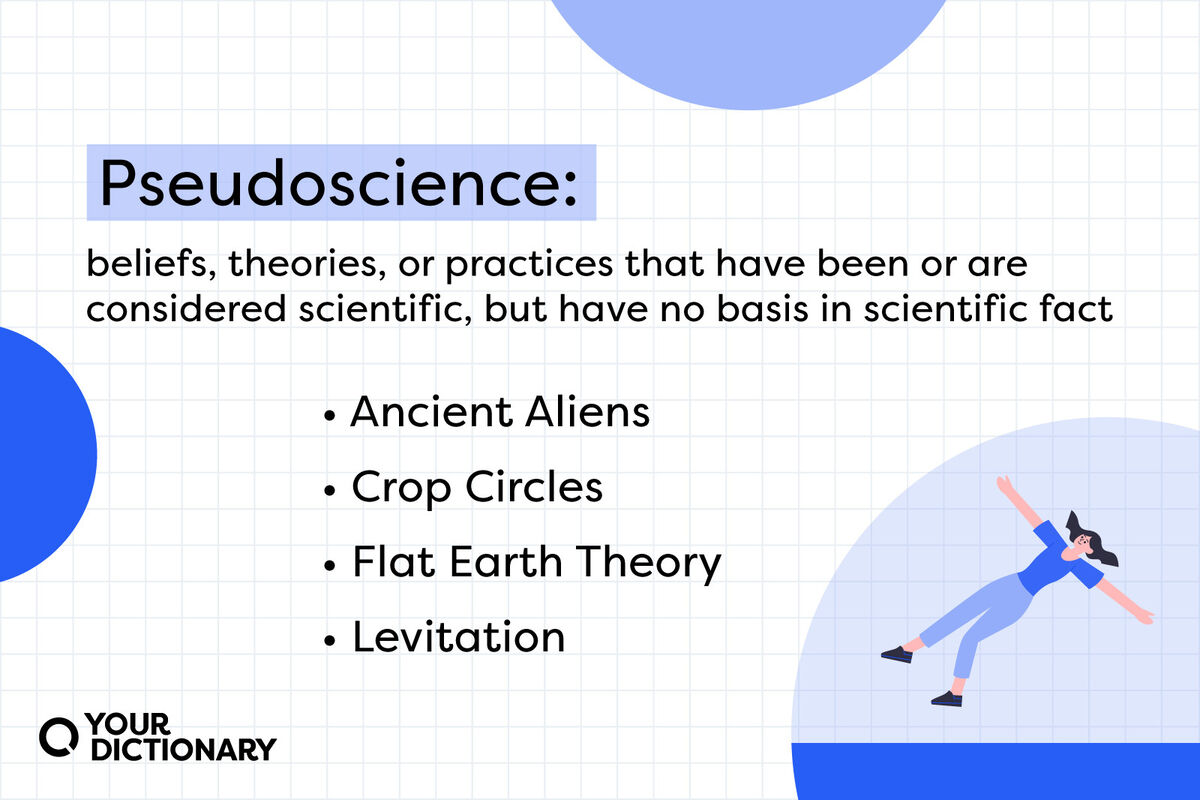
At its core, pseudoscience mimics the language and structure of real science but fails to adhere to its rigorous standards. A genuine scientific theory is testable, falsifiable, and built on reproducible experiments. In contrast, pseudoscientific ideas often rely on anecdotal evidence, invoke “secret knowledge,” or claim immunity from criticism. They may cite complex jargon to sound credible, yet a quick check reveals that the underlying methods lack peer review or controlled testing.
Take homeopathy, for example. Its practitioners talk about “potentized” solutions that supposedly retain therapeutic memory despite being diluted beyond Avogadro’s number. No credible study has demonstrated a mechanism that would allow water to retain such information, and double‑blind trials consistently show no effect beyond placebo. That mismatch between claim and evidence is the hallmark of pseudoscience.
Common Allies That Keep Pseudoscience Alive
Even the most flawed ideas need allies to spread. Here are the most frequent partners in crime:
- Cognitive biases. Confirmation bias makes us cherry‑pick data that fits our preconceptions, while the illusory‑pattern bias convinces us that random coincidences are meaningful.
- Social media echo chambers. Algorithms prioritize content that provokes strong reactions, often amplifying sensationalist claims faster than corrective information.
- Charismatic authority figures. When a trusted celebrity or “expert” endorses a product, the audience may suspend skepticism, assuming the endorsement equals scientific validation.
- Commercial incentives. Companies profit from selling “miracle” supplements, detox teas, or anti‑aging creams, so they have little reason to fund rigorous testing.
- Community identity. Belonging to a group that shares a particular belief can reinforce those ideas, making dissent feel like a personal betrayal rather than a rational choice.
These allies rarely act alone; they intertwine, creating a feedback loop that can be surprisingly resilient.
Case Study: Astrology’s Enduring Appeal
Astrology provides a textbook example of pseudoscience buoyed by multiple allies. Its claims—like “Jupiter in retrograde will boost your career”—lack any empirical support. Yet billions still read horoscopes daily. Why?
First, the Barnum effect lets vague statements feel personally accurate. Second, social media platforms constantly push zodiac memes, reinforcing the belief through repeated exposure. Third, many influencers market personalized birth‑chart readings, turning a free pastime into a lucrative service. Finally, astrology offers a comforting narrative that explains life’s ups and downs without demanding scientific literacy.
How to Evaluate Claims Before You Buy In
When confronted with an extraordinary claim, a short mental checklist can save you time and money.
- Check the source. Is the information coming from a peer‑reviewed journal, a reputable university, or an anonymous blog?
- Look for replication. Have independent researchers repeated the experiment with the same results?
- Identify the motive. Is there a clear commercial or ideological incentive behind the claim?
- Demand clarity. Vague language (“energy,” “vibrations”) often masks a lack of measurable evidence.
- Seek counter‑evidence. Genuine science welcomes criticism; if all you find are defenses against criticism, that’s a red flag.
Applying these steps doesn’t guarantee you’ll never be misled, but it dramatically lowers the odds of falling for a well‑packaged myth.
When Skepticism Meets Compassion
Critiquing a pseudoscientific belief can feel like an attack, especially when the belief is tied to personal identity. Approaching the conversation with empathy makes it more likely the other person will stay open to evidence.
Start by acknowledging the genuine concerns behind the belief—perhaps a desire for health, control, or community. Then, gently introduce the checklist above, framing it as a tool for everyone, not a weapon aimed at the individual. Research shows that respectful dialogue, rather than outright dismissal, reduces defensive reactions and can gradually shift perceptions.
FAQ
Is pseudoscience always harmful?
Not necessarily. Some pseudoscientific practices, like certain mindfulness techniques, can offer subjective benefits despite lacking scientific backing. However, when the claim influences health decisions, public policy, or financial spending, the potential harm increases dramatically.
How can I tell if a scientific‑sounding article is actually pseudoscientific?
Look for red flags: absence of citations, reliance on anecdotal stories, claims that “never fail,” and a lack of discussion about limitations or alternative explanations. Genuine research will typically reference peer‑reviewed studies and address uncertainties openly.
Do schools have a role in combating pseudoscience?
Absolutely. Teaching critical thinking, the scientific method, and media literacy equips students to spot faulty reasoning early. When education emphasizes how to ask the right questions, it creates a long‑term shield against misinformation.
Can social media platforms do more to limit the spread of pseudoscience?
Platforms can adjust algorithms to prioritize content from verified experts, flag dubious claims, and provide users with contextual fact‑checks. Some already experiment with these measures, but consistency and transparency remain challenges.