How to Spot Pseudoscience and Why It Matters
Ever read a claim that sounds scientific but leaves you feeling uneasy? You’re not alone. Pseudoscience thrives on persuasive language, cherry‑picked data, and the promise of quick fixes. Understanding its hallmarks not only protects your wallet and health, it also sharpens critical thinking for everyday decisions.
What Exactly Is Pseudoscience?
At its core, pseudoscience imitates the veneer of real science while skipping the rigorous methods that give genuine research its credibility. It often:
- Relies on anecdotal evidence rather than controlled experiments.
- Leaves key variables undefined or unverifiable.
- Offers explanations that can’t be falsified—meaning they can’t be disproved.
In short, it sounds plausible but falls apart under systematic scrutiny.
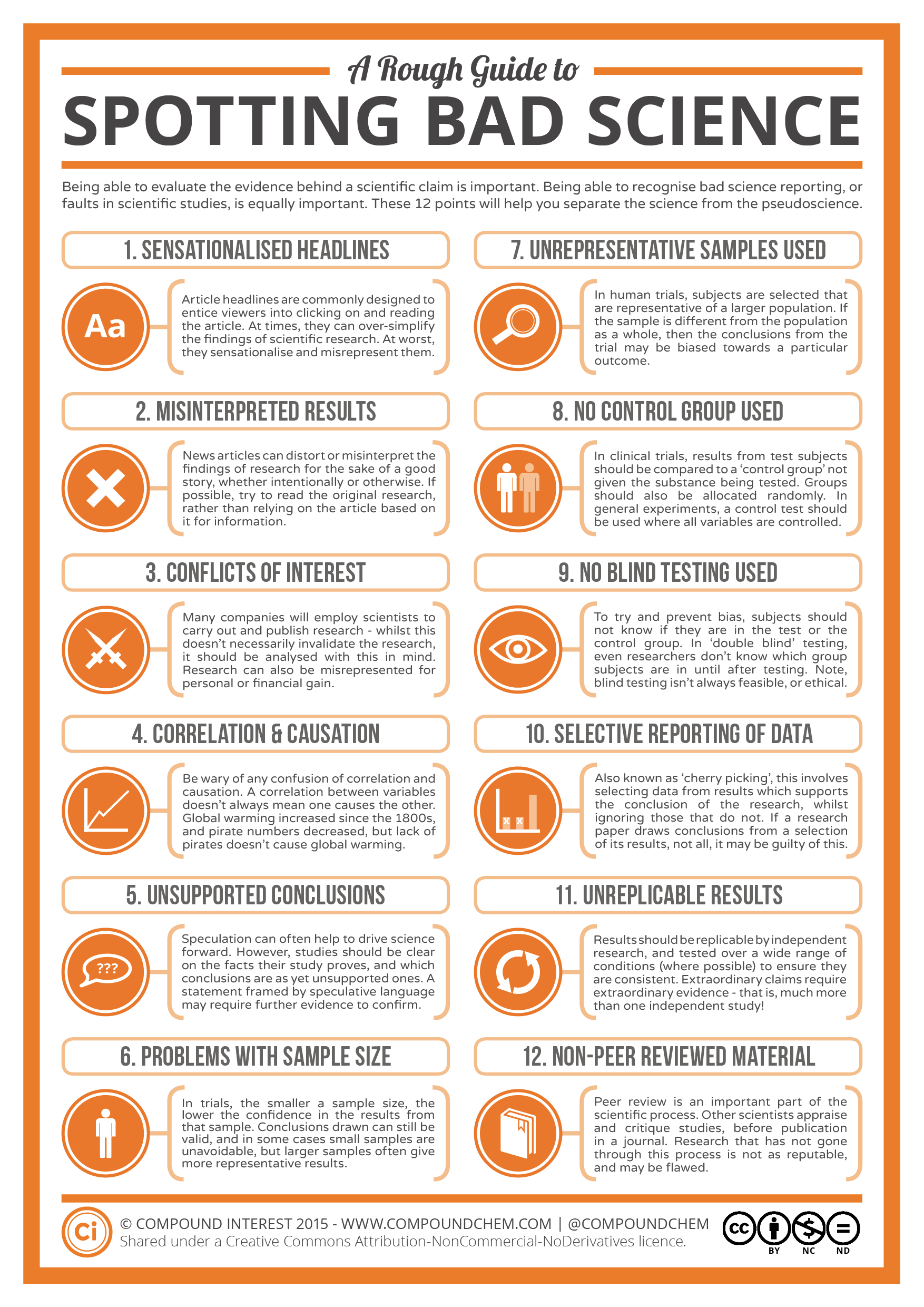
Common Red Flags to Watch For
Not every bold claim is bogus, but certain patterns raise eyebrows:
1. Vague or Overly Complex Language
Terms like “quantum healing” or “energy fields” are tossed around without clear definitions. If you can’t find a concise explanation, the concept may be a smokescreen.
2. Extraordinary Claims, Minimal Evidence
“Cure cancer in 7 days” or “reverse aging by drinking this tea” – these promises sound spectacular, yet the supporting studies are either missing or published in obscure, non‑peer‑reviewed outlets.
3. Reliance on Testimonials
Personal success stories are compelling, but they’re not a substitute for statistical analysis. A handful of happy customers don’t prove a universal effect.
4. Lack of Reproducibility
Real science expects results to be repeatable by independent researchers. If attempts to replicate a finding consistently fail, that’s a warning sign.
5. Appeals to Authority Without Credentials
“Doctor says…” or “celebrity endorses…” may be persuasive, but unless the person holds relevant expertise, the endorsement holds little weight.
Why Does Pseudoscience Persist?
Human psychology plays a big role. We crave simple answers, especially when faced with uncertainty. Pseudoscience capitalises on:
- Confirmation bias – we favour information that aligns with pre‑existing beliefs.
- Scarcity effect – limited‑time offers create urgency, nudging us to act before we think.
- Social proof – seeing friends or influencers endorse a product can override rational doubts.
Combine those with savvy marketing, and even the most skeptical mind can be nudged.
Tools for Assessing Credibility
When you stumble on a new claim, run it through this quick checklist:
- Source check: Is the information coming from a reputable institution, academic journal, or a recognized expert?
- Peer review status: Has the study been evaluated by independent scientists?
- Methodology transparency: Are the sample size, controls, and procedures described in detail?
- Conflict of interest: Does the researcher have a financial stake in the outcome?
- Consensus: Do multiple independent studies point to the same conclusion?
If the answer is “no” to several of these, proceed with caution.
Real‑World Examples of Pseudoscientific Claims
Seeing examples helps cement the concept. Here are a few that have made headlines:
- Detox diets – Promising to “flush toxins” without defining which toxins or how they’re eliminated.
- Magnetic bracelets for pain relief – Claimed to realign “bio‑magnetic fields,” yet double‑blind studies show no effect beyond placebo.
- Crystal healing – Asserts that minerals can influence emotional states, but lacks measurable mechanisms.
Notice the pattern: bold promises, vague mechanisms, and scant empirical backing.
Balancing Skepticism with Open‑Mindedness
It’s easy to swing to a “never trust anything new” stance, but that’s counterproductive. Science itself evolves; yesterday’s fringe theory can become today’s breakthrough. The key is to stay curious while demanding evidence.
Ask yourself:
- What would a well‑designed study look like for this claim?
- Are there independent replications?
- What do established experts in the field say?
Practical Steps for Everyday Decision‑Making
Whether you’re shopping for supplements or evaluating health advice online, these habits help keep pseudoscience at bay:
- Set a 24‑hour “cooling‑off” period before purchasing a miracle product.
- Cross‑reference claims with reputable fact‑checking sites.
- Prioritise sources that disclose funding and affiliations.
- Discuss dubious claims with a knowledgeable friend or professional.
When Skepticism Becomes a Barrier
Sometimes, excessive doubt can shut down legitimate innovation. If a new theory seems unconventional but presents solid data, give it a fair hearing. The goal isn’t to dismiss everything alternative, but to apply a consistent standard of evidence.
In a world saturated with information, the ability to differentiate science from its imitators is a valuable skill. By recognizing red flags, probing sources, and maintaining a balanced outlook, you empower yourself to make choices backed by real knowledge—not just persuasive hype.