How to Spot the Best Vehicle Auctions in Bolivia for Great Deals
What Makes Bolivian Car Auctions Worth Exploring?
If you’ve ever scrolled through online listings only to feel the price tags are inflated, a live auction can feel like a breath of fresh air. Bolivia’s vehicle auctions blend the excitement of competitive bidding with the practical chance to grab a car, truck, or motorcycle well below market value. The key is knowing where to look, what paperwork to expect, and how to stay a step ahead of other bidders.
Where Do These Auctions Happen?
Not all auctions are created equal, and in Bolivia they tend to fall into three main categories:
- Government and police seizures – Vehicles confiscated for tax evasion, customs violations, or criminal investigations are often sold at public auctions.
- Bank repossessions – When a loan defaults, banks move quickly to liquidate the collateral, and the resulting sales can be surprisingly transparent.
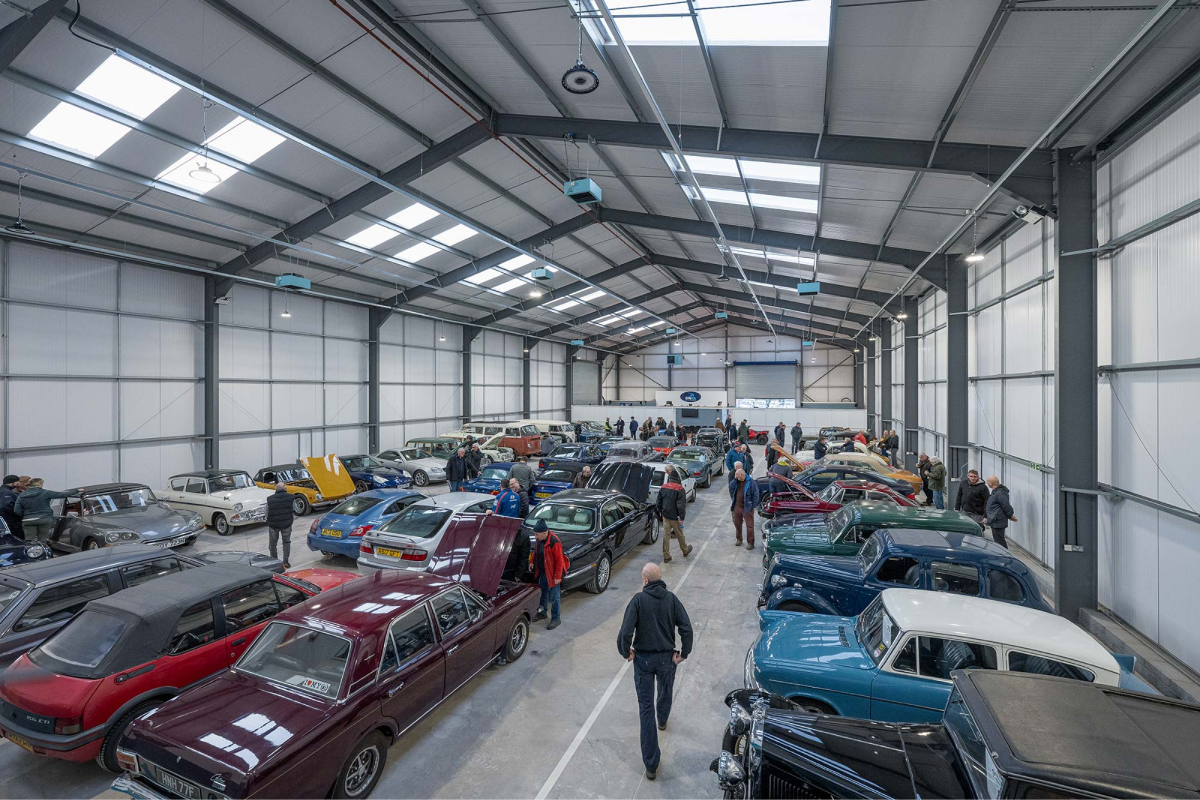
- Private dealer events – Some car dealerships host regular auction nights to move older inventory, especially in larger cities like La Paz and Santa Cruz.
Each venue has its own rhythm. Government sales usually require a bit more paperwork, while private events tend to be more relaxed but may have higher reserve prices.
How to Find Upcoming Auctions
A bit of detective work goes a long way. Here are the most reliable sources:
- Official municipal websites – Look for “Subastas Públicas” sections that list dates, locations, and catalogues.
- Bank announcements – Major banks publish upcoming repossession auctions on their corporate portals.
- Local newspapers – The classifieds often carry a small ad column titled “Subastas de Vehículos”.
- Social media groups – Facebook pages dedicated to Bolivian auto enthusiasts frequently share leads.
Preparing for the Day of the Sale
Showing up unprepared is like walking into a poker game without knowing the rules. Follow this checklist before you step onto the auction floor:
- Register early and bring a valid ID plus a tax identification number (NIT).
- Set a strict budget. Remember, the winning bid isn’t the only cost – registration fees and taxes add up.
- Inspect the vehicle beforehand. Many auctions allow a “preview day” where you can check the engine, brakes, and rust damage.
- Bring cash or an approved bank guarantee. Some venues won’t accept credit cards.
It’s also wise to bring a trusted mechanic if you’re not comfortable evaluating the car yourself. A second opinion can save you from a costly surprise.
Winning Strategies Without Overpaying
Even seasoned bidders can fall into the trap of getting swept up in the excitement. These tactics keep you grounded:
- Start low, but stay realistic – Opening too low can alienate the seller, yet a modest start shows you’re serious.
- Watch the rhythm – Notice how quickly other participants bid. If the pace slows, it’s often a cue that the price is nearing the reserve.
- Know the vehicle’s market value – Use local price guides or online listings to gauge a fair price before the auction.
- Set a hard stop – When you hit your pre‑determined limit, walk away. The worst that happens is you miss out; the best is you avoid buyer’s remorse.
Legal Steps After the Gavel Falls
Winning the bid is only half the battle. In Bolivia, the transfer process involves a few bureaucratic hoops:
- Obtain the “Acta de Subasta” – the official document confirming your purchase.
- Pay the remaining balance, including any applicable VAT and registration fees.
- Visit the local “Dirección de Registro de Automotores” to update the title in your name.
- If the vehicle has pending fines, settle them within 30 days to avoid penalties.
Skipping any of these steps can delay your ownership or even result in the sale being voided. It’s a good idea to keep copies of every receipt.
Common Pitfalls to Watch Out For
Even with a solid plan, a few hidden challenges can surface:
- Undisclosed damage – Some sellers may hide structural issues that only a thorough inspection reveals.
- Fake title documents – Verify the VIN matches the paperwork; counterfeit documents are rare but not unheard of.
- Currency fluctuations – If you’re paying in foreign currency, watch the exchange rate on the day of payment.
A little caution goes a long way, especially when the deal looks too good to be true.
Why the Effort Pays Off
At the end of the day, the allure of a well‑maintained vehicle at a fraction of its retail price is hard to ignore. With careful research, a clear budget, and a dash of auction savvy, you can drive away feeling both triumphant and financially smart.