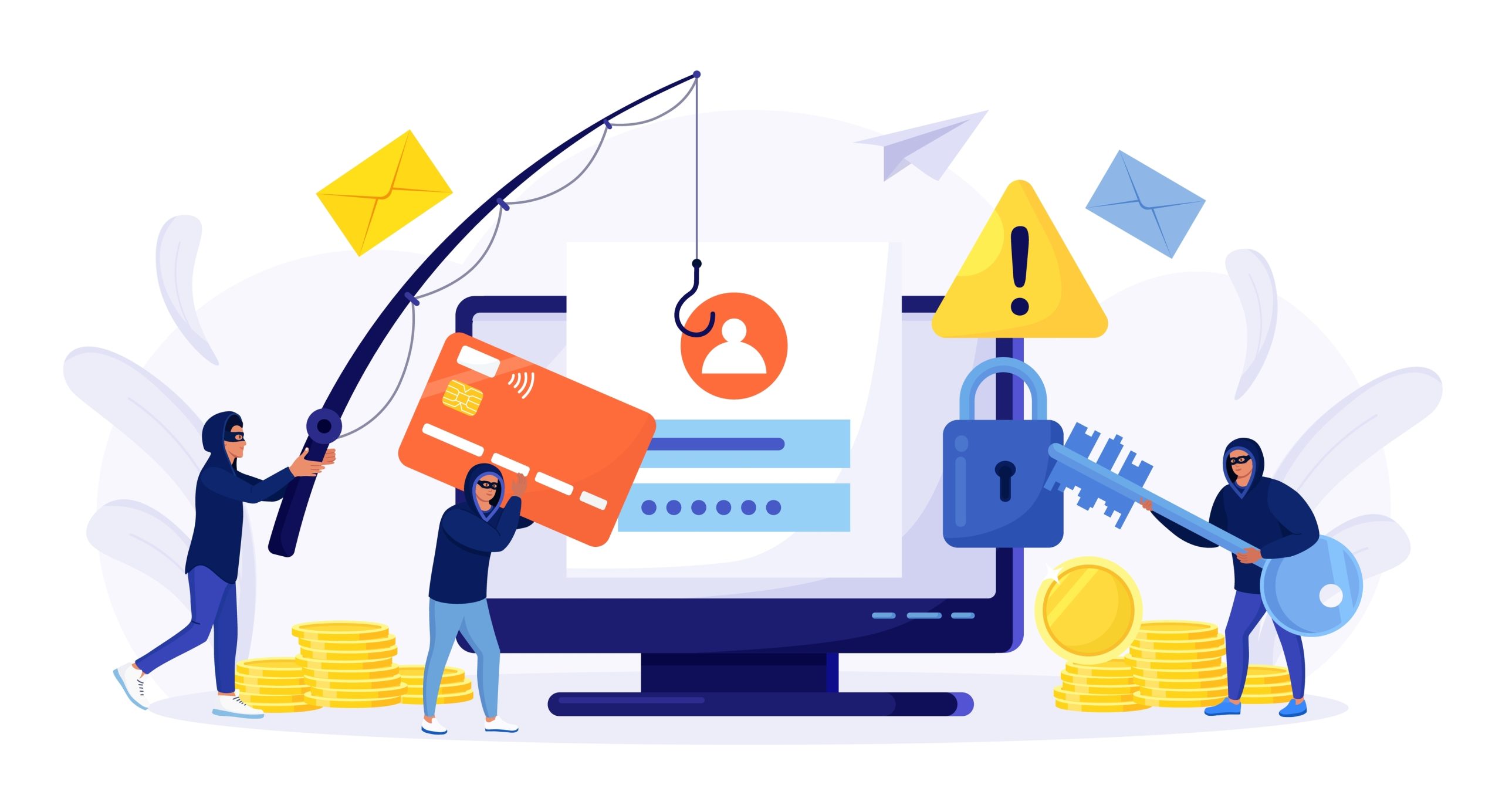
How to Spot Token Set Scams and Avoid Getting Fooled
What a “Token Set” Really Is
In the crypto world, a token set is simply a bundle of several assets that trade together under a single contract. Think of it as a digital basket: you buy one token, and you automatically own a slice of each underlying coin or DeFi position. The idea sounds handy, especially for newcomers who want diversified exposure without juggling multiple wallets.
Unfortunately, the very simplicity that makes token sets attractive also creates a fertile ground for scammers. By mimicking reputable projects or slipping malicious code into the contract, fraudsters can steal funds before anyone notices.
Common Tricks Used by Scammers
Scams come in many flavors, but a few patterns repeat themselves:
- Fake branding. A shady developer will clone the logo and website of a well‑known set, then change a single character in the contract address.
- Rug pulls via upgradeable contracts. Some sets are built on proxy contracts that allow the owner to replace the logic later. If the owner decides to swap the code for a “drain” function, all token holders lose everything.
- Phantom airdrops. Users are enticed with promises of free extra tokens if they “claim” them through a supplied link. The link actually asks for a private key or sends a malicious transaction.
- Liquidity hijacking. The scammer creates a fake pool on a decentralized exchange, luring traders with an unrealistic price. Once enough liquidity is poured in, they drain it, leaving the price to collapse.
Red Flags to Keep an Eye On
Spotting a scam often boils down to a few quick checks:
- Is the contract address posted on the official project’s GitHub or Discord? If you can’t verify it elsewhere, step back.
- Does the set use an upgradeable proxy? Non‑upgradeable contracts are safer, though not a guarantee.
- Are the promised returns “guaranteed” or “risk‑free”? Legitimate DeFi products always disclose risk.
- Check the token’s audit status. A recent, reputable audit (e.g., by CertiK or Trail of Bits) is a good sign, but not a holy grail.
Practical Steps Before You Invest
Even if everything looks clean, a brief due‑diligence routine can save you from a costly mistake.
1. Verify the source
Visit the official website directly (not through a link in a tweet) and locate the contract address. Cross‑reference it with the project's verified page on Etherscan or BscScan.
2. Scan the code
If you have a basic understanding of Solidity, paste the contract into a tool like Remix. Look for functions named withdrawAll, selfdestruct, or any that can change the implementation address.
3. Test with a tiny amount
Send a fraction of your intended investment—say, $10 worth—then monitor the transaction for a few days. If the token behaves oddly (e.g., sudden balance drops), abort further purchases.
4. Use reputable aggregators
Platforms such as Zapper, Debank, or CoinGecko often flag suspicious token sets. While not infallible, they add another layer of scrutiny.
What to Do If You’ve Already Been Targeted
Discovering a rug pull after the fact feels like stepping on a lego in the dark—painful and sudden. Here’s a short action plan:
- Immediately revoke any token allowances in your wallet using tools like Revoke.cash.
- Report the contract address to the blockchain explorer and relevant Discord or Telegram channels.
- If the scam involved phishing for private keys, assume the wallet is compromised; move any remaining assets to a new address.
- Consider filing a report with your local cyber‑crime unit; some jurisdictions are starting to track DeFi fraud.
Staying Ahead of the Curve
Crypto evolves at breakneck speed, and scammers adapt just as quickly. One habit that consistently protects investors is staying connected to the community. Follow reputable analysts on Twitter, join project‑specific Discords, and read post‑mortems of previous attacks. These sources often highlight subtle changes—like a new contract admin address—that might otherwise go unnoticed.
Another underrated tool is a “watch‑list” on block explorers. By adding token set contracts you’re interested in, you receive alerts whenever the code is verified, upgraded, or interacts with a known scam address.
Bottom Line: Skepticism Is Your Best Defense
Token sets can streamline exposure to diversified strategies, but the shortcut comes with hidden pitfalls. By treating every new set like a potential trap, verifying contracts, and keeping an eye on community chatter, you dramatically lower the odds of being duped.