How to Start a Career in Janitorial Work
Looking for a steady paycheck without a lengthy education? The janitorial field often slips under the radar, yet it offers reliable income, flexible hours, and room to grow. Below we walk through the basics—what the job actually involves, where to look for openings, and how to position yourself for long‑term success.
What Does a Janitorial Role Entail?
At its core, janitorial work means keeping spaces clean and safe. That can range from vacuuming office floors to handling industrial‑grade waste. Most employers expect you to:
- Follow daily cleaning schedules
- Operate basic equipment such as floor scrubbers, buffers, and pressure washers
- Restock supplies like soap, paper towels, and trash bags
- Report maintenance issues promptly
- Adhere to safety protocols, especially when using chemicals
While the tasks sound simple, attention to detail and a reliable attitude are what set top performers apart.
Where to Find Janitorial Jobs
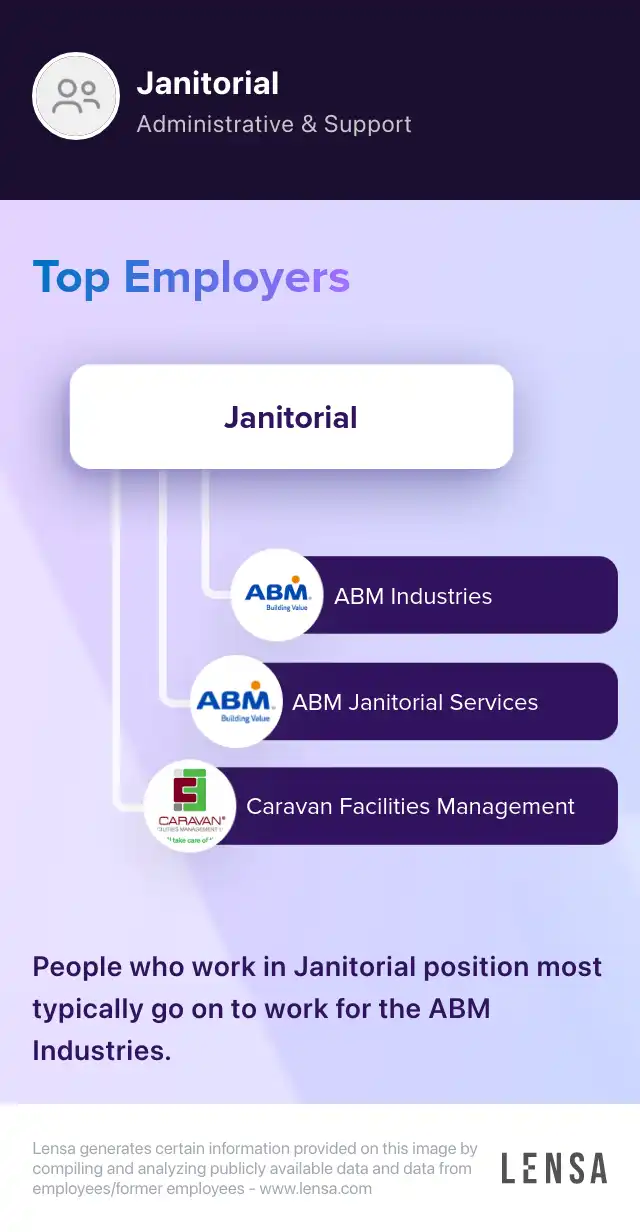
Opportunities are scattered across private firms, schools, hospitals, and government buildings. Here are the most effective channels:
Online Job Boards
Sites like Indeed, Glassdoor, and local classifieds often list entries titled “Custodian,” “Cleaner,” or “Facilities Maintenance.” Use variations of the keyword to broaden your search.
Staffing Agencies
Many agencies specialize in “blue‑collar” placements. They can match you with temporary gigs that sometimes lead to permanent contracts.
Direct Applications
Walking into a building and dropping off a résumé still works, especially for smaller offices or schools that prefer local hires.
Key Skills That Boost Your Employability
Beyond a willingness to roll up your sleeves, certain abilities make a candidate stand out:
- Time Management: Completing a checklist within a shift shows proficiency.
- Physical Stamina: Lifting, bending, and standing for long periods are daily realities.
- Communication: Knowing when to flag a broken light or a spilled chemical keeps everyone safe.
- Basic Maintenance Knowledge: Understanding how a floor buffer works can prevent costly downtime.
Consider short courses on OSHA safety or green‑cleaning techniques—many community colleges offer them for under $200.
Typical Pay and Advancement Paths
Entry‑level janitorial positions usually start around the minimum wage, but overtime, night differentials, and union contracts can raise earnings significantly. In many regions, experienced custodians earn $18‑$25 per hour, with senior roles—like Facility Manager—reaching $55,000‑$70,000 annually.
Advancement often follows a clear trajectory:
- Cleaner → Lead Cleaner (supervises a small team)
- Lead Cleaner → Shift Supervisor (handles scheduling)
- Shift Supervisor → Facility Manager (oversees all building services)
Each step typically requires a mix of tenure, proven reliability, and sometimes a certification in building operations.
Tips for Nailing the Interview
Employers aren’t just looking for muscle; they want a dependable partner. Keep these pointers in mind:
- Dress neatly—clean shoes and modest attire signal professionalism.
- Bring a list of references who can attest to your punctuality and work ethic.
- Mention any familiarity with eco‑friendly cleaning products—many companies now prioritize sustainability.
- Prepare a short anecdote about handling an unexpected spill or a tight deadline; concrete examples stick.
Balancing Work and Life
One of the biggest draws of janitorial work is schedule flexibility. Many positions offer night or weekend shifts, allowing you to pursue further education or a second job. Just remember to protect your health: stay hydrated, wear supportive footwear, and stretch during breaks.
Resources for Ongoing Support
If you’re serious about building a career, tap into these networks:
- National Association of Building Cleaners (NABC): Offers webinars on best practices.
- Local Trade Unions: Often negotiate better wages and provide training.
- Online Forums: Subreddits like r/Cleaning and industry‑specific Facebook groups share tips and job leads.
Staying connected not only helps you learn new techniques but also opens doors to hidden job markets.
Is Janitorial Work Right for You?
It’s not a one‑size‑fits‑all answer. If you value steady income, don’t mind physical work, and appreciate seeing tangible results at the end of a shift, the field can be surprisingly rewarding. And because the demand for clean spaces only grows—think hospitals, schools, and tech campuses—a solid start today could translate into a long‑term, upward‑mobile career.
.jpg_00.jpeg)