How to Start Standing Yoga: 5 Easy Poses for Beginners
If the idea of a yoga mat feels intimidating, standing poses are a perfect gateway. They require no special equipment, just a bit of floor space and the willingness to move gently. Below you’ll find five beginner‑friendly standing postures, each described in plain language, with tips to keep your alignment safe and your practice enjoyable.
1. Mountain Pose (Tadasana)
This isn’t just “standing tall.” It’s a foundational alignment that teaches you how to engage the whole body while staying grounded.
- Feet: Hip‑width apart, weight evenly distributed across each foot.
- Knees: Softly bent, avoiding a locked lock.
- Pelvis: Slightly tucked, lengthening the lower back.
- Arms: Rest at sides, palms facing forward or lightly pressed together at the heart.
Take three deep breaths here. Notice how the spine subtly lengthens with each inhale, and how the shoulders melt away from the ears on the exhale.
2. Forward Fold with Hands on a Chair (Uttanasana Variation)
Many beginners fear bending forward, worrying about loss of balance. Using a sturdy chair removes that worry while still delivering a stretch for the hamstrings and calves.
- Stand a few inches away from a chair, feet parallel.
- Place hands on the seat, hinge at the hips, and let the torso fold forward.
- Keep a slight micro‑bend in the knees; the goal is to feel a gentle pull, not strain.
Hold for 5‑10 breaths. You’ll notice a calming release in the lower back, and the chair gives you confidence to explore deeper folds later.
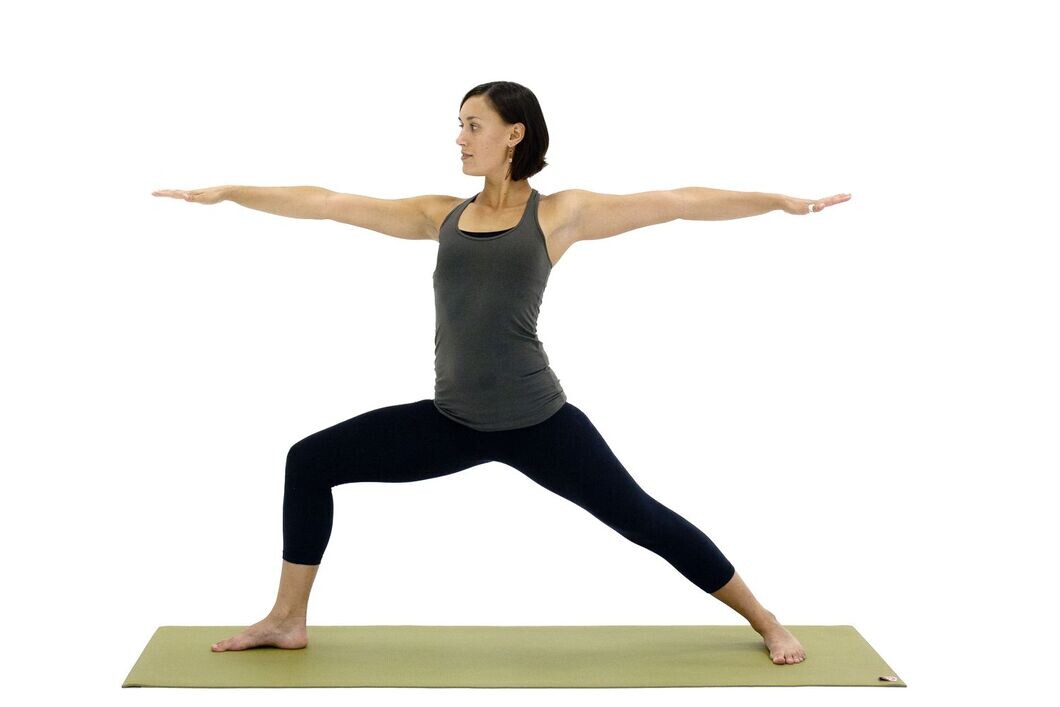
3. Warrior II (Virabhadrasana II)
Warrior II builds strength in the legs and opens the hips—ideal for those who spend long hours sitting.
- Step your left foot back about four feet, turning the left heel slightly inward.
- Pivot the right foot forward, aligning the heel with the arch of the back foot.
- Sink into a lunge, keeping the front knee over the ankle.
- Raise arms parallel to the floor, palms down, and gaze over the right hand.
Stay for three breaths, then switch sides. If the back leg feels shaky, place a yoga block under the heel for added stability.
4. Tree Pose (Vrksasana) – Simple Version
Balancing poses often feel like a test, but the simple Tree Pose is more about finding a point of focus than achieving perfect stillness.
- From Mountain Pose, shift weight onto the right foot.
- Bring the left sole to the inside of the right calf (avoid the knee).
- Press the foot lightly into the leg and the leg into the foot—think of a two‑way handshake.
- Bring hands to heart center or extend them overhead for an extra challenge.
Close your eyes if you’re comfortable; this cue helps the body rely on proprioception rather than visual cues. Even a wobble is progress.
5. Chair Pose (Utkatasana) – Modified
The name sounds intimidating, but the modified version is approachable and excellent for warming up the thighs.
- Stand with feet together, inhale, and sweep the arms overhead.
- Exhale, bend the knees slightly, and sit back as if you’re lowering onto an invisible chair.
- Keep the weight in the heels and the spine long.
- If balance is a concern, place a block or a sturdy cushion behind you for gentle support.
Maintain the pose for three to five breaths. You’ll feel a gentle burn in the quadriceps—your cue that the muscles are activating.
Putting It All Together
A simple routine might look like this: start with Mountain Pose to center yourself, flow through the forward fold, step into Warrior II on each side, find balance in Tree Pose, and finish with a brief Chair Pose. The entire sequence can be done in under ten minutes, making it easy to slot into a busy morning or an afternoon break.
Remember, the goal isn’t to achieve a perfect picture‑perfect posture but to explore how your body moves and feels. If something feels off, adjust the distance between your feet, use props, or simply ease out of the pose. Consistency beats intensity—regular short sessions will gradually build strength, flexibility, and confidence.