How to Supercharge Your Badminton Game with Smart Training
Whether you’re eyeing a local tournament or just want to dominate the court during weekend games, the difference between a good player and a great one often boils down to physical preparation. Badminton may look effortless—light racquet, swift footwork—but behind every feathered smash lies a blend of strength, agility, and endurance that’s rarely accidental.
Why Physical Conditioning Matters
Most players focus on technique first: grip, swing, and positioning. That’s essential, yet technique alone can’t compensate for a fatigued leg or a shoulder that gives out mid‑rally. Proper conditioning:
- Boosts reaction speed, letting you return drives that would otherwise flash by.
- Reduces injury risk by strengthening joints and supporting muscles.
- Improves stamina so you can keep a high intensity throughout long matches.
Think of your body as the engine that powers every skill you’ve practiced. Without a well‑tuned engine, even the most polished strokes lose their edge.
Core Areas to Target
Explosive Leg Power
Badminton’s rapid lunges and jumps demand a quick burst of force. Plyometric drills—such as box jumps, squat jumps, and lateral hops—train the fast‑twitch fibers responsible for those explosive movements. Aim for three sets of 8‑10 reps, focusing on height and speed rather than maximum weight.
Shoulder Stability and Mobility
Every overhead smash starts in the rotator cuff. Combine rotator‑cuff strengthening (e.g., external rotations with a band) with mobility work like wall angels. A routine of 2‑3 minutes per shoulder, three times a week, can keep your swing smooth and pain‑free.
Core Strength for Balance
A strong core acts like a solid foundation during those split‑second direction changes. Plank variations, Russian twists, and hanging leg raises target the deep stabilizers that keep your torso steady while you dart around the court.
Cardiovascular Endurance
Matches can stretch beyond 30 minutes of high‑intensity rallying. Interval training—alternating 30 seconds of sprinting with 30 seconds of light jog—mirrors the stop‑and‑go nature of play. Doing this 2‑3 times weekly builds the aerobic base needed for those marathon-like games.
Sample Weekly Training Plan
- Monday: Plyometrics + shoulder mobility.
- Tuesday: On‑court drills (footwork ladders, shadow swings) followed by core circuit.
- Wednesday: Rest or light yoga for recovery.
- Thursday: Interval cardio + rotator‑cuff strength.
- Friday: Full‑court scrimmage focusing on applying the week’s physical work.
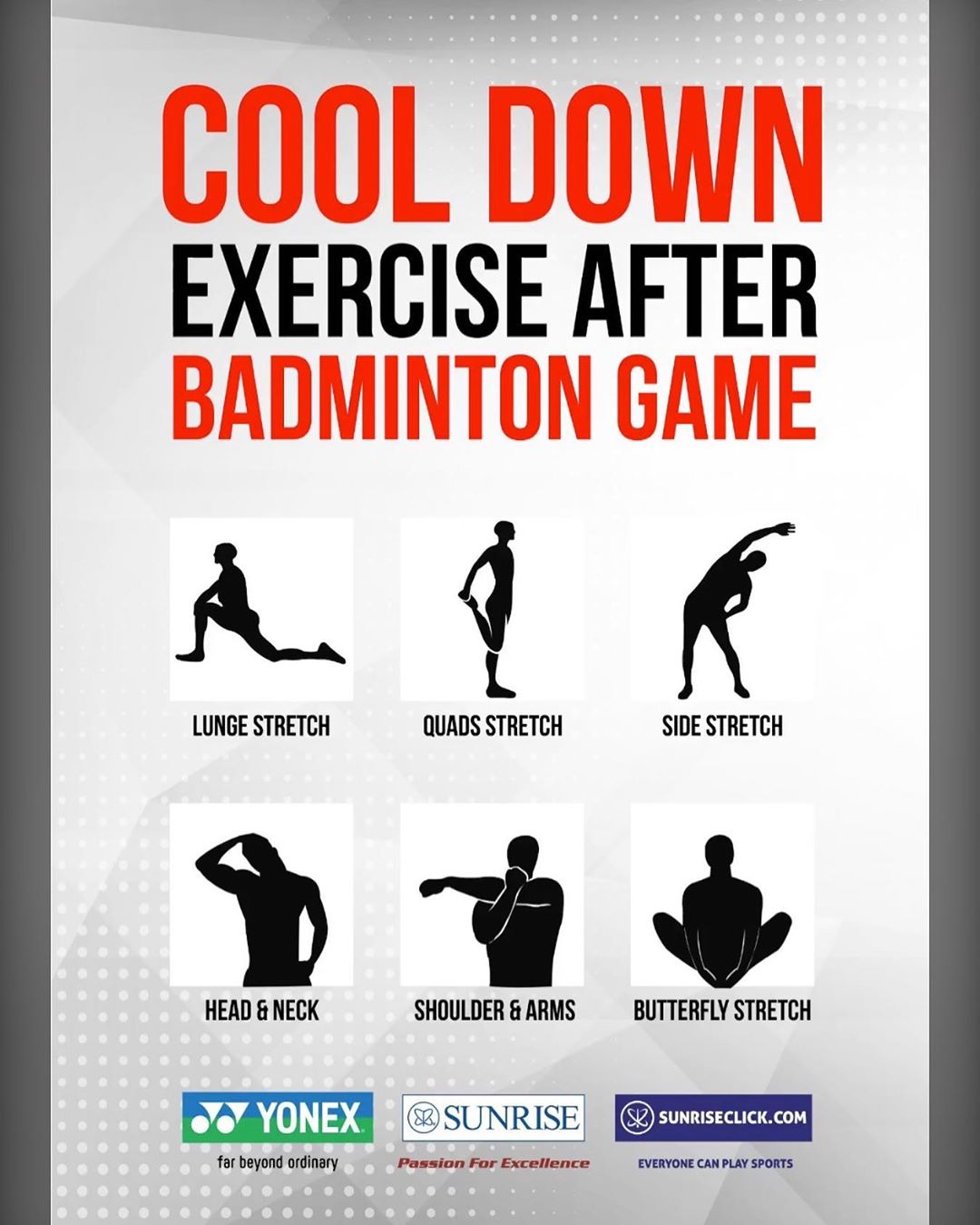
- Saturday: Flexibility session (dynamic stretches, foam rolling).
- Sunday: Optional light jog or complete rest.
Adjust the volume based on your current fitness level. The key is consistency, not intensity that leads to burnout.
Training Tips You Might Overlook
Warm‑up with purpose. A quick 5‑minute jump rope session raises heart rate while priming the calves for the quick steps that badminton demands.
Use sport‑specific equipment. Resistance bands attached to a post can simulate the pulling motion of a backhand drive, making strength work feel more relevant.
Monitor fatigue. A simple 1‑10 perceived exertion scale after each session helps you spot early signs of overtraining. If you’re consistently rating a 9, dial back the volume.
Nutrition Snapshot for Peak Performance
Even the best training plan stalls without proper fuel. Consider these quick guidelines:
- Carbohydrate‑rich meals (whole grains, sweet potatoes) 2‑3 hours before match play to stock glycogen.
- Protein sources (lean meat, legumes) within 30 minutes post‑session to aid muscle repair.
- Stay hydrated—water isn’t enough during long tournaments; a pinch of electrolytes can prevent cramping.
Listening to Your Body
There’s a fine line between pushing limits and ignoring warning signs. If a shoulder ache lingers beyond a couple of days, or a knee feels unstable after a plyometric session, give it extra rest and perhaps consult a physiotherapist. Small adjustments now can save weeks of sidelined training later.
In the end, mastering badminton is as much about the muscles you train off the court as the shots you practice on it. By incorporating explosive leg drills, shoulder stability work, core conditioning, and smart cardio, you’ll notice quicker footwork, stronger smashes, and the stamina to chase every shuttle until the final point.