How to Tell Who’s Your Niece or Nephew and What It Means
Family trees can feel like a puzzle, especially when you start adding cousins, aunts, and the occasional “who‑is‑who” moment at reunions. Two of the most common pieces people stumble over are nieces and nephews. While the terms sound simple, grasping exactly who fits each role—and why it matters—can clear up a lot of awkward introductions.
Defining the Basics
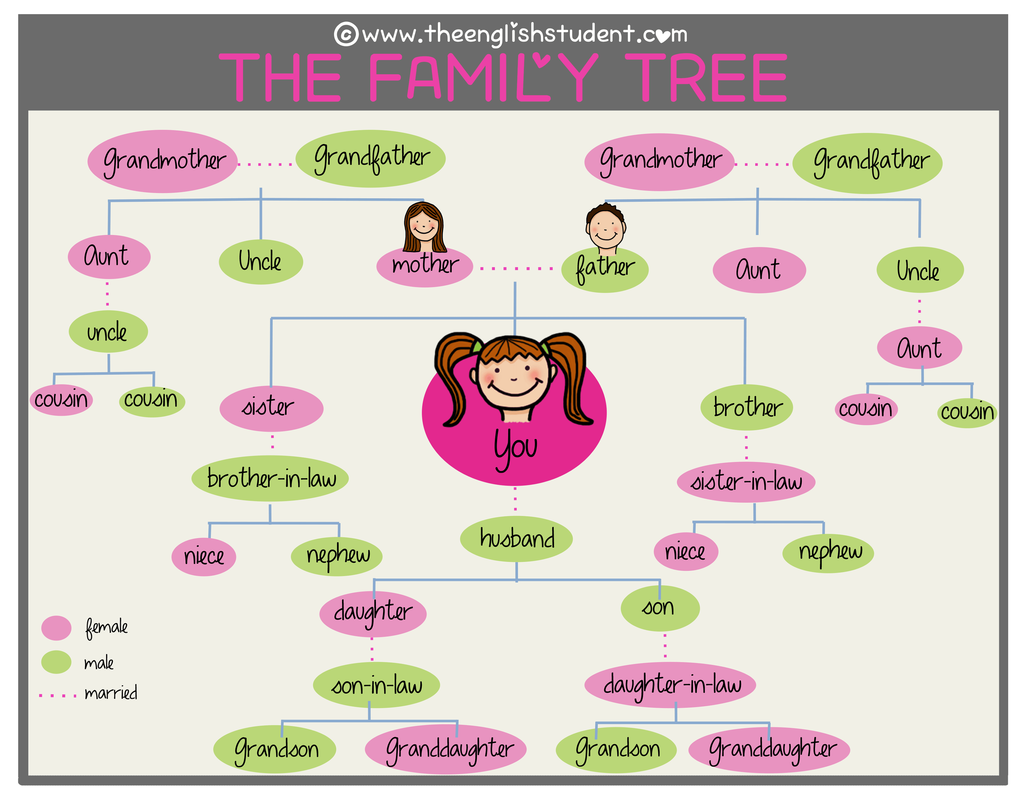
A niece is the daughter of your sibling or sibling‑in‑law. In other words, if your brother or sister has a child, that child is your niece.
A nephew follows the same pattern, but it refers to a male child of your sibling or sibling‑in‑law.
If you’re the aunt or uncle, you’re one generation above your niece or nephew. That generational gap is what gives the relationship its special, sometimes “extra‑parental” feel.
When Blood isn’t the Only Link
Adoption, step‑families, and blended households have broadened the definition. Legally and culturally, a child adopted by your brother or sister is still your niece or nephew. Likewise, a step‑child of your sibling may be called a niece or nephew, especially if the family treats them as such.
- Adopted child → same title
- Step‑child → often “niece/nephew” by choice
- Half‑sibling’s child → still a niece/nephew
Why the Title Matters
Beyond etiquette, the label carries social expectations. In many cultures, aunts and uncles play a supportive role—sometimes stepping in as mentors or secondary caregivers. Knowing the proper term helps you navigate family gatherings with confidence, and it signals respect for the child’s place in the family hierarchy.
Legal Implications
In some jurisdictions, nieces and nephews may have inheritance rights if a parent passes away without a will. Understanding the relationship can be crucial when discussing estate planning or guardianship.
Emotional Dynamics
Being an aunt or uncle often creates a unique bond: you’re close enough to be a confidant, yet distant enough to stay out of day‑to‑day parenting duties. This balance can make the relationship especially rewarding.
Common Confusions and How to Clear Them
“Is my cousin’s child my niece?” No. A cousin’s child is your first cousin once removed, not a niece or nephew.
“What about my sibling’s spouse’s sibling’s child?” That child is unrelated by blood; the title doesn’t apply unless the family chooses to use it informally.
When in doubt, ask politely or follow the family’s own naming conventions. Most people appreciate the effort to get it right.
Quick Reference Guide
- Sibling’s daughter → niece
- Sibling’s son → nephew
- Sibling‑in‑law’s child → niece/nephew (by marriage)
- Adopted sibling’s child → niece/nephew
- Cousin’s child → first cousin once removed
Keeping this cheat sheet handy can save you from that awkward pause before you greet a child at a family event.
Embracing the Role
Whether you’re planning a birthday party, offering advice on school projects, or simply sharing a laugh, the aunt/uncle title invites a special kind of involvement. It’s a chance to be present without the full responsibility of parenting—a space many cherish.
So, next time you’re introduced to a bright‑eyed youngster at a gathering, you’ll know exactly whether to call them your niece or nephew, and you’ll understand the subtle expectations that come with the title.