How to Understand Non‑Tax Revenue Examples for Class 10
Why Non‑Tax Revenue Matters in School Economics
When you open a textbook for Class 10, the chapter on public finance often feels abstract. Yet the notion of non‑tax revenue is surprisingly concrete—it’s the money governments collect without imposing a tax. Grasping a few everyday examples helps you see how public services stay afloat, even when tax rates stay the same.
Defining Non‑Tax Revenue in Simple Terms
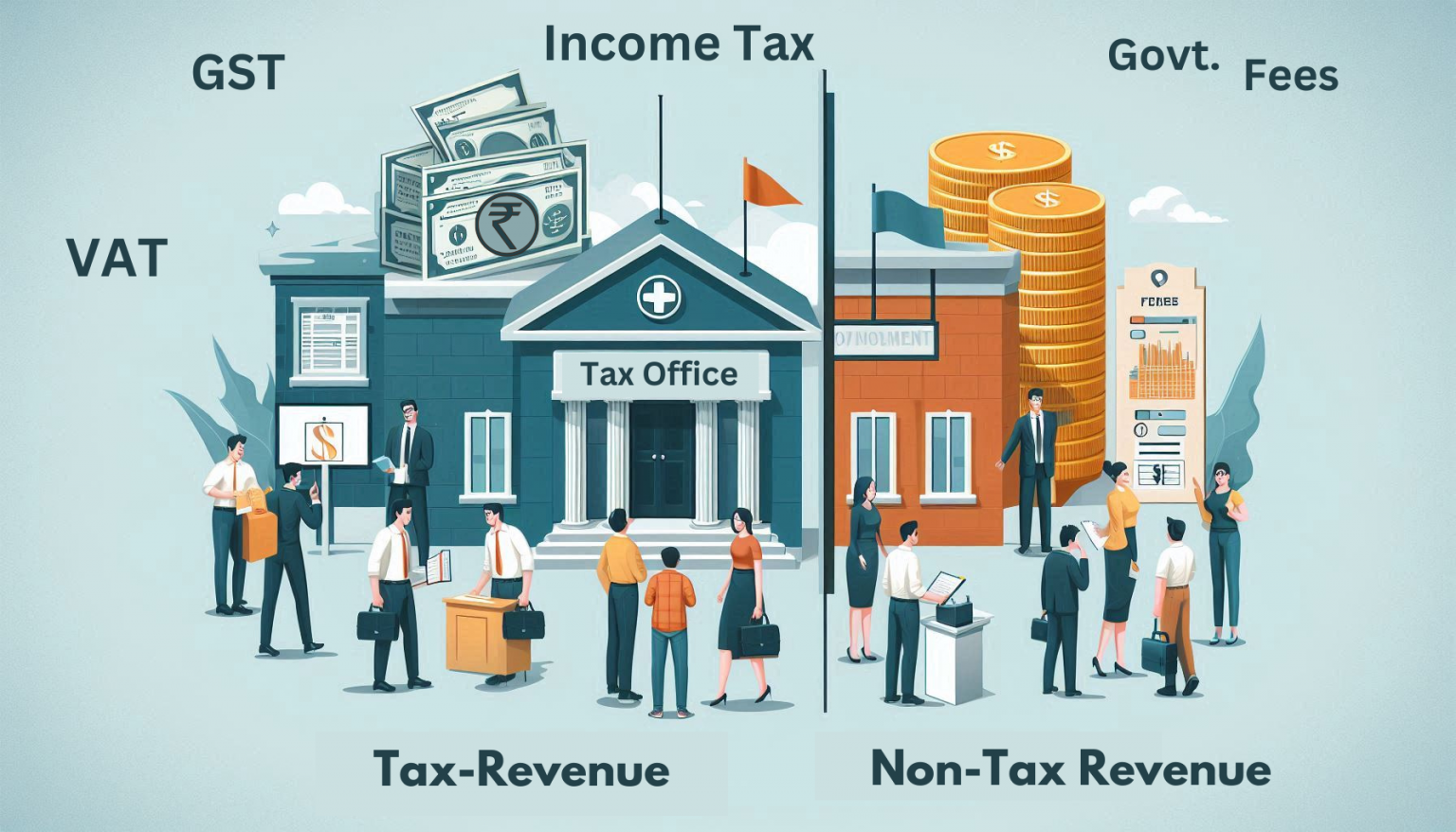
Non‑tax revenue is any income that a government earns apart from taxes. Think of it as the “extra” cash that comes from fees, fines, profits, or gifts. Unlike taxes, which are compulsory levies on income, sales, or property, non‑tax revenue usually results from a specific transaction or activity.
Key Features
- Voluntary or conditional: Most of it is paid because someone used a service or broke a rule.
- Varied sources: From bank interest to royalties for natural resources.
- Often earmarked: Some revenues, like park entrance fees, are earmarked for particular projects.
Common Examples That Fit the Class‑10 Curriculum
Below are the most frequently mentioned examples in textbooks, each paired with a brief real‑world illustration.
- Fees and Charges – The government may charge for issuing passports, driving licences, or land registration. These fees cover administrative costs and generate surplus.
- Fines and Penalties – Traffic violations, environmental breaches, or late payment of utility bills all bring in fines. They serve both as deterrents and revenue streams.
- Interest Income – Money kept in the central bank’s reserves or in sovereign wealth funds earns interest, which is recorded as non‑tax revenue.
- Dividends from Public Enterprises – State‑owned companies like railways or electricity boards pay part of their profit back to the treasury.
- Royalties and Rents – When private firms extract minerals or use government‑owned land, they pay royalties or rent to the state.
- Donations and Grants – International organisations, NGOs, or philanthropists may donate funds for specific projects, such as health camps or education schemes.
- Sale of Assets – Occasionally, the government sells surplus land or equipment, turning a one‑time asset into cash.
How These Revenues Impact Public Services
Non‑tax revenue isn’t just a nice‑to‑have; it often fills gaps in budget planning. For instance, the fees collected from national parks are frequently reinvested to maintain trails, hire rangers, and keep facilities clean. Similarly, fines from traffic violations often fund road safety campaigns, creating a feedback loop where the source of the revenue helps solve the problem that generated it.
Distinguishing Between Tax and Non‑Tax Income
While the two categories both end up in the national exchequer, they differ in predictability and purpose.
- Predictability: Tax revenue tends to be steadier, reflecting broad economic activity. Non‑tax revenue can be irregular—think of a one‑off sale of a government‑owned building.
- Purpose: Taxes fund general government functions, whereas many non‑tax streams are earmarked for specific services, like university tuition fees supporting higher‑education budgets.
Tips for Remembering the Examples
When prepping for a Class 10 exam, a quick mnemonic can help:
F‑I‑D‑R‑R‑D‑S – Fees, Interest, Dividends, Royalties, Rents, Donations, Sale of assets.
Write it on a sticky note, and each time you see a question about non‑tax revenue, run through the letters. The rhythm makes recall easier than rote memorisation.
Applying the Concept: A Mini‑Case Study
Imagine a coastal state that relies heavily on tourism. It collects entry fees for its beaches, issues permits for fishing, and receives royalties from offshore oil drilling. In a fiscal year, those three streams together cover 15 % of the state’s budget, allowing it to fund a new coastal cleanup programme without raising taxes. The example shows how non‑tax revenue can be a strategic tool for local development.
Common Mistakes Students Make
Many learners blur the line between “tax” and “non‑tax” simply because the word “revenue” sounds generic. To avoid this, always ask yourself: “Is the money compulsory for everyone, or is it tied to a specific activity or service?” If the answer is the latter, you’re looking at non‑tax revenue.
Quick Recap
- Non‑tax revenue = income from fees, fines, interest, dividends, royalties, gifts, and asset sales.
- It often supports targeted projects and can be less predictable than tax income.
- Remember the mnemonic F‑I‑D‑R‑R‑D‑S for exam‑time recall.

_All_1768637207.jpg)