How to Understand the ‘Q’ in V/Q Mismatch
What Does V/Q Actually Mean?
When doctors talk about ventilation‑perfusion, or V/Q, they’re describing a balance that’s essential for efficient gas exchange in the lungs. Ventilation (V) refers to the air that reaches the alveoli, while perfusion (Q) is the blood flow that brings carbon‑dioxide‑rich blood to those same alveoli.
If either side of the equation is off‑kilter, oxygen can’t get into the bloodstream as effectively, and the body feels the pinch.
Why the Letter Q Gets So Much Attention
The “Q” part often feels mysterious because it isn’t as visible as the air you breathe in. In reality, it’s simply a shorthand for cardiac output to the pulmonary capillaries. Think of it as the river that carries blood through the lungs, delivering carbon dioxide to be swapped for oxygen.
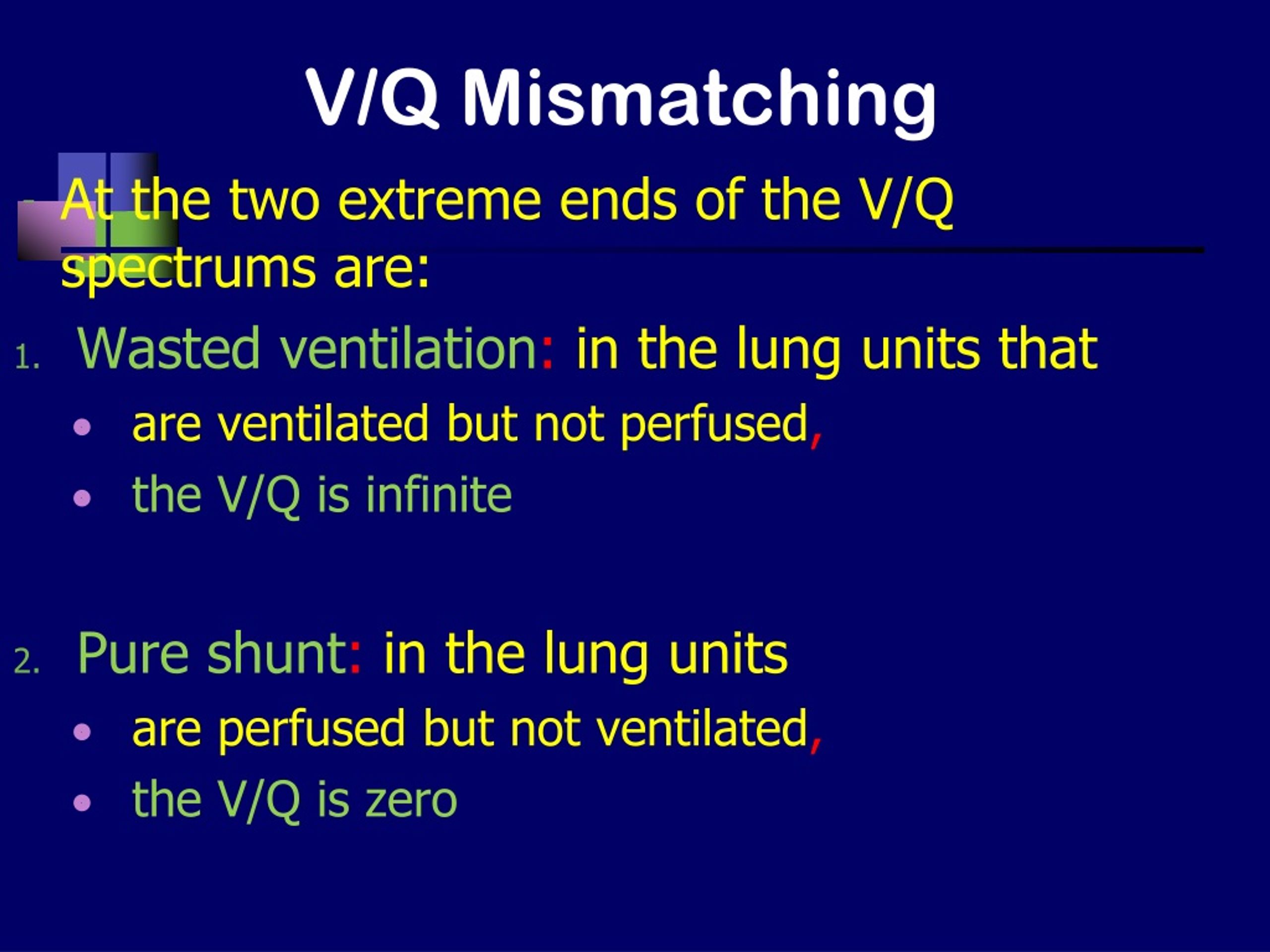
When a clinician writes “V/Q mismatch,” they’re really saying that the ratio of ventilation to perfusion is abnormal—either too much air for the blood, or too much blood for the air.
Common Scenarios That Skew the Ratio
- Pneumonia or pulmonary edema: Airways fill with fluid, lowering ventilation while perfusion stays the same—so V/Q drops.
- Pulmonary embolism: A clot blocks blood flow, dropping Q and pushing the ratio upward.
- Chronic obstructive pulmonary disease (COPD): Airways narrow, reducing ventilation and creating pockets of low V/Q.
How Clinicians Estimate Q
Directly measuring perfusion in each lung segment isn’t practical in a routine exam. Instead, doctors rely on indirect clues:
• Arterial blood gases (ABG): The partial pressure of oxygen (PaO₂) and carbon dioxide (PaCO₂) hint at whether ventilation or perfusion is the problem.
• Imaging studies: A ventilation‑perfusión scan (V/Q scan) uses radioactive tracers to spotlight mismatched regions.
These tools don’t give a precise “Q” number, but they paint a reliable picture of where the balance is off.
Mathematical Insight—Briefly
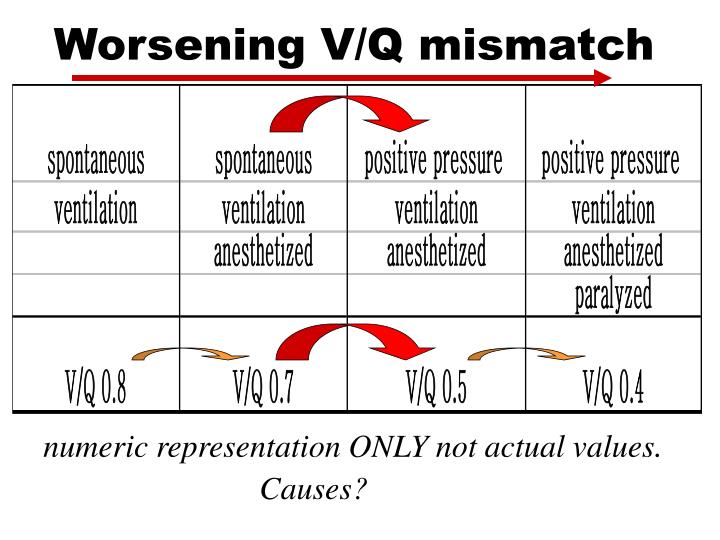
The classic V/Q ratio hovers around 0.8 in a healthy adult. That figure comes from dividing total ventilation (about 4 L/min) by total perfusion (roughly 5 L/min). When you hear “V/Q mismatch,” it’s a shorthand for “the ratio deviates from that sweet spot.”
Clinical Implications of a Low Q
A reduced perfusion can stem from anything that blocks blood flow. The outcome is often:
- Hypoxemia – low oxygen levels because blood isn’t reaching well‑ventilated alveoli.
- Compensatory tachypnea – breathing faster to pull more oxygen into the lungs.
In severe cases, the body may shunt blood away from poorly perfused areas, a process called “right‑to‑left shunting,” which further worsens oxygen delivery.
When Q Is Too High
Although less common, an excess of perfusion relative to ventilation can happen in conditions like early COPD or in areas of the lung that are over‑perfused but under‑ventilated. The resulting low V/Q ratio can lead to retained carbon dioxide and a feeling of “air hunger.”
Practical Tips for Students
Remember these quick take‑aways when you see the letter Q in a pulmonary context:
- Q = perfusion, essentially blood flow through the lungs.
- V/Q mismatch = any deviation from the normal ratio, indicating a problem with either ventilation, perfusion, or both.
- Look for clues in ABG results and imaging to infer whether Q or V is the culprit.
Bottom Line
The “Q” in V/Q mismatch isn’t a mysterious variable; it’s simply the shorthand for pulmonary blood flow. Understanding that helps you decode why certain diseases cause low oxygen levels and directs you toward the right diagnostic steps. Next time you glimpse a V/Q scan, you’ll know exactly what that little “Q” is trying to tell you.