How to Unlock OSINT: A Practical Guide to Open Source Intelligence
In a world where data drifts across blogs, social feeds, and public databases, open source intelligence (OSINT) has become the low‑cost, high‑impact way to answer questions that once required a spy’s notebook. Whether you’re a journalist chasing a lead, a security analyst mapping a threat landscape, or a small business owner checking a competitor’s moves, the fundamentals of OSINT are surprisingly approachable. This guide walks you through the mindset, the tools, and the ethical checkpoints that turn random scraps of information into actionable insight.
What Is Open Source Intelligence (OSINT)?
At its core, OSINT is any information that is publicly accessible—no covert operations, no hacking. Think of it as digital archaeology: you dig through websites, social media posts, government archives, and even satellite imagery to piece together a story. The “open source” part distinguishes it from classified or proprietary data; everything you collect could, in theory, be found by anyone with an internet connection.
Because the source is public, the biggest challenges aren’t technical barriers but rather the sheer volume of material and the need to verify authenticity. A single tweet might hint at a larger trend, but without cross‑checking, you could be chasing a rumor.
Why OSINT Matters Today
- Speed. Real‑time monitoring of social platforms can reveal emerging crises before mainstream media catches up.
- Cost‑effectiveness. Most tools are free or inexpensive, making OSINT accessible to startups and NGOs.
- Breadth of perspective. Public data reflects a range of viewpoints, helping avoid the tunnel vision that often accompanies closed‑source investigations.
These advantages explain why OSINT has migrated from the backrooms of intelligence agencies to boardrooms, classrooms, and even hobbyist circles.
Building an OSINT Workflow
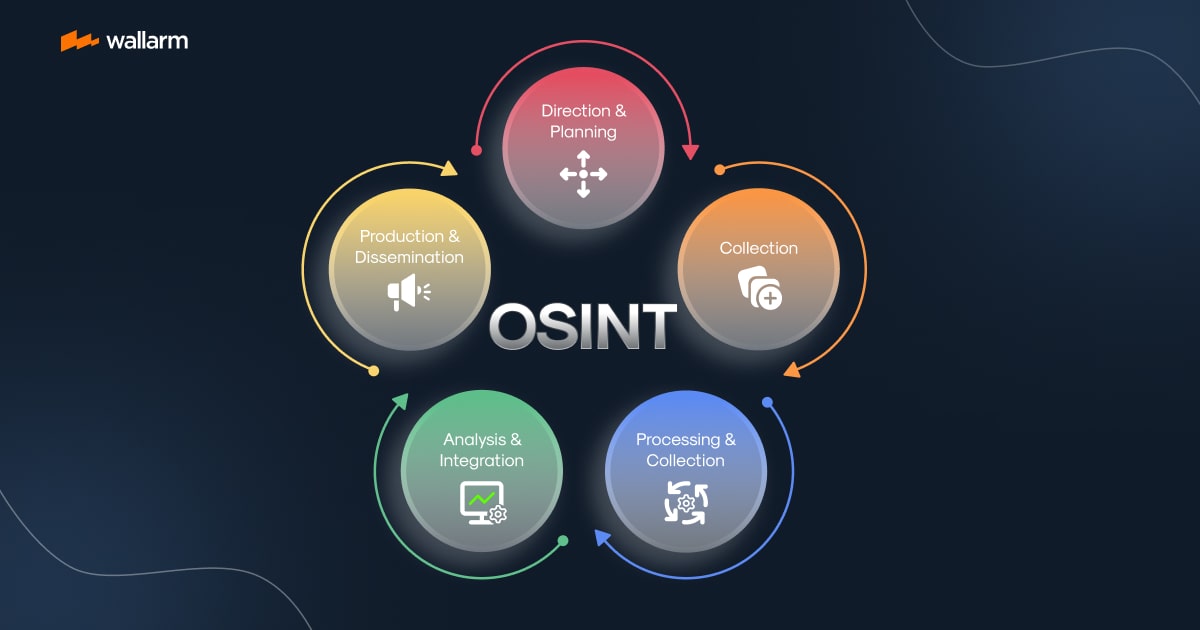
A solid workflow keeps you organized and reduces the risk of overlooking crucial details. Below is a five‑step loop that works for most projects:
- Define the objective. Clarify the question you need answered—e.g., “Who is behind this phishing campaign?” or “What is the market sentiment about product X?”
- Select the right sources. Identify platforms where relevant data lives: news sites, forums, LinkedIn, government registries, or satellite providers.
- Collect systematically. Use web scrapers, RSS feeds, or APIs to gather raw material. Avoid manual copy‑pasting whenever you can automate.
- Validate and corroborate. Cross‑reference facts across at least two independent sources. Look for timestamps, author credentials, and digital signatures.
- Analyze and report. Turn the vetted data into charts, timelines, or concise briefs tailored to your audience.
Repeating this loop refines your findings and helps you stay on target when the information landscape shifts.
Essential Tools for the OSINT Toolbox
No single platform covers all bases, but a combination of free and low‑cost services can handle most tasks.
Search and Discovery
- Google Dorks. Advanced search operators (e.g.,
site:gov filetype:pdf “budget 2024”) surface hidden documents. - Shodan. A search engine for internet‑connected devices—useful for identifying exposed webcams or servers.
Social Media Mining
- TweetDeck or Hootsuite. Real‑time monitoring of keywords and hashtags across multiple accounts.
- CrowdTangle. Tracks how content spreads on Facebook and Instagram, revealing amplification patterns.
Geolocation and Imagery
- Google Earth Pro. Historical satellite images help verify claims about construction or environmental changes.
- ExifTool. Extracts metadata from photos, which can expose timestamps, device models, and GPS coordinates.
Remember to respect each platform’s terms of service. Scraping beyond allowed limits can land you in legal gray areas.
Legal and Ethical Considerations
Because OSINT works with public data, many assume it’s automatically permissible. The reality is more nuanced. While you’re not breaking encryption or hacking, you still need to:
- Honor privacy laws such as the GDPR in Europe or CCPA in California, especially when handling personal data.
- Avoid “doxing”—publishing private details that could endanger individuals.
- Attribute sources when possible, both to respect intellectual property and to bolster credibility.
When in doubt, consult a legal professional familiar with digital investigations. Ethical guidelines, like those from the OSINT Foundation, encourage a “need‑to‑know” approach: gather only what’s necessary for the task at hand.
Real‑World Applications
To illustrate OSINT’s versatility, here are three brief case studies:
Journalism
A reporter tracing a corporate scandal cross‑checked press releases, LinkedIn employee histories, and court filings. The resulting timeline exposed a pattern of undisclosed subsidiaries, prompting regulatory scrutiny.
Cybersecurity
A security team monitoring dark‑web forums spotted a leak of internal credentials. By correlating usernames with a breached email list, they identified the source and patched the vulnerability before a major breach occurred.
Humanitarian Aid
During a natural disaster, NGOs used satellite imagery and crowd‑sourced location tags to map inaccessible roads, directing relief convoys to the most urgent areas.
Tips for Staying Ahead in the OSINT Game
- Automate routine queries. Schedule daily alerts for key terms to catch new data as it appears.
- Keep a source log. Document URLs, access dates, and any transformations you apply—this makes reproducibility easier.
- Learn basic coding. Simple Python scripts can parse JSON feeds, clean up text, or batch‑download images.
- Engage with the community. Forums like r/OSINT on Reddit share fresh tools and techniques weekly.
Frequently Asked Questions
Is OSINT legal for private investigators?
Yes, as long as the investigator only uses publicly available information and respects privacy regulations. Many jurisdictions explicitly allow the use of open sources, but local laws vary, so it’s wise to check regional statutes.
Can OSINT replace paid data services?
Not entirely. Paid services often aggregate, clean, and certify data, which saves time. However, for many exploratory or early‑stage projects, free OSINT methods can achieve comparable insights.
How do I verify the credibility of an anonymous online source?
Look for corroboration from at least two independent outlets, check the history of the account (posting patterns, language style), and assess any digital footprints like metadata or linked domains. When possible, trace the information back to a primary source.
.png)


