How to Write an Accounting CV When You Have No Experience
Why a “No‑Experience” CV Can Still Shine
Employers know that fresh graduates and career‑changers are a reality in today’s job market. What they really look for is potential—evidence that you grasp the fundamentals of accounting and can translate classroom learning into real‑world results. A well‑crafted CV can convince a hiring manager that, even without a full‑time stint on a balance sheet, you’re ready to roll up your sleeves.
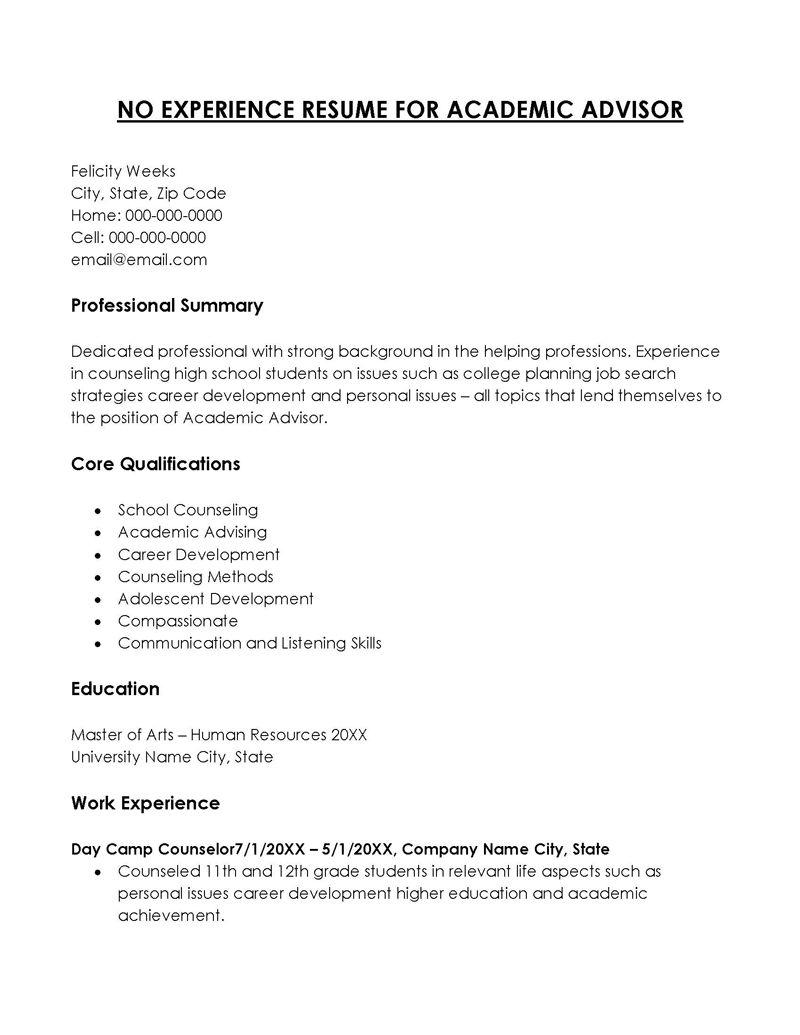
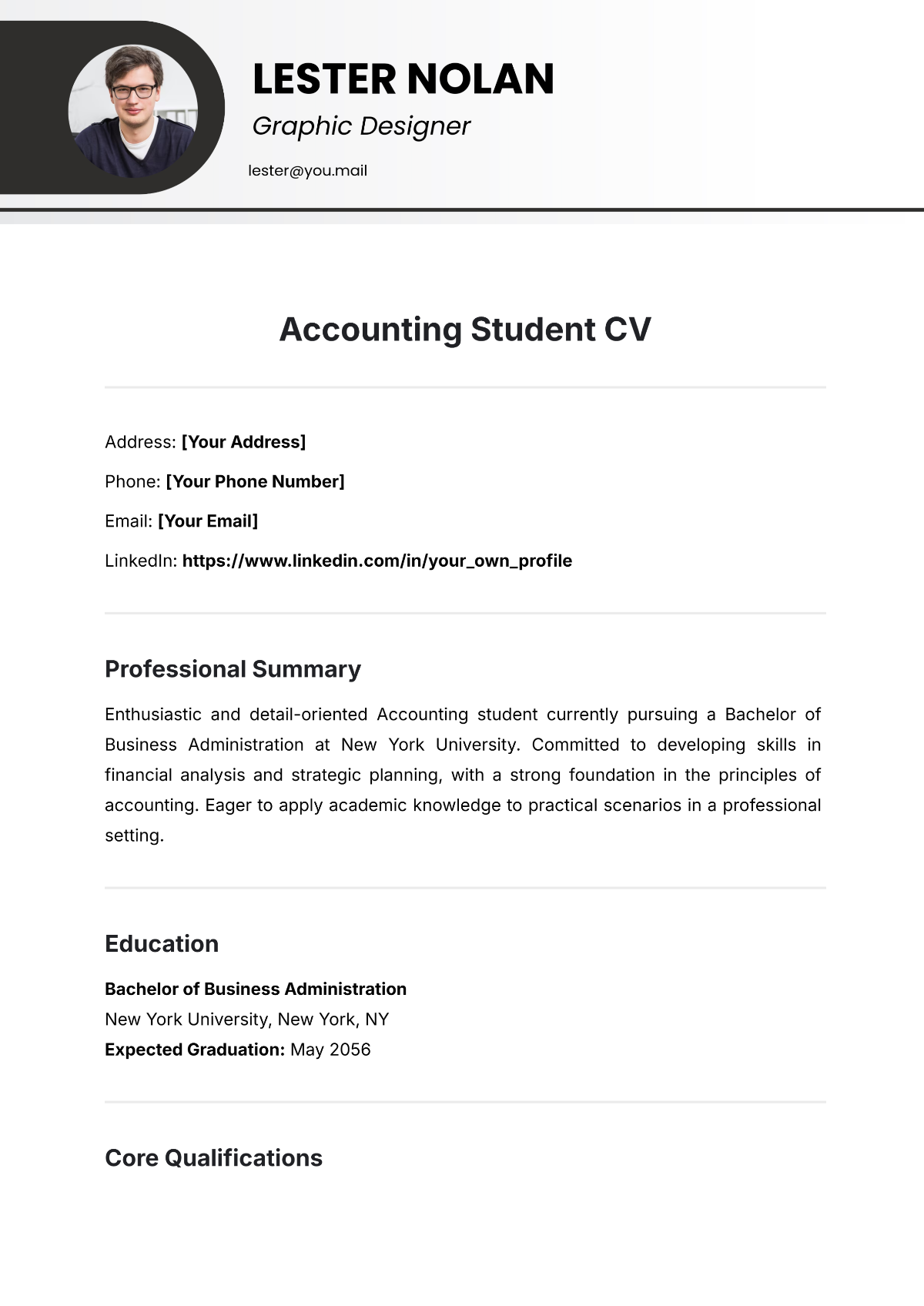
Start With a Strong Professional Summary
Think of the summary as your elevator pitch. In two or three sentences, blend your academic background, any relevant projects, and the soft skills that matter in finance.
- Example: “Recent B.Com graduate with a 3.8 GPA, proficient in QuickBooks and Excel, eager to apply strong analytical abilities and a detail‑oriented mindset to a junior accounting role.”
Notice the focus on concrete abilities rather than vague statements like “hardworking” or “team player.”
Showcase Education With a Business‑Focused Lens
When you lack work history, your coursework becomes a vital selling point. List your degree, university, and graduation date, then cherry‑pick modules that align with the job description.
- Financial Accounting
- Management Accounting
- Taxation Fundamentals
- Auditing Practices
If you earned honors, scholarships, or maintained a high GPA, let that shine. A brief bullet such as “Dean’s List, 2022‑2023” can add instant credibility.
Leverage Projects, Internships, and Volunteer Work
Any hands‑on experience, however brief, deserves a spot. Treat a class project like a real assignment: describe the objective, the tools you used, and the outcome.
Case Study: Simulated Month‑End Close
“Collaborated with a team of four to execute a mock month‑end close for a fictitious retail company. Utilized Excel pivot tables to reconcile accounts, identified a 2% variance, and presented findings to the professor, receiving commendation for accuracy.”
Even volunteer roles—like managing the books for a university club—can be framed similarly. The key is to quantify wherever possible.
Highlight Technical Proficiency
Accounting software knowledge can be a make‑or‑break factor. List the platforms you’ve trained on, and note the level of competence.
- QuickBooks – Intermediate (course certification)
- Microsoft Excel – Advanced (VLOOKUP, macros, data visualization)
- SAP ERP – Basic (introductory workshop)
If you’ve completed online modules from Coursera, LinkedIn Learning, or similar sites, mention the certificate titles. It signals initiative.
Soft Skills That Complement the Numbers
Accounting isn’t just about debits and credits; it’s also about communication, ethics, and problem solving. Weave these attributes into a concise list.
- Strong analytical mindset
- Meticulous attention to detail
- Effective written and verbal communication
- Time‑management under tight reporting deadlines
Rather than a generic “good communicator,” tie it back to a specific scenario—perhaps a presentation you gave on financial statements.
Structure Your CV for Quick Scanning
Recruiters skim dozens of resumes daily. Use clean headings, bullet points, and consistent formatting. A typical order works well:
- Professional Summary
- Education
- Relevant Projects & Experience
- Technical Skills
- Soft Skills
Leave generous white space and avoid dense blocks of text. One‑page length is ideal for entry‑level candidates.
Tailor Each Application
Even if you’re applying for multiple accounting roles, a one‑size‑fits‑all CV rarely lands an interview. Scan the job posting for keywords—“GAAP compliance,” “reconciliation,” “financial reporting”—and echo those exact phrases in your bullet points. This not only passes automated filters but also reassures the hiring manager that you understand the role’s core duties.
Cover Letter: Your Secret Weapon
A brief, personalized cover letter can fill the gaps a CV leaves. Highlight one or two achievements from your academic work that align with the company’s focus. For example, “My capstone project on cash‑flow forecasting directly relates to your need for accurate short‑term liquidity analysis.” Keep it to three concise paragraphs.
Final Checks Before Hitting Send
Give your CV a once‑over for the usual suspects: spelling errors, inconsistent dates, and mismatched fonts. Then, ask a peer or mentor to review it—fresh eyes often catch subtle slip‑ups.
Lastly, save the file as “FirstName_LastName_Accounting_CV.pdf.” A professional file name signals attention to detail, an essential trait for any accountant.
![Accountant Cv How To Write A Flawless Accountant CV [Sample Included]?](https://resumegenius.com/wp-content/uploads/accounting-resume-sample.png?w=1200)

