How to Write Police Report Examples: A Student's Guide
Ever stared at a blank page, wondering how to turn a chaotic incident into a clear, factual police report? You’re not alone. Many students—especially those studying criminology, law, or journalism—need a solid template that balances precision with readability. Below is a practical walk‑through, sprinkled with real‑world examples, so you can draft reports that meet official standards without feeling like you’re writing a novel.
Why Police Reports Matter for Students
Beyond classroom assignments, a well‑crafted report can be a valuable portfolio piece. It shows you can:
- Distinguish between subjective impressions and objective facts.
- Organize information logically under time pressure.
- Follow legal and procedural guidelines that professionals expect.
In short, mastering this skill boosts both academic grades and future employability.
Core Components Every Report Should Contain
Think of a police report as a puzzle. Each piece—date, location, parties involved—must fit perfectly for the picture to make sense.
1. Header Information
Start with the basics: report number, date, time, and the officer’s badge number. Even in a student setting, this adds legitimacy.
2. Incident Summary
A concise paragraph (2‑3 sentences) that answers the five Ws: who, what, when, where, and why (if known). Avoid adjectives like “dangerous” unless they’re quoted directly.
3. Detailed Narrative
Here’s where you flesh out the story. Use chronological order, keep sentences short, and stick to observable facts. If you heard something, note “the witness reported…”.
4. Evidence Log
List photographs, sketches, or collected items. Include timestamps and who handled each piece.
5. Conclusion & Recommendations
Wrap up with any follow‑up actions: “Officer will submit the evidence to the forensic lab.” This signals a closed loop.
Step‑by‑Step Example: From Incident to Finished Report
Let’s walk through a typical scenario: a minor shoplifting case on a campus bookstore.
Step 1 – Gather Basic Data
Badge: 1024
Report #: 2023‑0187
Date/Time: 12 Oct 2023, 14:05
Location: Campus Bookstore, A‑Wing
Step 2 – Write the Incident Summary
At approximately 14:00, Officer 1024 observed a male student, later identified as John Doe (ID #56789), concealing a textbook within his backpack and exiting the store without paying.
Step 3 – Expand the Narrative
Officer approached the suspect, introduced himself, and asked for an ID. Doe complied, appearing nervous. A quick bag check revealed a 75‑page textbook (ISBN 978‑0‑13‑110362‑7). The store clerk confirmed the item’s price was $45.
Doe claimed he had forgotten to pay, but the store’s CCTV footage (timestamp 14:02) shows the transaction never completed. No force or threat was used.
Step 4 – Log the Evidence
- Photo #1: Front view of the textbook.
- Photo #2: CCTV still at 14:02, showing the suspect walking away.
- Evidence Tag: #E2023‑0187‑01, placed in evidence locker 3.
Step 5 – Conclude
Doe was cited for petty theft under Campus Code §12.3 and instructed to appear at the disciplinary hearing on 20 Oct 2023. Officer submitted the evidence to the university police department for records.
Common Pitfalls and How to Dodge Them
Even seasoned officers slip up. Keep an eye out for these rookie errors:
- Subjective language: Replace “he looked suspicious” with “the officer noted a rapid, concealed movement.”
- Verb tense confusion: Stick to past tense for actions that have already occurred.
- Over‑detail: Only include information that directly supports the incident; extraneous background can muddy the report.
- Missing identifiers: Never omit badge numbers, report IDs, or timestamps.
Sample Templates You Can Adapt
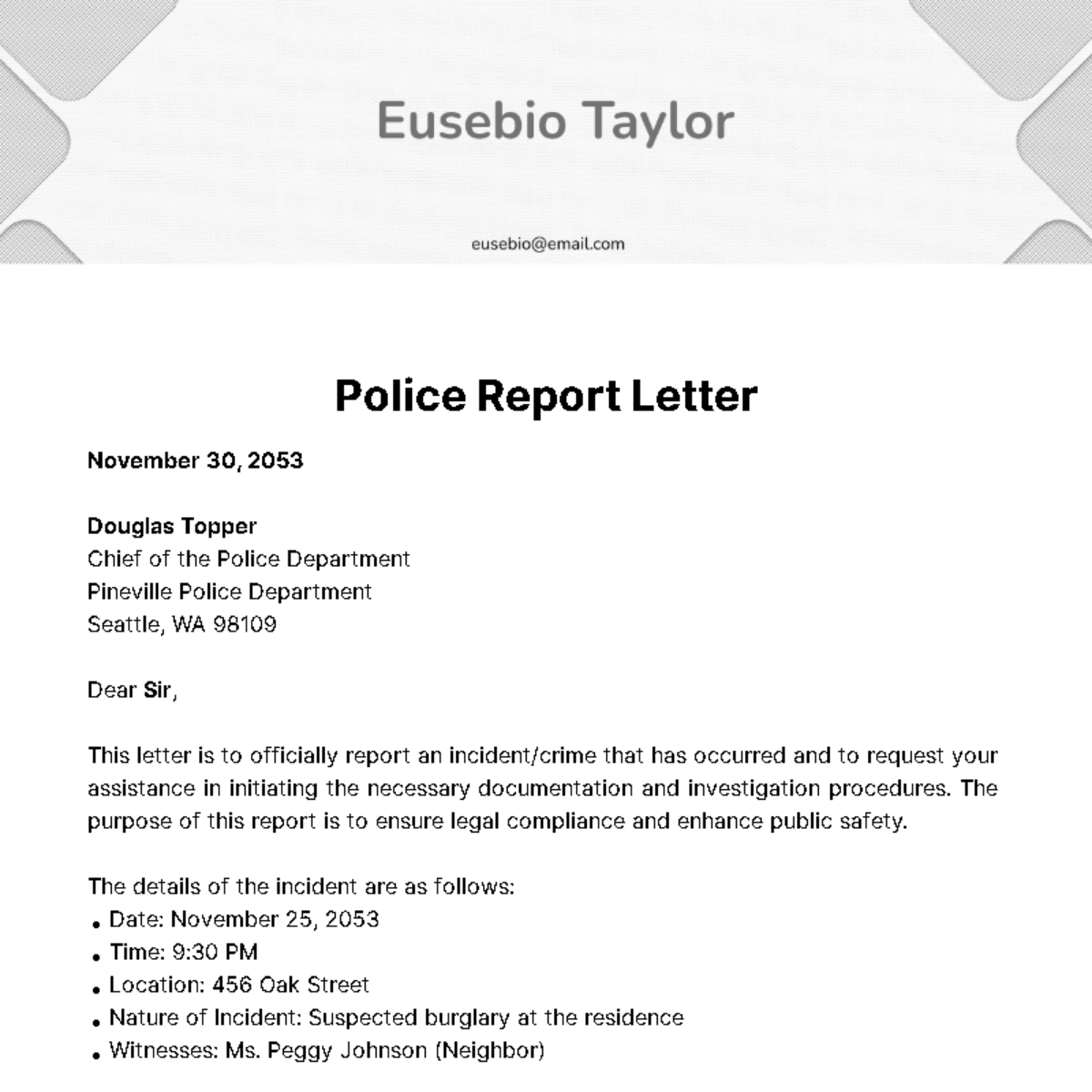
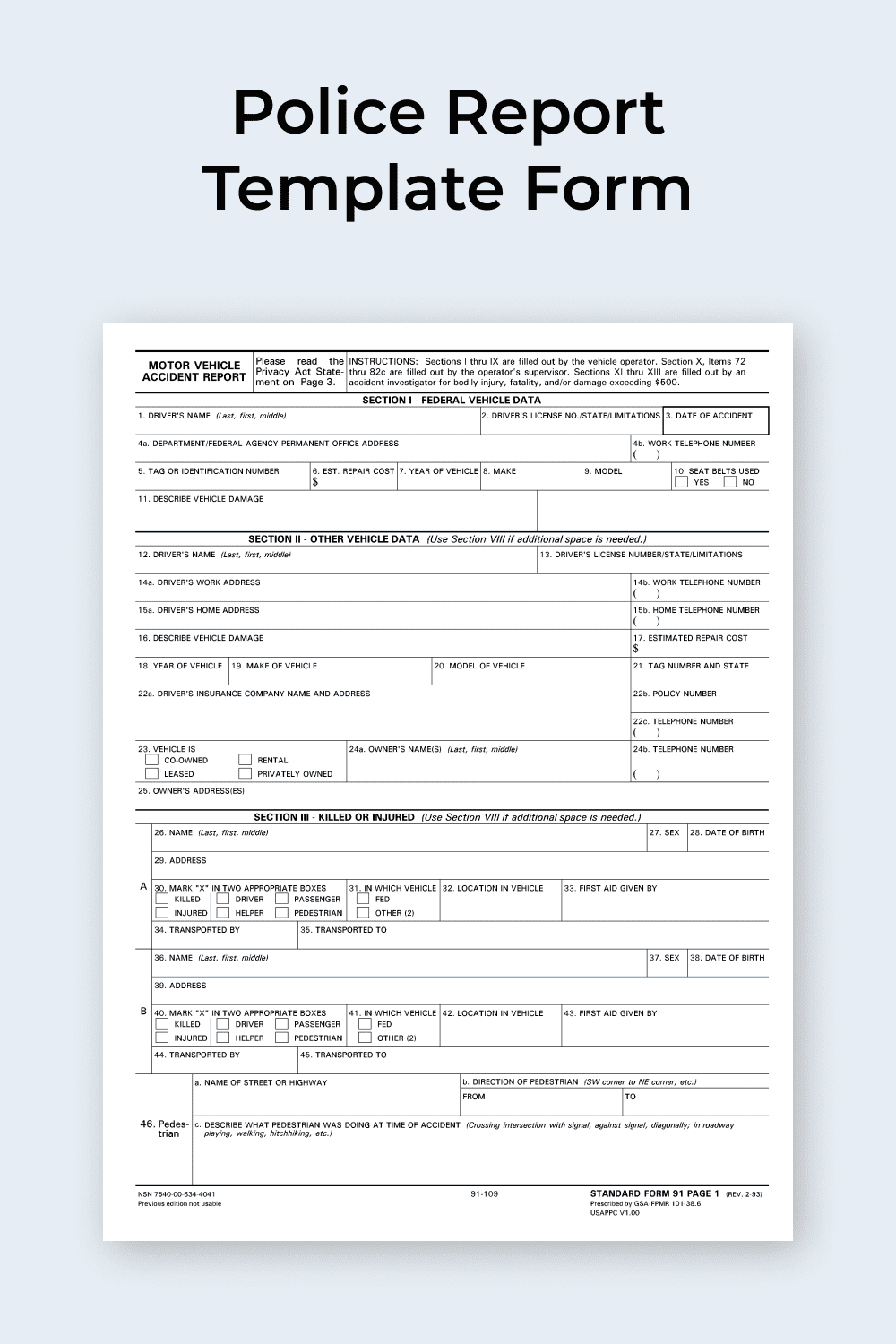
Downloadable templates are a lifesaver, but here’s a quick HTML‑friendly skeleton you can copy into any word processor.
<h2>Report Header</h2>
Badge #: __________ Report #: __________ Date/Time: __________
Location: ___________________________________________
<h2>Incident Summary</h2>
[Brief 2‑3 sentence overview]
<h2>Narrative</h2>
[Chronological facts, one per paragraph]
<h2>Evidence</h2>
- Item 1: ___________________ (Tag #_____)
- Item 2: ___________________ (Tag #_____)
<h2>Conclusion</h2>
[Follow‑up actions, citations, or referrals]
Plug your details in, double‑check for bias, and you’ll have a polished report ready for submission.
Tips for Adding Polish Without Over‑Engineering
After you finish the first draft, take a short break. Return with fresh eyes and ask:
- Are all statements verifiable?
- Did I maintain a neutral tone?
- Is the chronological flow obvious?
A quick read‑aloud can reveal awkward phrasing that you might miss on screen.
Final Thoughts on Practicing Your Craft
Writing police reports isn’t just an academic exercise; it’s a rehearsal for real‑world documentation. Treat each assignment as a miniature case file. The more you practice, the more instinctive the structure becomes, and soon you’ll be drafting reports that read like they belong on an official police blotter.