How U.S. Warnings May Impact Saudi Arabia’s Economic Outlook
When the United States tiptoes around Saudi Arabia’s fiscal plans, it’s rarely a casual chat. From oil price whispers to broader geopolitical undercurrents, U.S. signals often ripple through Riyadh’s budgeting rooms, influencing everything from sovereign wealth allocations to private‑sector confidence. Let’s unpack what’s happening, why it matters, and where the kingdom might be headed.
Why the United States Is Speaking Up Now
Two forces are converging:
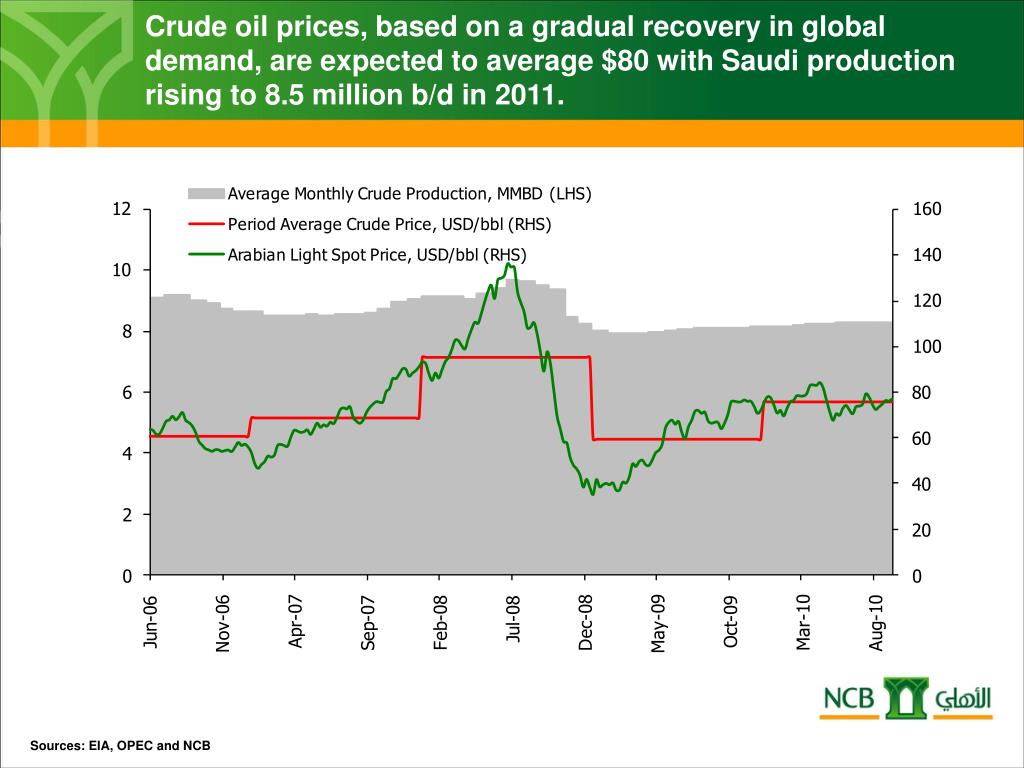
- Energy market volatility. With global oil demand still recovering from pandemic lows, any hint of oversupply or price dips triggers immediate concern in a country that still leans heavily on petroleum revenues.
- Strategic realignment. Washington is recalibrating its Middle‑East posture, balancing ties with Israel, Iran, and the Gulf states. Economic stability in Saudi Arabia is a key piece of that puzzle.
The latest U.S. statements—ranging from congressional briefings to Treasury remarks—have cautioned against over‑reliance on oil and urged diversification. While seemingly advisory, the undertone is clear: the U.S. expects Riyadh to accelerate its “Vision 2030” reforms.
Saudi Arabia’s Current Economic Landscape
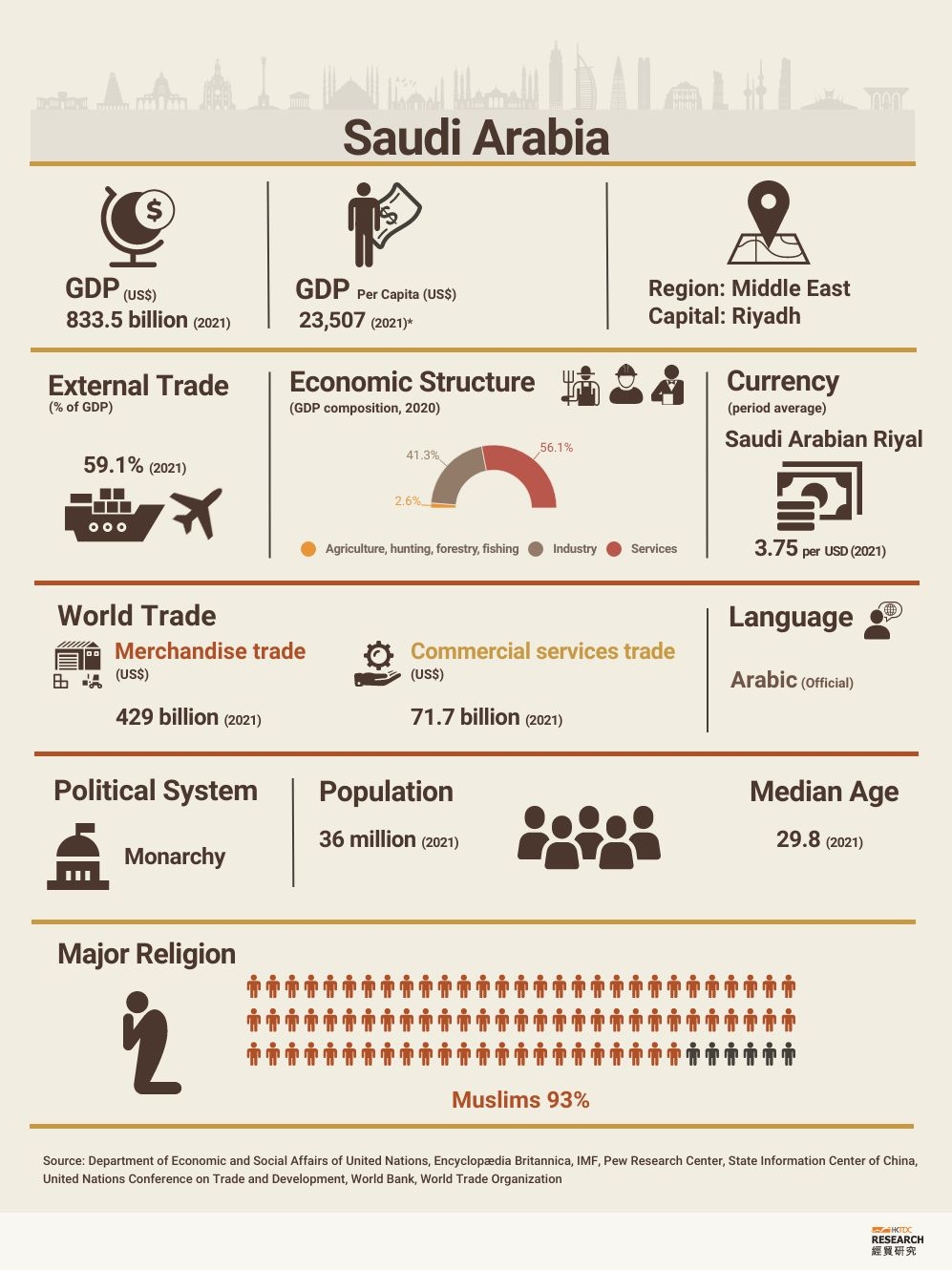
Numbers paint a mixed picture. Oil still accounts for roughly about 40% of the nation’s GDP, but non‑oil sectors are inching forward:
- Tourism: The holy‑city pilgrimages remain a stable cash‑flow source, yet the kingdom is betting on leisure tourism to broaden the base.
- Entertainment: New cinemas, concerts, and sporting events have sprung up, targeting a youthful population eager for change.
- Technology and renewable energy: Ambitious projects, such as the NEOM megacity, aim to attract global tech firms and green‑energy investors.
Nevertheless, fiscal deficits linger, and the Saudi sovereign wealth fund faces pressure to balance domestic spending with overseas investments.
Key Indicators to Watch
Analysts often track three metrics:
- Current account balance. A narrowing surplus could signal weaker export earnings.
- Public debt‑to‑GDP ratio. Rising debt may limit fiscal flexibility.
- Non‑oil GDP growth. The speed at which diversification is taking root.
Potential Effects of U.S. Warnings
Not all warnings translate into immediate policy shifts, but they can nudge decision‑makers in subtle ways.
1. Accelerated Reform Pace
In response to external pressure, Saudi leaders might fast‑track privatization of state‑owned enterprises—think Saudi Aramco’s downstream assets or the upcoming public listing of the national airline. Faster reforms could attract foreign capital, but they also risk under‑preparedness.
2. Currency and Investment Flows
The Saudi riyal is pegged to the dollar. U.S. concerns about inflation or interest‑rate hikes can indirectly affect the kingdom’s monetary stance. A tighter U.S. policy often strengthens the dollar, making the riyal more expensive and potentially dampening export competitiveness.
3. Strategic Re‑balancing
To appease Washington, Riyadh may deepen cooperation in areas beyond oil—cybersecurity, defense, and technology partnerships. Such moves could diversify revenue streams but also tie Saudi policy closer to U.S. geopolitical aims.
What the Private Sector Is Doing
Businesses in the kingdom are not sitting idly by. Many are hedging against oil price swings and seeking new markets.
- Manufacturers are exploring export deals with Asia, leveraging lower production costs.
- Financial institutions are expanding Islamic finance products to attract investors wary of conventional banking cycles.
- Start‑ups receive venture‑capital backing, especially in fintech and renewable energy.
These initiatives suggest a grassroots push toward resilience, independent of external warnings.
Balancing Act: Opportunities and Risks
Saudi Arabia stands at a crossroads where opportunity and uncertainty intersect.
Opportunities:
- Greater foreign direct investment if reforms prove credible.
- Enhanced global standing through renewable‑energy projects and green‑hydrogen ambitions.
- Potential to set a regional benchmark for economic diversification.
Risks:
- Over‑hasty reforms could destabilize legacy industries.
- External shocks—such as a sharp drop in oil prices or a sudden U.S. policy shift—might strain public finances.
- Geopolitical tensions could deter investors despite economic incentives.
Looking Ahead: Scenarios for 2025‑2028
While no crystal ball can guarantee outcomes, three plausible trajectories emerge:
- Optimistic pathway. Saudi Arabia embraces reforms, secures diversified investments, and gradually reduces oil dependency. The economy steadies, and fiscal deficits shrink.
- Moderate pathway. Reforms proceed at a measured pace; oil remains a significant buffer. Growth is steady but not spectacular, and the kingdom remains vulnerable to external price shocks.
- Challenging pathway. External pressures accelerate reforms faster than the domestic capacity to implement them, leading to short‑term turbulence and a possible slowdown.
Which path materializes will hinge on how Riyadh interprets and responds to U.S. warnings, alongside internal political will and global market dynamics.
Bottom Line
U.S. cautions are less a direct threat and more a catalyst—pushing Saudi Arabia to confront the reality that oil alone cannot sustain long‑term prosperity. The kingdom’s response, a blend of ambitious projects, careful fiscal stewardship, and strategic partnerships, will shape not only its own future but also the broader Middle‑East economic landscape.