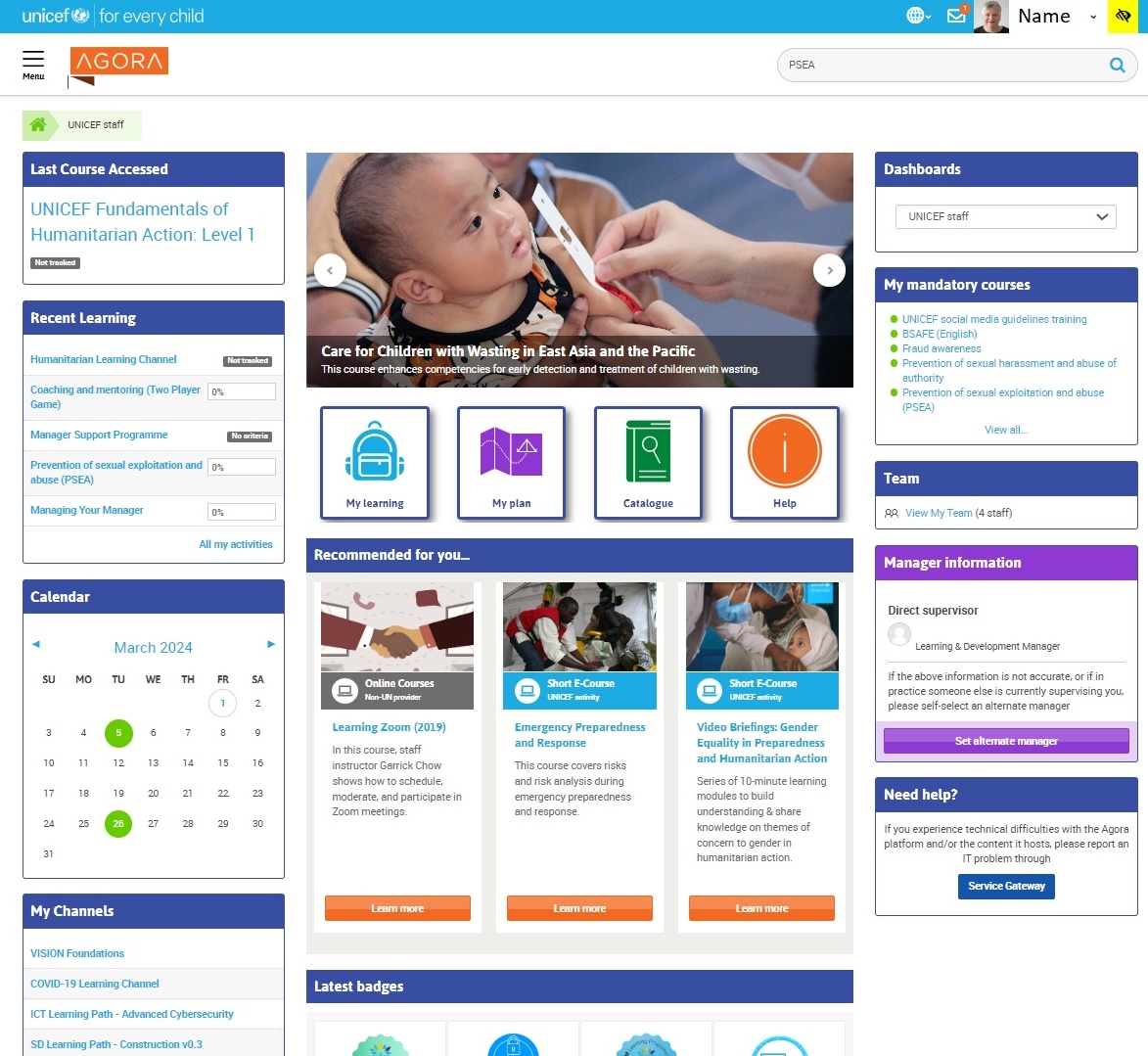
How UNICEF’s Free Courses Are Transforming Education Worldwide
When you hear “free courses” you might picture a handful of PDFs or a brief video series. UNICEF, however, has turned that modest idea into a global learning platform that reaches classrooms, community centers, and even remote villages. The initiative isn’t just about adding more content to the internet; it’s about reshaping how children and teachers access quality education, no matter where they live.
Why UNICEF Decided to Offer Free Courses
Education inequality has long been a silent crisis. In many low‑income regions, schools lack basic learning materials, teachers struggle with limited training, and students often miss out on subjects that could broaden their horizons. UNICEF recognized that simply building schools wouldn’t close the gap. What’s needed is a scalable, low‑cost way to empower educators and learners alike.
- Accessibility: Digital formats mean a lesson can be downloaded once and reused endlessly.
- Relevance: Courses are designed with local curricula in mind, so they complement—rather than replace—what’s already being taught.
- Inclusivity: Materials are available in multiple languages and adapted for children with special needs.
What the Platform Actually Offers
The catalog is surprisingly diverse. While you might expect basic literacy and numeracy, you’ll also find modules on climate resilience, digital safety, and even entrepreneurship for teenagers. Each course follows a simple structure:
1. Introductory Video
A 5‑minute animation sets the stage, using relatable characters that speak directly to the learner’s environment.
2. Interactive Lessons
These are built around quizzes, drag‑and‑drop activities, and short discussion prompts that teachers can adapt for group work.
3. Printable Resources
Worksheets, flashcards, and classroom posters can be printed on demand, ensuring that low‑tech settings aren’t left behind.
4. Assessment Tools
Simple rubrics let educators track progress without overwhelming paperwork.
How Teachers Are Using the Courses on the Ground
In a rural school in Nepal, a teacher named Maya integrates the “Water Conservation” module into her science lessons. She downloads the videos onto a single tablet, then projects the clips onto a whiteboard. The children follow along with printable worksheets, and by the end of the week they’ve designed a small rain‑catchment system for their village garden.
Meanwhile, a community center in Kenya uses the “Digital Literacy for Teens” series to run after‑school clubs. The hands‑on activities give young people a safe space to practice online research, basic coding, and how to protect personal data. The result? More confidence, and a handful of students who now volunteer to teach their peers.
Key Benefits for Learners
- Self‑Paced Learning: Children can revisit challenging concepts without feeling rushed.
- Real‑World Relevance: Topics like “Nutrition for Growing Bodies” connect classroom knowledge to daily life.
- Motivation Boost: Interactive games and badge systems keep students engaged.
Challenges and How UNICEF Is Addressing Them
Even the best‑designed program hits hurdles. Internet connectivity remains uneven, and some regions lack even the basic hardware needed to run the courses. UNICEF tackles this by partnering with local NGOs that provide solar‑powered tablets and offline versions of the curriculum. Additionally, feedback loops—surveys sent to teachers after each module—help refine content and ensure cultural sensitivity.
Getting Started: A Quick Guide for Educators
If you’re a teacher or community leader curious about the platform, the process is straightforward:
- Visit UNICEF’s education portal and create a free account.
- Select a subject area that aligns with your curriculum.
- Download the offline package if internet access is limited.
- Run a short pilot with a single class before scaling up.
Support isn’t left to chance. Dedicated regional coordinators are available for phone or video consultations, helping you troubleshoot technical issues or adapt lessons to specific classroom dynamics.
The Bigger Picture: How Free Courses Contribute to Global Goals
UNICEF’s initiative dovetails neatly with the United Nations Sustainable Development Goal 4, which aims for inclusive and equitable quality education. By lowering cost barriers, the free courses act as a catalyst for other reforms—like teacher training programs and infrastructure investments—that together push the needle toward universal learning.
What’s Next for UNICEF’s Learning Platform?
Plans are already in motion to expand the catalog with artificial‑intelligence‑assisted personalization (yes, but without compromising data privacy). Upcoming topics include mental‑health awareness and sustainable agriculture, both tailored for early‑grade learners in agrarian communities.
In short, the platform isn’t a static library; it’s a living ecosystem that evolves with the needs of the world’s most underserved students. If you’re looking for a practical way to make a difference in education—whether you’re a teacher, a NGO worker, or a policy maker—UNICEF’s free courses provide a solid, adaptable foundation.