How WWI Propaganda Posters Influenced Public Opinion
When the Great War erupted, governments turned to a surprisingly visual battlefield: the streets, railway stations and shop windows. Bright, often lurid posters became the daily reminder that the conflict was not a distant trench line but a personal, moral crusade each citizen was expected to join.
The Visual Language of War
Artists weren’t given free rein; they were handed briefs that demanded clear, immediate impact. The result was a toolbox of symbols that still feels recognisable today:
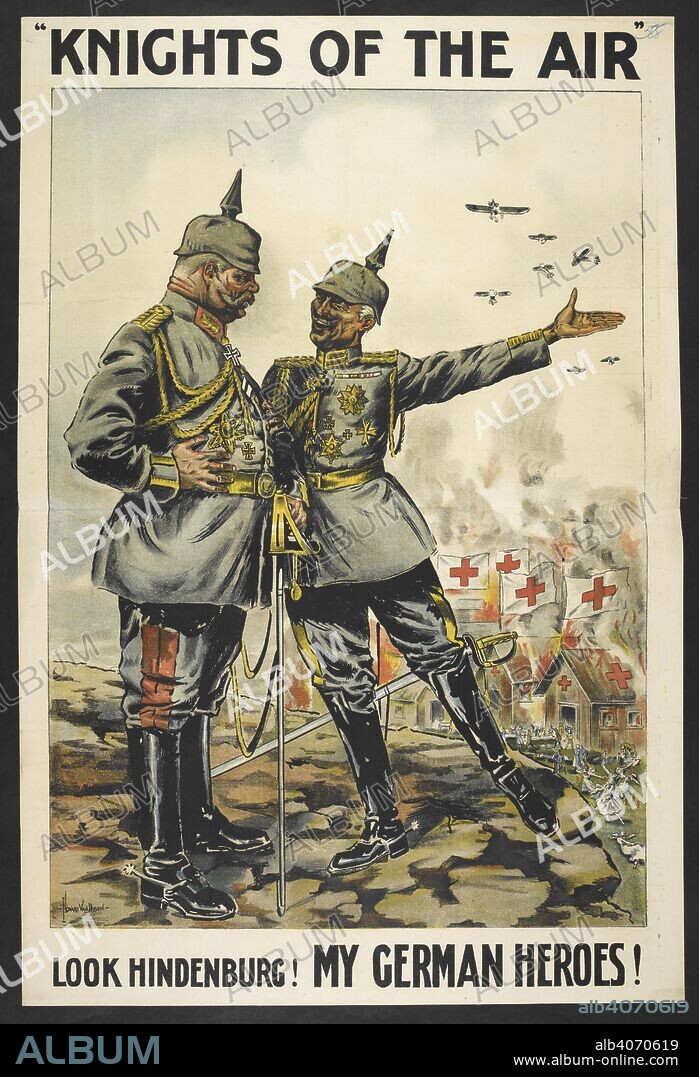
- The Devilish Enemy – exaggerated caricatures of the Central Powers, often shown with horns or claws.
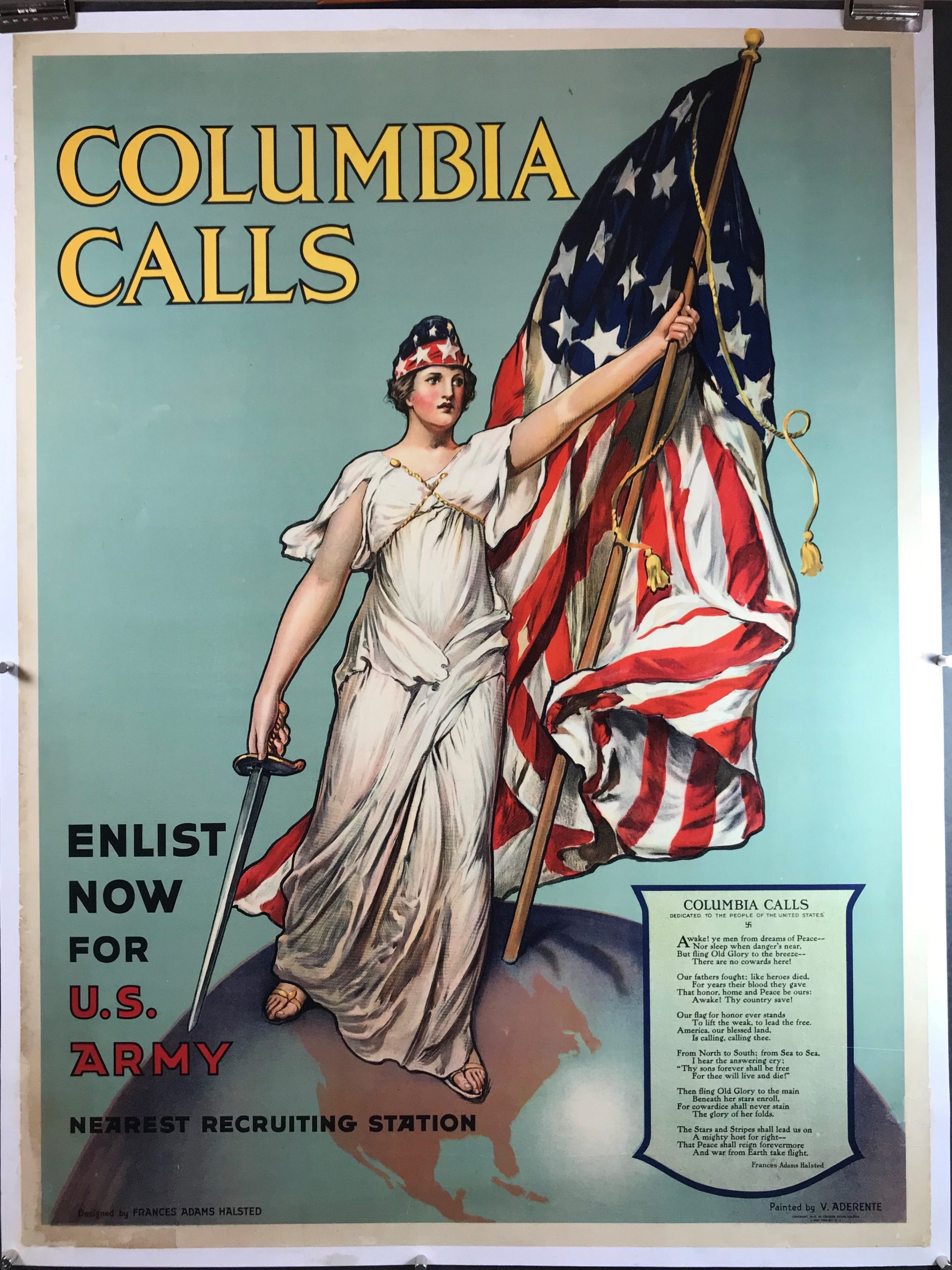
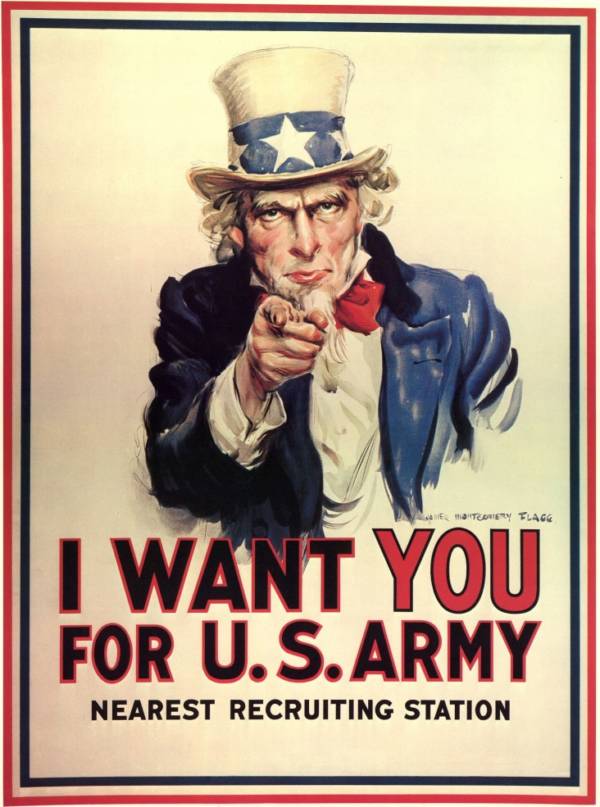
- Patriotic Icons – eagles, flags, and heroic soldiers striking proud poses.
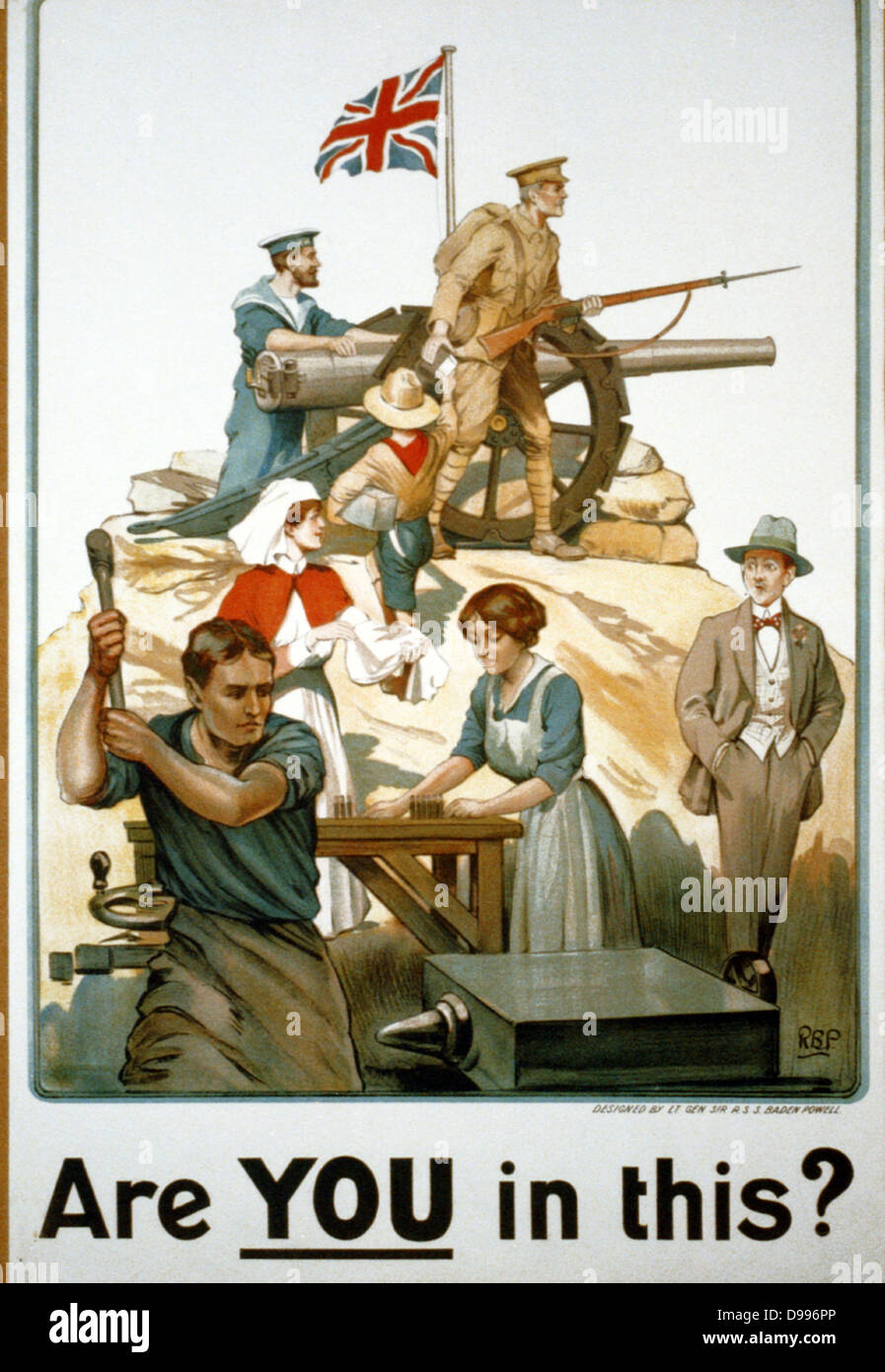
- Home‑front Appeals – mothers, children, and farms presented as the stakes of victory.
These ingredients were mixed with bold fonts and stark colour contrasts, making a message instantly readable from a few steps away.
Target Audiences and Tailored Messages
Not every poster spoke the same language. Governments commissioned separate series for:
- Industrial workers: calls to boost production or buy war bonds.
- Women: recruitment to replace men in factories or encourage enlistment of sons.
- Rural communities: reminders that grain yields fed the troops.
By adapting the imagery to each demographic’s daily reality, the posters achieved a personal relevance that generic speeches could not.
From Posters to Behaviour
Did these pictures really move people? Studies of recruitment numbers and bond sales suggest a noticeable uptick after major poster campaigns. For instance, the British “Your Country Needs YOU” image coincided with a surge in volunteer enlistments in 1914, while U.S. Liberty Bond posters helped raise billions of dollars in financing.
More subtly, the propaganda sowed distrust of the enemy. Posters depicting German soldiers as ruthless beasts fostered a climate where ordinary citizens accepted rationing, censorship and even internment as necessary measures.
Controversies and Limits
Propaganda was not an unchallenged force. Some posters backfired:
- Overly graphic depictions of battlefield carnage alienated families already grieving losses.
- Exaggerated claims, such as “Every penny you donate feeds a soldier,” met skepticism as inflation rose.
These missteps forced ministries to recalibrate, softening imagery or adding “truthful” statistics to retain credibility.
Legacy: Why the Posters Still Matter
Beyond the war, the visual vocabulary invented in the trenches seeped into advertising, political campaigns and even modern meme culture. The idea that a single image can sway a crowd remains a cornerstone of public‑relations strategy.
Walking through a museum today, you can still feel the urgency these sheets carried. They remind us that behind every bold illustration was a calculated attempt to steer the collective mind, a testament to the power—and peril—of mass communication.