How Xiang Yu Rose, Fell, and Shaped His Legacy in Chinese History
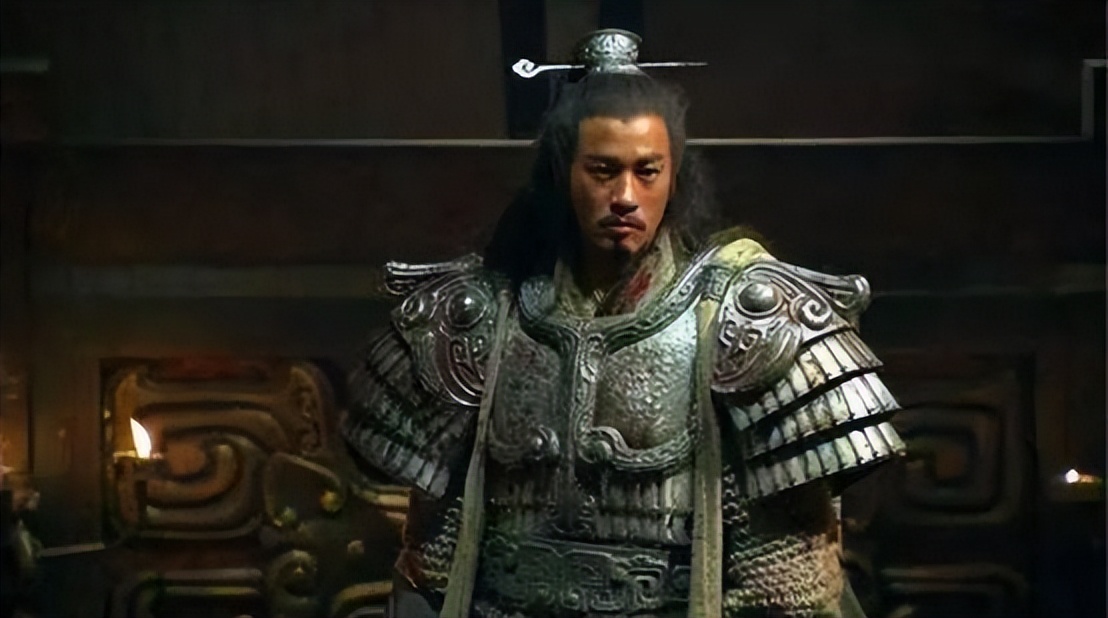
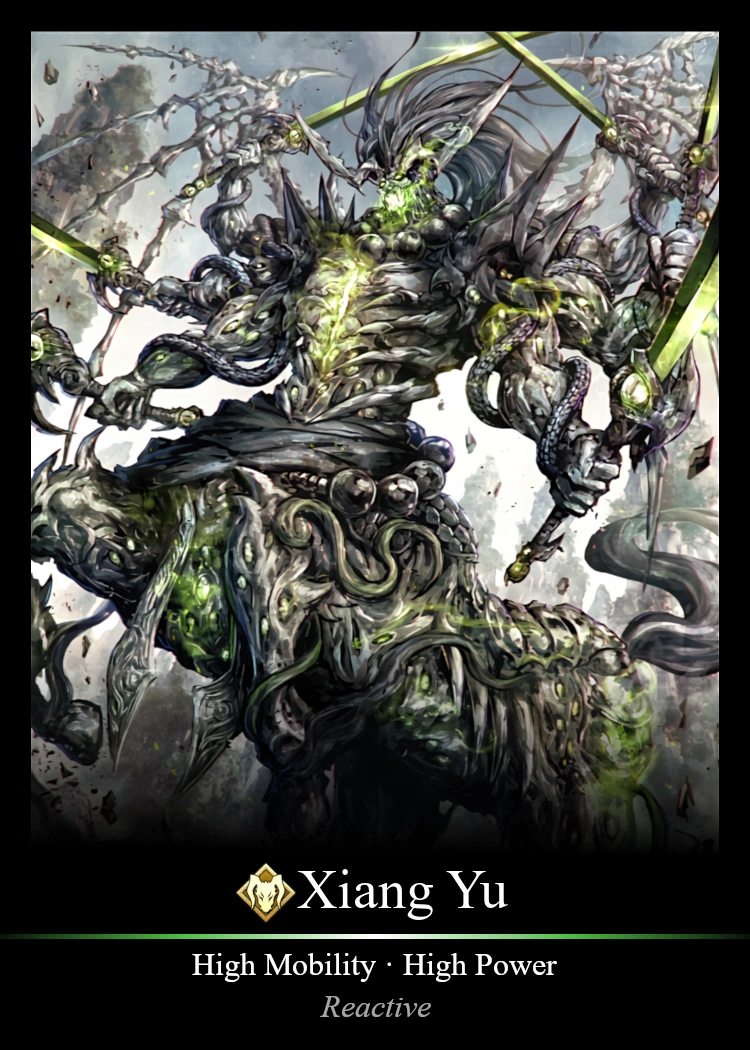
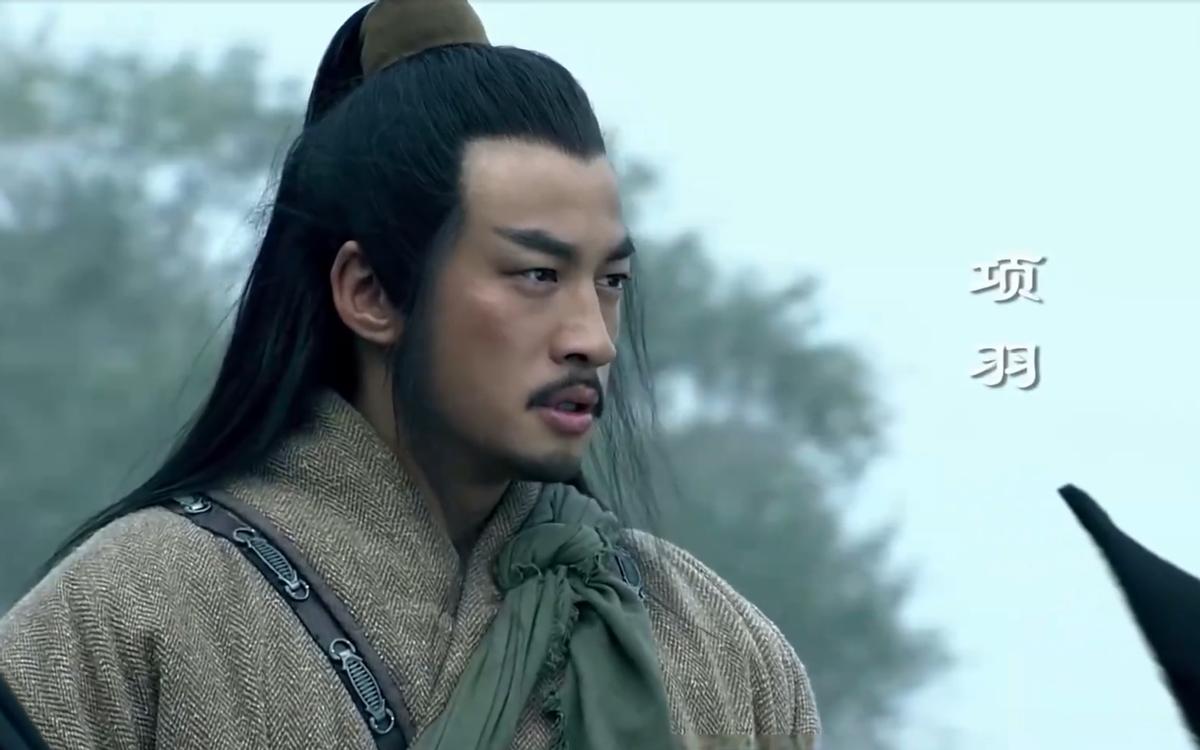
When the Qin dynasty crumbled, a towering figure leapt onto the stage of ancient China. Xiang Yu, often called the “霸王” (Hegemon‑King), combined raw charisma with a ferocious appetite for power. His story reads like an epic—glorious victories, dramatic betrayals, and a tragic end that still sparks debate.
The Making of a Warrior
Born around 232 BC in the Chu heartland, Xiang Yu grew up amid rebellion. His family was minor aristocracy, but the young Xiang displayed a prodigious talent for martial arts and horseback riding.
Legend has it he could lift a 30‑kilogram spear with one hand. Whether true or embellishment, the tale captures the aura that surrounded him from the start.
From Rebel Leader to “霸王”
When the Qin empire’s grip began to loosen, Xiang Yu seized the moment. He gathered a band of loyal fighters, quickly gaining a reputation for daring strikes against Qin outposts.
- In 209 BC, he led a decisive assault on the strategic city of Julu, delivering a crushing blow to the Qin army.
- His victory earned him the title “霸王”—the Hegemon‑King of Western Chu.
- He proclaimed the “Chu–Han” coalition, positioning himself as the natural successor to the fallen Qin throne.
His charisma attracted many former Qin officials, but his uncompromising temperament also sowed seeds of discord.
The Clash with Liu Bang
Two ambitious men—Xiang Yu and Liu Bang—now vied for control of a fragmented empire. While Xiang commanded the bulk of the army, Liu Bang’s cunning and diplomatic flair began to tilt the balance.
During the famed Battle of Gaixia in 202 BC, Liu Bang’s forces surrounded Xiang Yu’s troops. A ruse involving women singing Chu folk songs—intended to demoralize Xiang’s soldiers—proved surprisingly effective.
Seeing his once‑invincible army waver, Xiang Yu faced a stark choice: surrender or die with honor.
Fall and Final Hours
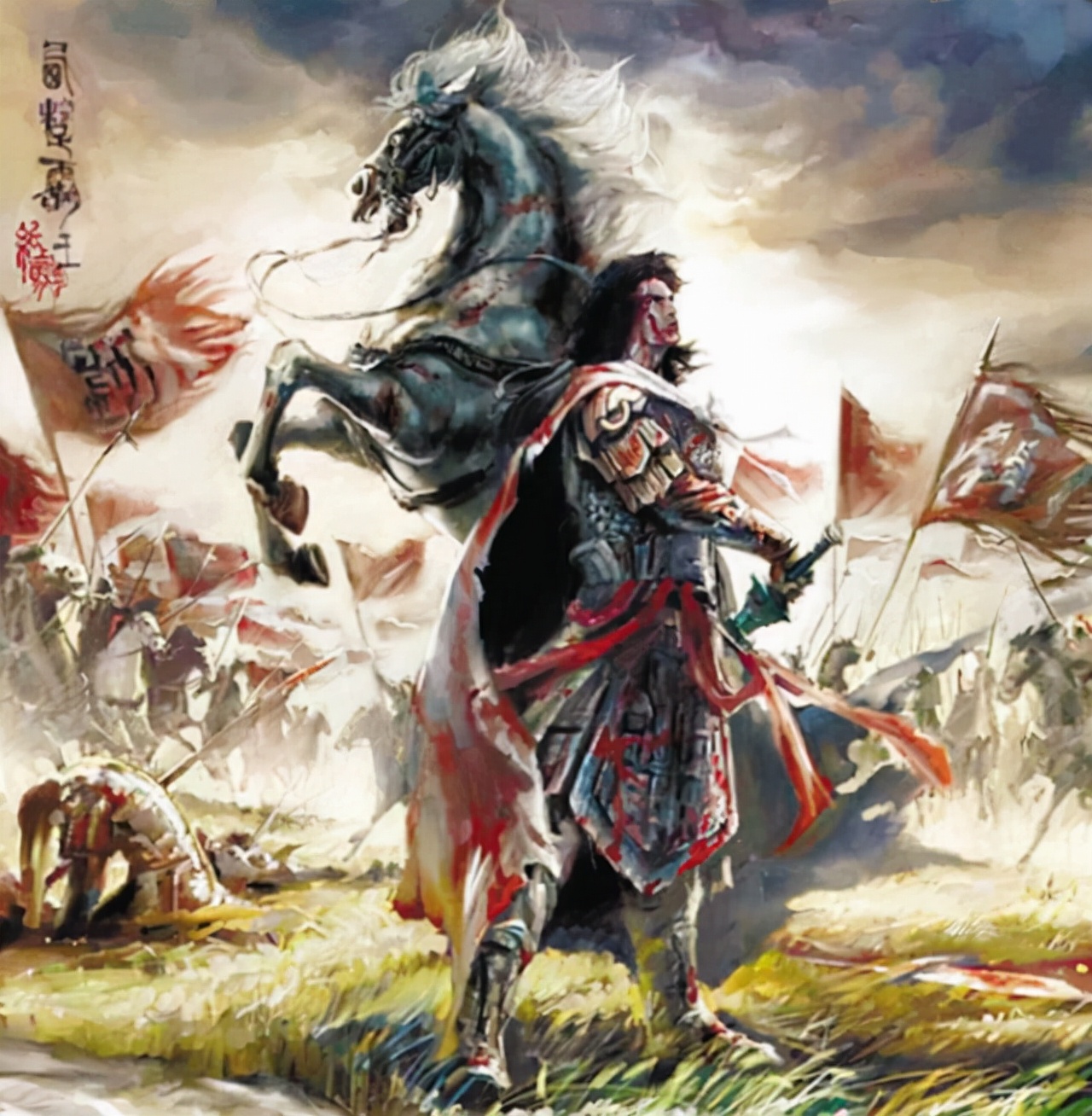
Choosing the latter, Xiang Yu fled to the riverbank with a handful of loyalists. Legend says he performed a heroic final stand, swords flashing, before leaping into the Wu River.
Some accounts claim he died by his own sword, preferring a self‑inflicted wound to capture. Others suggest he was merely swept away, his body never recovered. The mystery only adds to his mythic status.
Enduring Legacy
Despite his defeat, Xiang Yu left an indelible mark on Chinese culture. He represents the archetype of the tragic hero: brilliant, bold, yet undone by pride.
His influence appears in poetry, opera, and even modern cinema. The phrase “the spirit of the 霸王” is still invoked to describe fierce determination.
- Military Tactics: Mastery of cavalry charges and swift sieges still studied in military academies.
- Cultural Symbolism: Depicted in the classic novel “Romance of the Three Kingdoms” as a benchmark for valor.
- Moral Lessons: Stories of his downfall caution against hubris and the neglect of wise counsel.
Even the rival Liu Bang, who founded the Han dynasty, reportedly admired Xiang Yu’s courage, acknowledging that the rivalry sharpened his own resolve.
Why We Still Talk About Xiang Yu
History is often written by the victors, yet the “霸王” refuses to fade. His narrative provides a counterpoint to the more orderly Han legacy, reminding us that power can rise quickly yet crumble just as fast.
For students of history, his life offers a case study in how personal charisma can both rally armies and blind leaders to strategic nuance.
In the end, Xiang Yu’s saga is less about a single battle and more about the timeless tension between ambition and restraint—a lesson that feels as relevant today as it did two millennia ago.