Humana Medicare and Medicaid Plans: A Simple Guide
Navigating the labyrinth of health insurance can feel like trying to solve a puzzle in the dark. For millions of Americans approaching retirement, or those with lower incomes seeking coverage, understanding the interplay between Medicare and Medicaid is crucial. Humana stands out as one of the largest private insurers in this space, often confusing people because it appears in two very different contexts. On one side, you have Humana Medicare Advantage plans, which supplement federal benefits. On the other, there are options for those who qualify for both programs, a status often called "dual eligible."
If you are looking for clarity on how Humana handles these complex insurance layers, you are in the right place. This guide breaks down the differences, the benefits, and what you need to watch out for when making decisions about your healthcare coverage.
Understanding the Two Worlds: Medicare vs. Medicaid
Before diving into specific Humana products, it helps to understand the fundamental difference between the two government programs. Medicare is primarily age-based. If you are 65 or older, or have certain disabilities, you generally qualify. It is an entitlement program, meaning you pay into it via payroll taxes throughout your working life. Medicaid, conversely, is needs-based. It is jointly funded by federal and state governments and designed for individuals and families with limited income and resources.
Here is where it gets interesting. You might qualify for both. If you meet the age or disability criteria for Medicare but also have a low income, you can qualify for Medicaid assistance. This dual eligibility changes everything regarding your insurance options, including how you interact with private insurers like Humana.
Humana Medicare Advantage Plans
For most seniors who only have Medicare (Part A and Part B), Humana offers Medicare Advantage plans, also known as Part C. These are private insurance alternatives to Original Medicare. Instead of using Original Medicare alongside a separate Medigap policy and Part D drug plan, you bundle these services into one Humana plan.
Key Features of Humana Medicare Advantage:
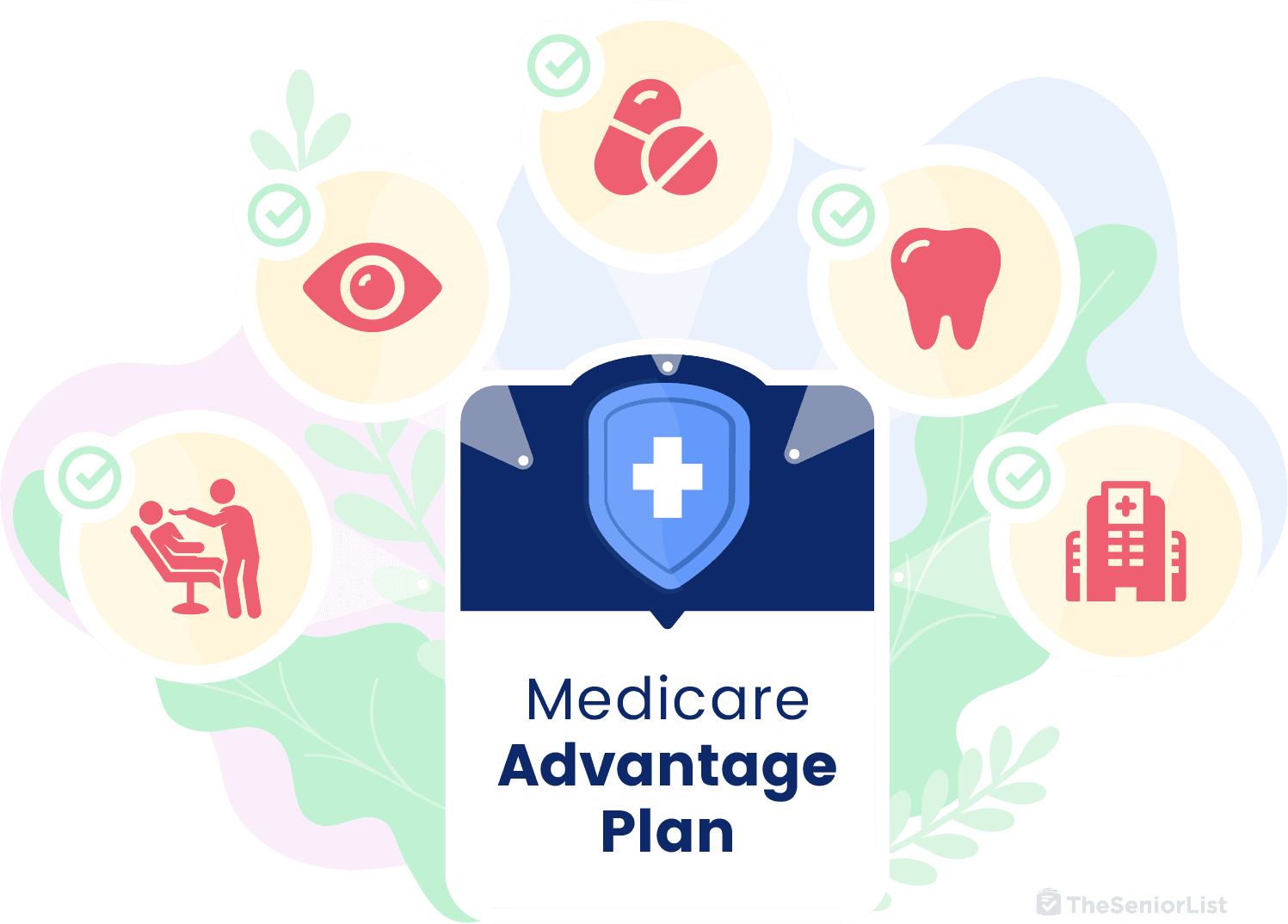
- Integrated Coverage: Most plans include hospital (Part A), medical (Part B), and prescription drug (Part D) coverage. Some even throw in vision, dental, and hearing benefits.
- Network Restrictions: Humana plans often work as HMOs or PPOs. HMOs typically require you to stay within a specific local network of doctors and hospitals, while PPOs offer more flexibility to go out-of-network at a higher cost.
- Cost Predictability: Many Humana plans feature $0 monthly premiums on top of your Part B premium, though copays for doctor visits or prescriptions will vary.
This structure is popular because it simplifies billing and often adds extra wellness perks, like gym memberships or nutritional counseling, that Original Medicare doesn't touch.
The Dual-Eligible Advantage: Humana Medicare-Medicaid Plan (D-SNP)
If you are in the 12-15% of Medicare beneficiaries who also qualify for full Medicaid benefits, your options look different. Standard Medicare Advantage plans cannot accept dual-eligible beneficiaries. Instead, you need a specialized plan.
Humana offers Special Needs Plans (SNPs) specifically for people with both Medicare and Medicaid, often referred to as D-SNPs (Dual-Eligible Special Needs Plans). These plans are designed to coordinate care between the two federal and state programs. The goal is to prevent gaps in coverage and reduce the administrative headache for the patient.
Why D-SNPs Are Unique:
- Whole-Person Care: These plans coordinate medical care with long-term services and supports (LTSS), which might include home health aides or adult day care services covered by Medicaid.
- Zero Premiums: In many cases, there is no monthly premium for the plan itself, as Medicaid covers the Part B premium and the cost of the plan.
- Integrated Care Teams: You often get assigned a care manager who helps navigate both Medicare and Medicaid rules, ensuring you don't lose benefits due to a missing signature or a coding error.
It is important to note that D-SNP availability varies heavily by state. Humana does not offer these plans in every jurisdiction, so checking local availability is the first step.
Comparing the Benefits: What Wins?
Choosing between a standard Humana Medicare Advantage plan and a D-SNP isn't about which is "better" in a vacuum; it is about which you qualify for. If you are dual-eligible, you generally cannot choose a standard Medicare Advantage plan if you want to keep your Medicaid benefits active for things like long-term care.
However, if you only qualify for Medicare, the standard Humana Advantage plans offer significant flexibility. You might choose a PPO if you travel frequently, or an HMO if you want to keep costs low and stick to local providers. The key trade-off is flexibility versus cost. Original Medicare works everywhere but leaves you exposed to high out-of-pocket costs without a Medigap policy. Humana Advantage plans cap your out-of-pocket maximums, providing a financial safety net that Original Medicare lacks.
Choosing the Right Humana Plan for You
The enrollment window is critical. For Medicare Advantage, you can sign up during the Initial Enrollment Period (when you first turn 65) or the Annual Election Period (October 15 to December 7). If you are switching from Original Medicare to a Humana plan, you must choose carefully. Once you drop a Medigap policy to join Medicare Advantage, getting it back later can be difficult or impossible depending on your state's rules.
For dual-eligibles, you can generally switch D-SNPs during the Annual Election Period or during special enrollment windows triggered by changes in your Medicaid status. Always verify your network. Call your current doctors to see if they accept the specific Humana plan you are considering. A plan with great benefits is useless if your primary care physician isn't in the network.
Frequently Asked Questions
Can I have Humana Medicare Advantage and Medicaid at the same time?
Yes, but you need a specific type of plan. You cannot enroll in a standard Medicare Advantage plan if you have full Medicaid benefits. Instead, you must enroll in a Dual-Eligible Special Needs Plan (D-SNP), such as a Humana Medicare-Medicaid Plan, which integrates both coverages.
Does Humana cover Medicaid directly?
In many states, Humana operates separate Medicaid managed care organizations that serve low-income adults and children who do not qualify for Medicare. These are distinct from their Medicare affiliates. You check eligibility and plan options through your state’s Medicaid portal or Humana’s Medicaid-specific website.
What happens if my income changes?
If your income increases and you lose Medicaid eligibility while in a D-SNP, you will likely need to switch to a regular Medicare Advantage plan or return to Original Medicare during a special enrollment period. Conversely, if you lose Medicare eligibility (rare for seniors, more common for disability beneficiaries turning 65), your coverage structure will change significantly.