India’s Renewable Energy Landscape: A Complete Guide
India’s push toward a low‑carbon future hinges on harnessing the country’s vast renewable resources. From the sun‑soaked deserts of Rajasthan to the winds of Tamil Nadu, the nation is diversifying its energy mix with solar, wind, hydro, biomass, and geothermal projects. In this guide, we break down the key sources, policy drivers, market trends, and practical challenges that shape the renewable energy sector in India.
Renewable Energy Sources in India: An Overview
Renewable energy sources in India encompass several technologies that convert natural processes into electricity and heat. The most prominent are:
- Solar – Photovoltaic panels and large‑scale solar parks.
- Wind – Onshore turbines across coastal and plateau regions.
- Hydro – Conventional dams and run‑of‑river installations.
- Biomass & Biogas – Agricultural residues and organic waste.
- Geothermal – Limited but growing potential in the Himalayan foothills.
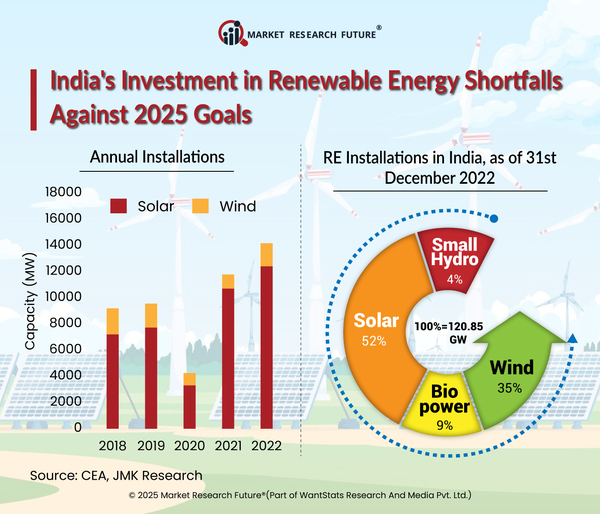
India’s cumulative renewable capacity has surged over the past decade, reaching close to 150 GW by the end of 2024. This represents roughly 30 % of the national installed capacity, with solar and wind accounting for about 90 % of that share.
Solar: The Power of the Sun
India’s solar potential is extraordinary. The country sits at the apex of a solar belt, offering an average irradiance of 5–6 kWh/m² per day. The government’s ambitious targets—40 GW of solar capacity by 2030—drive a mix of rooftop installations, utility‑scale solar parks, and floating solar farms. State incentives, such as Karnataka’s rooftop subsidy and Tamil Nadu’s solar tariff, accelerate adoption. Recent developments include the world‑record 2.5 GW Bhadla solar park, which showcases the scale India can achieve.
Wind: Harnessing the Breeze
India’s wind resource is concentrated along its western and southern coastlines, as well as the Himalayan foothills. With over 40 GW of installed wind capacity, the sector is led by states like Tamil Nadu, Gujarat, and Karnataka. The National Wind Energy Mission (NWEEM) supports grid integration, technology upgrades, and the deployment of 3‑MW+ turbines for improved efficiency.
Hydropower: Flowing to the Future
Hydroelectric power remains a backbone of India’s renewable mix, especially in the Himalayan and Northeast regions. The Sardar Sarovar Dam and the Tehri Hydro Project are flagship examples. While large reservoirs provide stable output, run‑of‑river projects reduce ecological disruption and are increasingly favored by local communities.
Biomass & Biogas: Turning Waste into Energy
India’s agricultural sector produces millions of tonnes of biomass annually. Biomass plants convert crop residues into electricity, while biogas facilities digest animal and organic waste to produce methane for cooking and electricity. Rural electrification projects often integrate biogas, offering both clean cooking fuel and grid support.
Geothermal: Heat Beneath the Surface
Geothermal potential in India is concentrated along the Himalayan belt, with sites like Bansgola and Bansbari in Arunachal Pradesh. Though still in nascent stages, pilot projects demonstrate the viability of low‑temperature geothermal for district heating and small‑scale power generation.
Policy Framework and Incentives
Policy has been a decisive driver of renewable adoption. Key initiatives include:
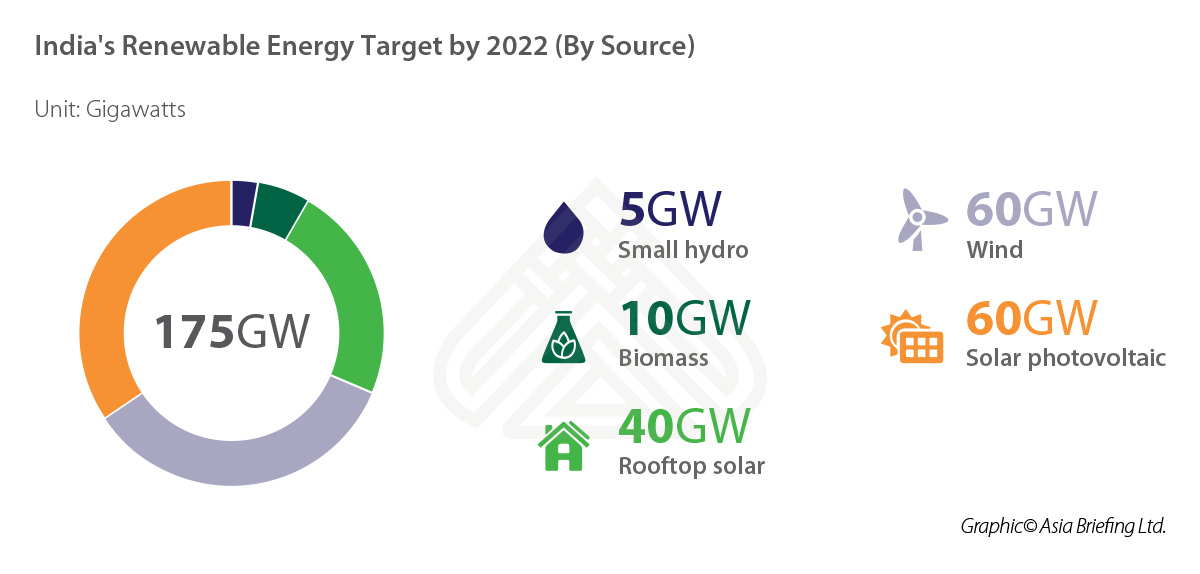
- National Solar Mission (NSM) – Set a 100 GW solar target (2022‑2025) and provided financial incentives.
- Renewable Purchase Obligation (RPO) – Mandates utilities to procure a percentage of power from renewable sources.
- Accelerated Depreciation and Investment Tax Credits – Reduce the financial burden on renewable projects.
- State‑level Tariffs and Subsidies – Encourage local adoption and reduce costs for consumers.
Market Dynamics and Investment Trends
Private sector investment has surged, with more than 70 % of new renewable capacity coming from non‑government entities. The entry of global financiers, such as the World Bank and Asian Development Bank, has helped secure funding for large‑scale projects. Meanwhile, the rise of “green bonds” provides a tailored financing instrument for sustainable energy initiatives.
Challenges on the Horizon
Despite impressive growth, the sector faces hurdles:
- Grid Stability – Intermittent supply from solar and wind requires upgraded transmission and smart grid solutions.
- Land Acquisition – Large projects often contend with land‑use conflicts and regulatory delays.
- Financing Gaps – High upfront costs remain a barrier, especially for smaller rural projects.
- Technology Transfer – Keeping pace with global advances demands local capacity building.
Innovations such as energy storage (batteries, pumped hydro) and hybrid systems (solar‑wind‑hydro) are increasingly adopted to address these issues.
Looking Ahead: The Path to 2030 and Beyond
India’s target of 450 GW renewable capacity by 2030 is aggressive but attainable. The government’s “National Action Plan on Energy” outlines milestones for each technology. Key focus areas include:
- Expanding the solar rooftop market through simplified permitting.
- Upgrading grid infrastructure to manage variable generation.
- Promoting small‑scale hydropower and biomass projects in rural regions.
- Encouraging public–private partnerships for financing and technology transfer.
By 2030, renewables are projected to supply about 50 % of India’s power needs, significantly reducing reliance on coal and lowering carbon emissions.
Frequently Asked Questions
- What is India’s current renewable capacity? India has around 150 GW of renewable power capacity, with solar and wind comprising the bulk of this figure.
- Which Indian state leads in solar adoption? Karnataka and Rajasthan have the highest installed solar capacity, thanks to favorable policies and ample land.
- How does the government support renewable projects? Through subsidies, tariff incentives, and accelerated depreciation schemes that reduce capital costs.
- What are the main challenges for renewable growth? Grid integration, land acquisition, and financing remain the most pressing hurdles.