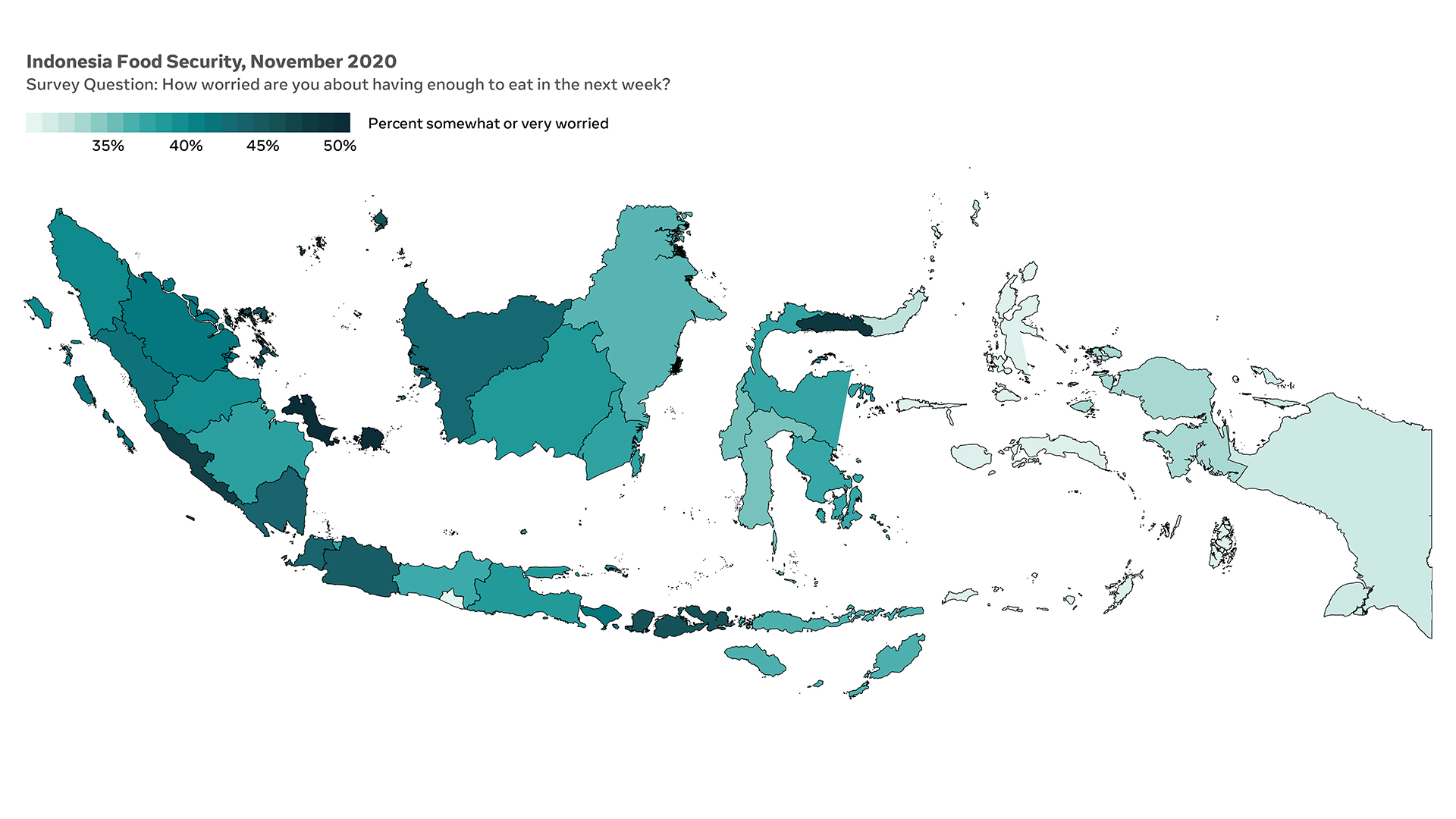
Indonesia’s Food Security: Challenges and Future Outlook
Indonesia’s food security has become a central concern for policymakers, farmers, and consumers alike. With a population that will surpass 300 million by the mid‑2030s, the archipelago must balance rising demand against a fragile agricultural base. Climate change, shifting dietary preferences, and uneven infrastructure add layers of complexity that make the path forward anything but straightforward. Understanding the main hurdles and the emerging strategies can shed light on how the nation might sustain a stable food supply for generations to come.
Key Challenges Facing Food Security
Three interlocking forces shape the current landscape:
- Rapid population growth – The nation’s demographic surge outpaces the modest increase in domestic agricultural output, creating a widening gap between supply and demand.
- Climate vulnerability – Frequent floods, droughts, and sea‑level rise threaten rice paddies in Java and corn fields in the highlands, while erratic weather patterns disrupt planting cycles.
- Infrastructure and logistics bottlenecks – Over 70 % of the country’s food moves by sea, yet many ports and rural roads remain under‑developed, inflating transport costs and causing post‑harvest losses.
Beyond these, land‑use competition intensifies as urban expansion and mining encroach on arable areas. Smallholder farmers, who produce roughly 70 % of the nation’s staple crops, often lack access to credit, modern inputs, and market information, limiting productivity gains.
Policy Responses and Ongoing Initiatives
The government’s “Food Sovereignty” roadmap emphasizes self‑reliance while acknowledging the need for imports of certain commodities. Key measures include:
- Subsidized fertilizer and seed programs aimed at boosting rice yields in the “Berkah” (blessing) zones of Java and Bali.
- Digital agriculture platforms such as e‑Pangan, which connect farmers to price data, weather alerts, and extension services via smartphones.
- Investment in cold‑chain facilities and inland waterways to cut post‑harvest waste, especially for perishable items like fish and fruits.
While these steps have lifted average rice productivity by a few percent over the past decade, critics argue that fragmented implementation and limited budget allocations hinder long‑term impact. Coordination between ministries of agriculture, trade, and public works remains a work in progress.
Emerging Opportunities and the Road Ahead
Innovation offers a glimmer of optimism. Researchers at several Indonesian universities are testing climate‑resilient rice varieties that tolerate salinity and submersion, traits increasingly valuable as sea‑level rise threatens low‑lying paddies. Meanwhile, the rise of contract farming models—where agribusinesses provide inputs and guaranteed purchase agreements—helps smallholders adopt better practices without bearing full market risk.
Regional cooperation also plays a role. Through the ASEAN Food Security Framework, Indonesia can tap into shared grain reserves and joint research initiatives, spreading risk across the bloc. Private‑sector investment in agri‑tech startups is picking up, with venture capital funding funneled into precision‑farming tools that promise higher yields using fewer resources.
Nevertheless, the outlook hinges on several “must‑do” actions:
- Scaling up climate‑smart agriculture to protect vulnerable ecosystems while enhancing yields.
- Strengthening rural infrastructure—particularly reliable electricity and internet—to enable modern farming techniques.
- Reforming land tenure policies so that farmers have security and incentives to invest in long‑term improvements.
If these levers are pulled in concert, Indonesia could narrow the import gap and build a more resilient food system. The journey will be gradual, but the combination of policy focus, technological adoption, and regional collaboration sets a foundation for a steadier food future.
Frequently Asked Questions
What is the biggest threat to Indonesia’s food security today?
Generally, climate‑related disruptions—such as floods and droughts—pose the most immediate risk, because they can wipe out harvests across multiple islands in a single season.
How much of Indonesia’s food is imported?
While the country is largely self‑sufficient in rice, it relies on imports for about 30 % of its wheat, 45 % of its soybeans, and a significant share of meat and dairy products.
Can technology really help smallholder farmers?
Yes; mobile‑based advisory services, low‑cost sensors, and affordable financing platforms have already shown yield improvements of up to 15 % in pilot projects.
Will Indonesia ever become completely food‑independent?
Total self‑sufficiency is unlikely given geographic constraints and dietary shifts, but a balanced mix of domestic production and strategic imports can ensure stable supply and affordable prices.