Inside Thailand’s Automotive Institute and Its Impact
Why the institute matters
When you think of Thailand as “the Detroit of Southeast Asia,” the Thailand Automotive Institute (TAI) is the engine behind that nickname. It’s not a government office that simply hands out permits; it’s a think‑tank, testing ground, and bridge between manufacturers, suppliers, and universities. By shaping policy, fostering R&D, and sharpening the skills of the local workforce, TAI helps keep the country’s factories humming and its export numbers climbing.
A brief history
Founded in 1998 under the Ministry of Industry, TAI started as a modest research unit. Within a decade it had built a full‑scale test track, a climate chamber that simulates tropical humidity, and a certification lab that meets ISO standards. The institute’s evolution mirrors Thailand’s own automotive journey—from assembling knock‑down kits to producing fully engineered vehicles for global markets.
Milestones worth noting
- 2003 – First joint venture with a Japanese OEM to develop hybrid‑technology prototypes.
- 2011 – Launch of the “Automotive Cluster Development” program, attracting $1.2 billion in foreign investment.
- 2018 – Opening of the Advanced Materials Lab, focusing on lightweight alloys and composites.
- 2022 – Certification of Thailand’s first domestically designed electric‑vehicle (EV) platform.
Key programs and initiatives
TAI’s portfolio reads like a checklist for any automotive stakeholder looking to grow in the region.
- R&D Collaboration Hub – Companies can co‑fund projects with universities, sharing lab space and expertise.
- Standards & Certification Services – From emission testing to crash safety, TAI offers third‑party validation that eases export compliance.
- Innovation Grants – Start‑ups developing battery management systems or autonomous‑driving software can apply for seed funding.
- Supply‑Chain Mapping – A digital platform that visualises every tier of the Thai automotive ecosystem, helping firms spot bottlenecks.
What sets these initiatives apart is the institute’s willingness to adapt. When the global push toward electrification gathered speed, TAI quickly pivoted, launching an EV‑Readiness Programme that includes charging‑infrastructure guidelines and battery‑recycling protocols.
Collaboration with industry
Major OEMs—Toyota, Honda, and Ford, to name a few—maintain active research agreements with TAI. These partnerships often result in joint‑prototype builds, where a Thai supplier contributes a component and the OEM validates it on a test track. The outcome? Faster time‑to‑market and reduced reliance on imported parts.
Beyond the big players, the institute also nurtures smaller firms through “Supplier Excellence Workshops.” Participants learn lean‑manufacturing techniques, quality‑control standards, and how to negotiate with multinational buyers. The ripple effect is a more resilient supply chain that can weather global shocks, such as the semiconductor shortage of 2021.
Training and workforce development
One of the most tangible benefits of TAI is its focus on people. The institute runs a “Future Mobility Academy” that offers short courses on EV technology, advanced driver‑assistance systems (ADAS), and data analytics for automotive applications. Graduates often find placements at local factories or overseas subsidiaries, feeding a talent pipeline that keeps the sector competitive.
For students, there’s a dual‑degree program in partnership with Chulalongkorn University. It blends engineering fundamentals with hands‑on lab work at TAI’s facilities, ensuring graduates can hit the ground running.
Future challenges and opportunities
Even with its successes, TAI faces a shifting landscape. The global move toward autonomy demands massive investments in sensor technology and software validation—areas where Thailand is still catching up. Additionally, environmental regulations are tightening, pushing manufacturers to adopt greener production methods faster than ever.
Yet these challenges double as opportunities. TAI’s recent memorandum of understanding with a European battery consortium opens doors for joint research on solid‑state batteries, a technology that could leapfrog current EV limitations. Moreover, the government’s “Thailand 4.0” policy aligns perfectly with TAI’s digital‑manufacturing push, promising funding streams for smart‑factory pilots.
How to get involved
If you’re a company, university, or individual eager to tap into Thailand’s automotive momentum, there are three clear entry points:
- Partner on a research project – Submit a proposal through TAI’s online portal; successful bids receive lab access and co‑funding.
- Enroll in training – Check the Academy’s calendar for upcoming workshops on EV powertrains or AI‑driven quality inspection.
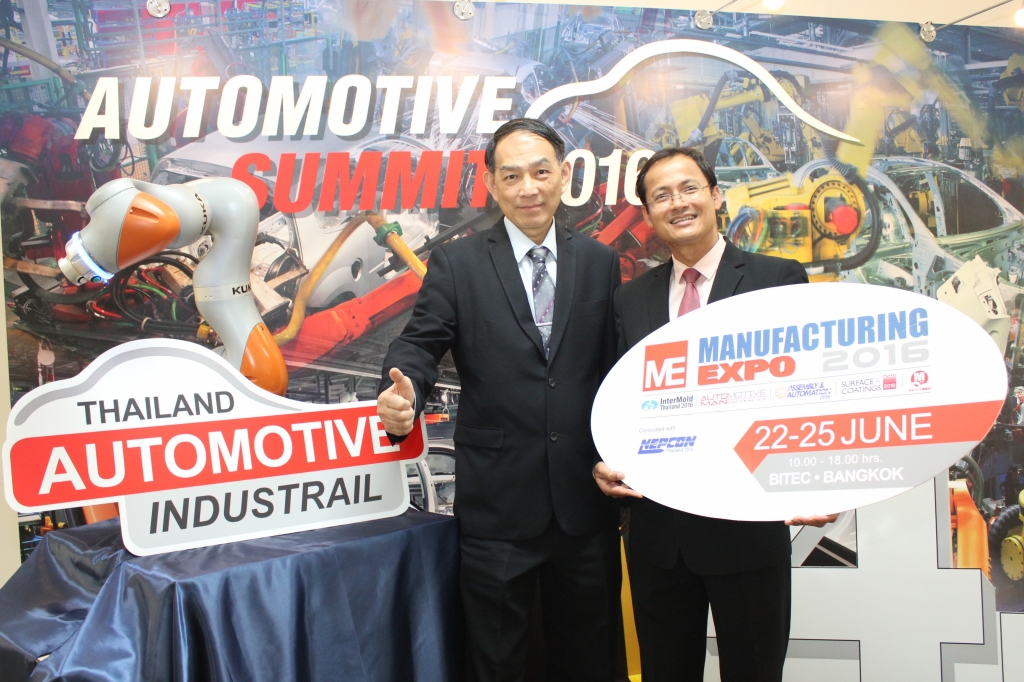
- Attend the annual Automotive Innovation Summit – A networking hub where policymakers, engineers, and investors converge.
Each pathway offers a blend of practical resources and strategic insight, making it easier to navigate the complexities of modern vehicle development.
Bottom line
Thailand’s Automotive Institute may not have the brand recognition of a multinational OEM, but its influence ripples through every stage of the country’s car industry. From shaping policy and certifying safety to training the next generation of engineers, TAI is a quiet catalyst that keeps Thailand on the fast lane of automotive innovation. Whether you’re an investor eyeing Southeast Asia, a supplier seeking new markets, or a student dreaming of designing the next electric sedan, the institute is worth a closer look.