Inside the Corporate Legal Department: Key Roles Explained
When you glance at a company’s annual report, the glossy financial charts often steal the spotlight. Yet behind every strategic move, there’s a team quietly ensuring the business stays on the right side of the law. That team is the corporate legal department, and its responsibilities stretch far beyond drafting contracts. Understanding what this department does can demystify how corporations navigate risk, compliance, and growth.
Why Companies Need a Corporate Legal Department
At its core, a corporate legal department acts as the organization’s internal counsel. Unlike outside law firms that bill by the hour, an in‑house team is embedded in daily operations, offering real‑time advice that aligns legal considerations with business objectives. This proximity allows the department to:
- Identify and mitigate legal risks before they become costly disputes.
- Interpret regulatory changes that could impact product launches or market entry.
- Support executive decisions with a clear view of legal constraints and opportunities.
In short, the department helps the company move faster while staying compliant—a balancing act that’s essential for long‑term sustainability.
Core Functions of a Corporate Legal Department
The day‑to‑day work can be surprisingly varied. While the exact mix depends on the industry, most departments handle a handful of core areas:
- Contract Management: Drafting, reviewing, and negotiating everything from supplier agreements to licensing deals. A well‑written contract can prevent misunderstandings that later spiral into litigation.
- Corporate Governance: Advising the board of directors, preparing minutes, and ensuring that shareholder rights are respected. This also involves overseeing compliance with securities regulations for publicly listed firms.
- Regulatory Compliance: Monitoring laws that affect the business—such as data‑privacy rules, environmental standards, or industry‑specific licensing requirements—and implementing internal policies to meet them.
- Litigation Oversight: Managing disputes, whether the company is suing or being sued. The in‑house team often coordinates with external counsel, setting strategy and controlling costs.
- Intellectual Property (IP) Management: Protecting patents, trademarks, and trade secrets, and handling licensing arrangements that can be a major revenue source.
- Employment Law: Guiding HR on issues ranging from hiring practices to employee termination, ensuring that workplace policies comply with local labor statutes.
How the Department Interacts with Other Units
Legal isn’t a silo; it’s a hub that touches nearly every function. For example, when marketing rolls out a new ad campaign, the legal team reviews copy for false‑advertising claims. During product development, engineers rely on IP counsel to safeguard innovations. Even finance leans on legal for due‑diligence when evaluating mergers or acquisitions. These collaborations usually happen through regular meetings, shared project management tools, and—sometimes—quick email check‑ins that prevent larger problems down the line.
Typical Team Structure
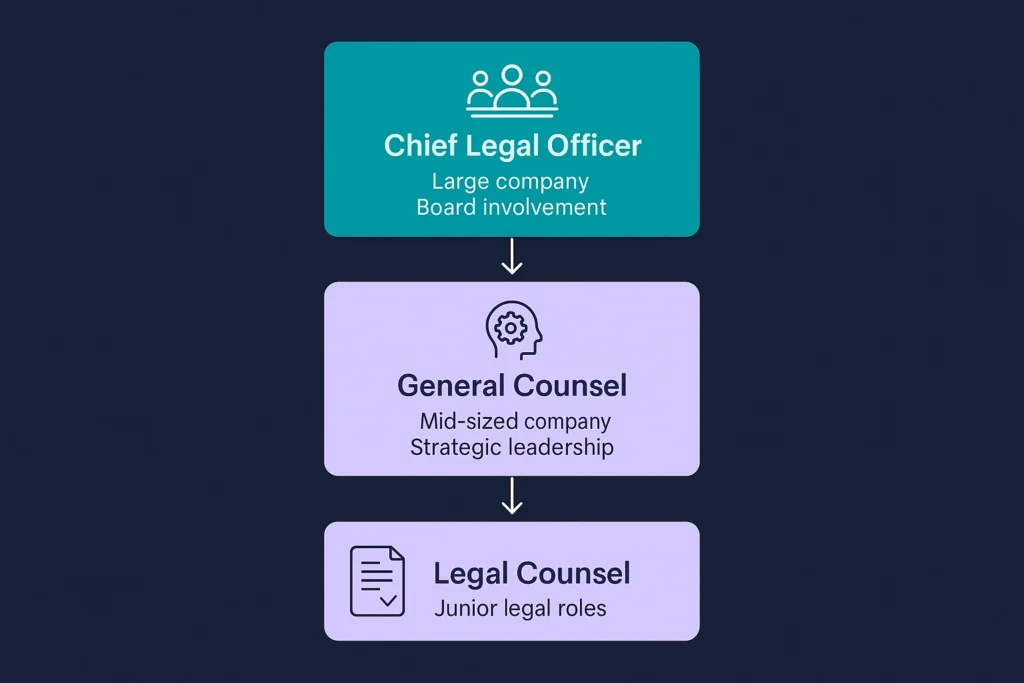
While sizes vary, a typical corporate legal department includes:
- General Counsel (GC): The senior lawyer who reports directly to the CEO or board, shaping overall legal strategy.
- Deputy or Associate General Counsel: Handles specific practice areas, such as contracts or compliance.
- Specialists: Lawyers focused on particular domains—e.g., labor law, antitrust, or environmental regulation.
- Paralegals and Legal Operations staff: They manage document flow, e‑discovery, and the department’s technology stack, keeping the team efficient.
In many firms, especially startups, the team may be lean, with each lawyer wearing multiple hats. Larger corporations often have dedicated sub‑departments, each led by a senior attorney.
Emerging Challenges and Trends
Legal departments aren’t static; they evolve with the business landscape. A few current trends include:
- Automation and AI: Contract‑review tools can flag risky clauses in seconds, freeing lawyers to focus on strategy rather than rote checks.
- Data‑Privacy Regulations: Laws such as GDPR and CCPA have turned privacy into a full‑time function, requiring continuous monitoring and employee training.
- ESG (Environmental, Social, Governance) pressures: Companies now need legal guidance on sustainability reporting and socially responsible investing.
- Remote Work Policies: The shift to hybrid workplaces raises new questions about jurisdiction, employee monitoring, and occupational health.
Adapting to these changes often means the department must partner closely with IT, risk management, and even marketing to create cross‑functional solutions.
FAQ
What’s the difference between in‑house counsel and outside lawyers?
In‑house counsel works within the company, offering day‑to‑day guidance tailored to its specific needs, while outside lawyers are hired for specialized projects or litigation and typically charge by the hour.
Do all companies need a full‑time legal department?
Not necessarily. Small businesses may rely on a single general counsel or outsource most tasks. As a company scales, the cost‑benefit analysis usually tips in favor of a dedicated team.
How does the corporate legal department help with mergers and acquisitions?
The department conducts due‑diligence, drafts transaction documents, coordinates with antitrust regulators, and ensures that post‑deal integration respects contractual and compliance obligations.
Can legal departments influence company strategy?
Absolutely. By assessing legal risks and opportunities early, the department can shape product roadmaps, market entry plans, and even pricing strategies to avoid costly pitfalls.