Inside the Goiânia Accident: Brazil’s Worst Radiation Disaster
What sparked the Goiânia incident?
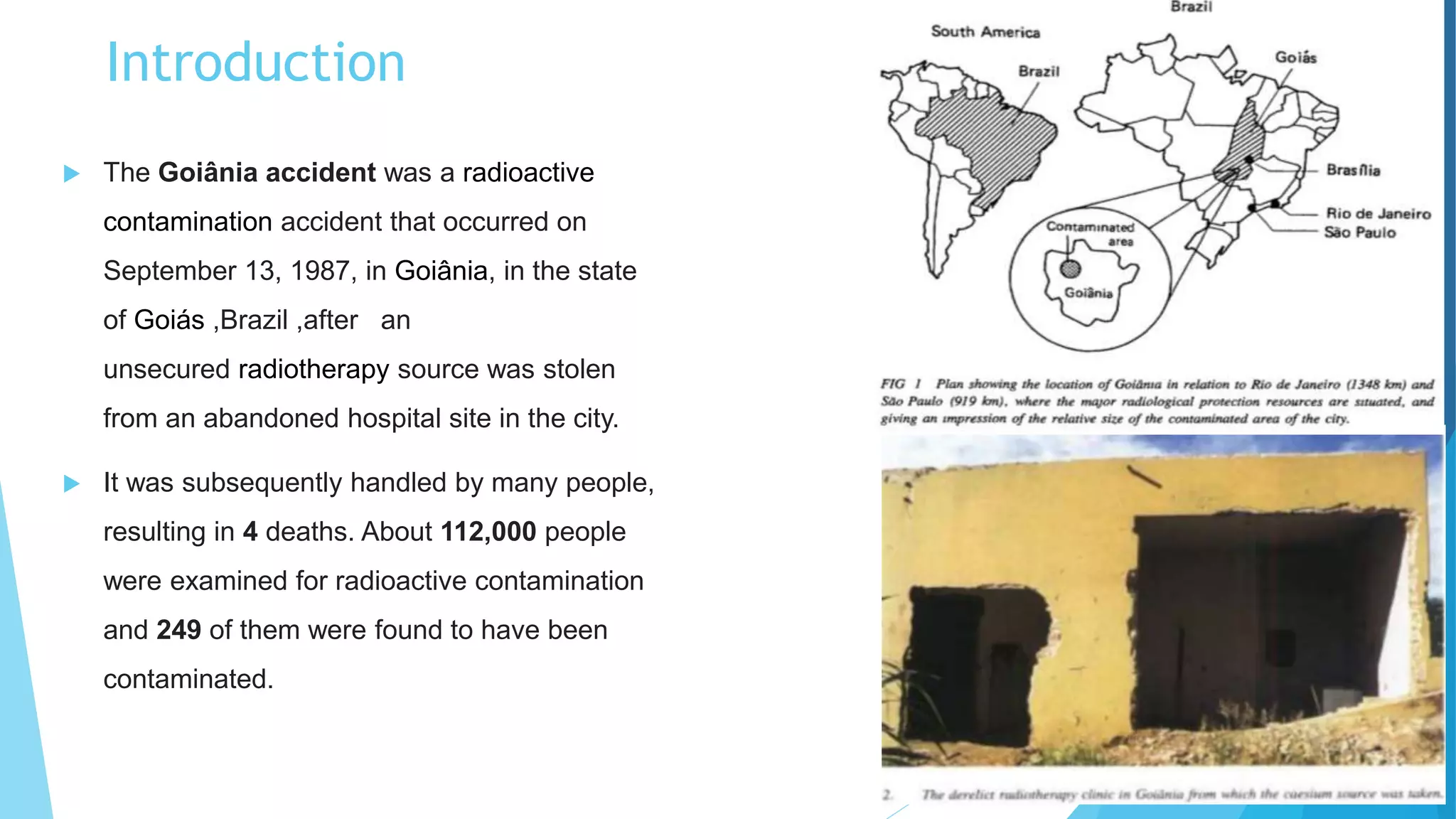
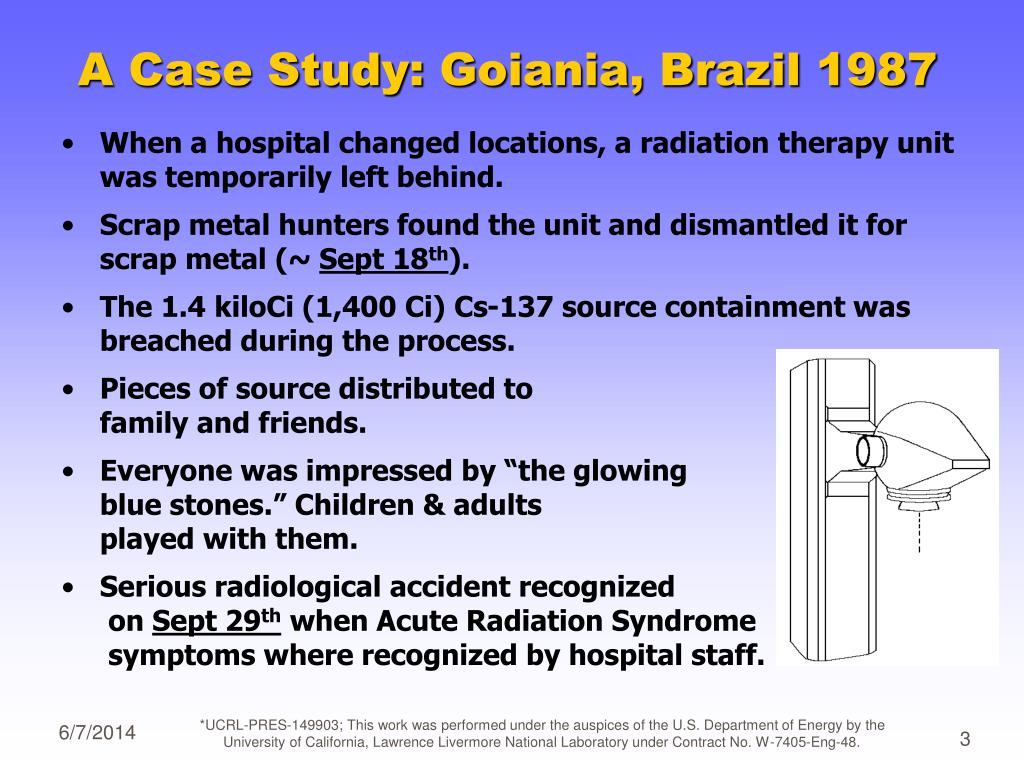
In September 1987 a handful of scrap‑metal workers in Goiânia, the capital of Brazil’s Goiás state, stumbled upon a glowing, violet‑hued object in an abandoned clinic. Unaware that the metal drum they opened contained a highly radioactive source—cesium‑137 from a teletherapy unit— they took pieces home as curiosities. Within days the eerie glow attracted neighbors, schoolchildren, and even tourists, turning a quiet suburb into an accidental hotspot of ionizing radiation.
The source had been left behind after the clinic was abandoned in the early 1980s. When the steel shielding was breached, the cesium‑137 salt inside dissolved into a powder that clung to skin, clothing, and household objects, spreading contamination far beyond the original site.
How the radiation spread through the community
Cesium‑137 emits both beta particles and penetrating gamma rays. The powder, known as cesium chloride, is water‑soluble, meaning it can easily be transferred by sweat, tears, or simple handling. Families who unknowingly washed contaminated clothing released the radionuclide into sinks, bathtubs, and even the municipal water supply. The contamination cascade looked something like this:
- Scrap‑metal workers took the glowing material home.
- Children played with the luminous pieces, pressing them against skin.
- Neighbors exchanged “glowing” souvenirs, spreading the powder to dozens of households.
- Local authorities, initially skeptical, delayed quarantine measures, allowing further exposure.
Within a week, over 250 people showed signs of radiation sickness—nausea, vomiting, and skin burns—while dozens more were later found to have absorbed dangerous doses.
The medical and environmental toll
Doctors at the Hospital de Urgências de Goiânia were overwhelmed by patients presenting with unexplained symptoms. Blood tests revealed elevated levels of radioactivity, prompting a frantic search for the source. In total, four people died from acute radiation syndrome, and an estimated 100,000 individuals were screened for contamination.
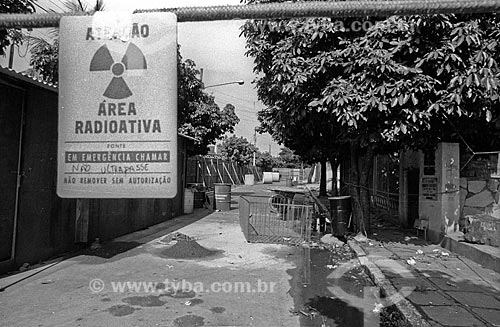
Environmental cleanup proved daunting. The contaminated zone covered roughly 2.5 km², encompassing homes, schools, a market, and even a public park. Authorities demolished 112 houses, incinerated contaminated furniture, and buried over 250 tons of radioactive waste in a specially designed pit 10 meters deep, lined with concrete and steel to prevent leaching.
Government response and international aid
Brazil’s Ministry of Health, initially slow to recognize the crisis, eventually enlisted the help of the International Atomic Energy Agency (IAEA). The IAEA dispatched a rapid‑response team that provided dosimetry equipment, training for local decontamination crews, and guidance on safe waste handling. Their involvement accelerated the containment process and introduced protocols still used in Brazil today.
One of the most significant policy shifts after the incident was the establishment of the National Nuclear Emergency System (SISNE). This framework mandates immediate notification, coordinated evacuation, and transparent communication whenever a radiological event occurs, aiming to avoid the secrecy and delays that plagued the Goiânia response.
Long‑term health monitoring
Even after the physical cleanup, the psychological and physiological aftermath lingered. Survivors were enrolled in a 30‑year health‑monitoring program that tracks thyroid function, cancer incidence, and mental health outcomes. Preliminary studies suggest a modest increase in leukemia cases among those who received the highest doses, but the data remain inconclusive due to the relatively small exposed cohort.
Psychologically, the community grappled with stigma. Residents of the “contaminated zone” faced discrimination when seeking employment or housing outside Goiânia. Public education campaigns later emphasized that, once decontaminated, the area posed no ongoing radiological risk—a message that helped gradually restore trust.
Lessons for the modern world
The Goiânia incident underscores several enduring truths about radiation safety:
- Secure storage matters. Even abandoned medical equipment can become a lethal hazard if left unguarded.
- Public awareness saves lives. Clear, jargon‑free warnings about unusual phenomena—like glowing objects—can prevent panic‑driven curiosity from turning deadly.
- Rapid, transparent response is crucial. Delays in acknowledging the danger allowed the contamination to spread exponentially.
Today, many countries have tightened regulations on orphan sources—radioactive materials without a known owner—and instituted mandatory tracking systems. The Goiânia tragedy remains a cautionary tale for hospitals, waste‑management firms, and scrap dealers alike.
FAQ
What exactly is cesium‑137?
Cesium‑137 is a by‑product of nuclear fission, used in medical radiotherapy and industrial gauges. Its half‑life of about 30 years means it remains hazardous for generations if not properly contained.
Could a similar incident happen today?
While stricter regulations reduce the risk, orphan sources still surface occasionally. Vigilance, proper labeling, and swift reporting are essential to avoid repeats.
How was the waste from Goiânia finally disposed of?
The radioactive debris was compacted, sealed in steel drums, and buried in a dedicated low‑level waste repository built to international safety standards.